5 hr
Dachau Memorial Site Half-Day Tour from Munich
- Expert local guide
- Small group
- Skip-the-line access
- Free cancellation
Dachau Concentration Camp Memorial Site — Guided Tours in English
Witness history where silence speaks, guided by those who preserve its truth
Compare fares, pick the fit — all bookings are mobile-voucher and eligible for free cancellation where shown.
5 hr
5 hr
6 hr
Visitors planning their trip should consider whether to explore independently or join the official dachau concentration camp tours english program for a more structured experience. These educational offerings provide deep historical context for those visiting the memorial site.
| Independent Visit Self-Guided Exploration |
Top pick Guided Education Licensed Memorial Tour |
|
|---|---|---|
| Entrance Fee | 0 EUR | 4.00 EUR |
| Access Method | Walk-up (No booking) | First-come (Visitors Center) |
| Availability | Daily 09:00–17:00 | 11:00 and 13:00 (Daily) |
| Included Areas | Memorial grounds and exhibits | Exhibits and historical buildings |
| Best for | Flexible personal pace | Deeper historical context and insight |
| See tickets & prices |
Verdict: For the best educational experience, we suggest securing dachau concentration camp tours english tickets at the visitor center at least 45 minutes before the start time.
Worth it for guided context and transport
Dachau concentration camp tours english offer structured access to one of history's most significant memorial sites, and entry to the memorial itself remains free. The value lies in what guided tours add: expert historical narration, round-trip transport from Munich (roughly 45 minutes each way by public transit otherwise), and focused interpretation of exhibits spread across the 15-acre site. Half-day tours from Munich typically run 5 hours including travel, while full-day options pair the memorial with Nazi-era sites in the city. English-language guided tours suit visitors who want historical depth without navigating alone—the memorial's exhibits are extensive, and a guide clarifies connections between barracks, crematorium, and archival displays. Skip the tour if you're comfortable with self-guided exploration using the memorial's audio guide, though transport and context remain the core trade-off.
Bottom line: The guided Dachau concentration camp tour is worth it if you value expert interpretation and hassle-free transport, though self-guided visits using the site's resources work well for independent travelers.
The Memorial Site offers a somber, self-guided historical reflection, while Munich city walking tours provide broader context on the regional significance of Third Reich landmarks. They serve different purposes, as many visitors choose dachau concentration camp tours english for historical depth and a city walk for cultural orientation.
|
Top pick Dachau Memorial |
Munich City Walk | |
|---|---|---|
| Focus | Holocaust remembrance and memorial education | |
| Entry Cost | 0 EUR for individual visitors | |
| Guided Option | dachau concentration camp tours english tour available | |
| Transport | S-Bahn and bus connection | |
| Typical Duration | 3–4 hours | |
| Atmosphere | Somber and quiet | |
| See tickets & prices |
Verdict: Choose the memorial for a dedicated historical focus, or select the city tour if you prefer dachau concentration camp tours english tickets to be part of a wider, less intense narrative about Bavarian landmarks.
Hand-picked experiences loved by thousands of travelers
6 hours
Free Cancellation
Beat the crowds with an 8:30 AM departure to Dachau, led by a memorial-certified guide through history and reflection
8 hours
Free Cancellation
Explore Dachau memorial site and Munich's WWII landmarks with a licensed guide on this sobering 8-hour journey
6 hours
Free Cancellation
Journey to the first Nazi concentration camp with a dedicated historian and private transport.
5 hours
Free Cancellation
Journey by train to the Dachau memorial with an official guide for a deeply moving historical experience
5 hours
Free Cancellation
Visit the first Nazi concentration camp with an expert guide and learn about its harrowing history
1-5 days
Free Cancellation
Get unlimited public transit plus savings at 100+ museums, tours and attractions across Munich
You board a coach in central Munich for the twenty-five kilometer drive north through suburban landscapes that once carried daily transports.
Your guide begins contextualizing the camp's founding during your approach, explaining how Dachau's proximity to Munich made it both administratively convenient and symbolically significant for the Nazi regime's early consolidation of power.
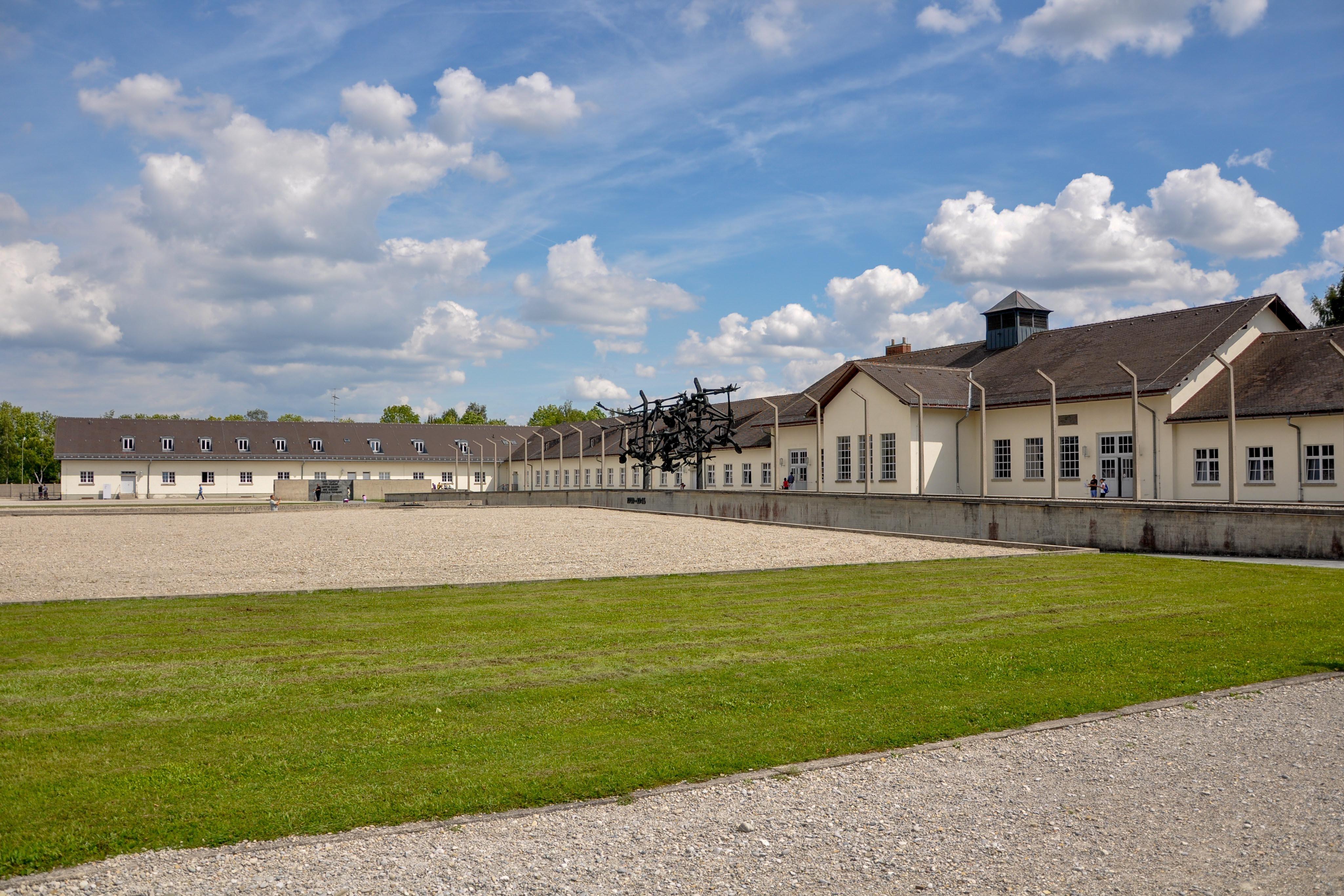
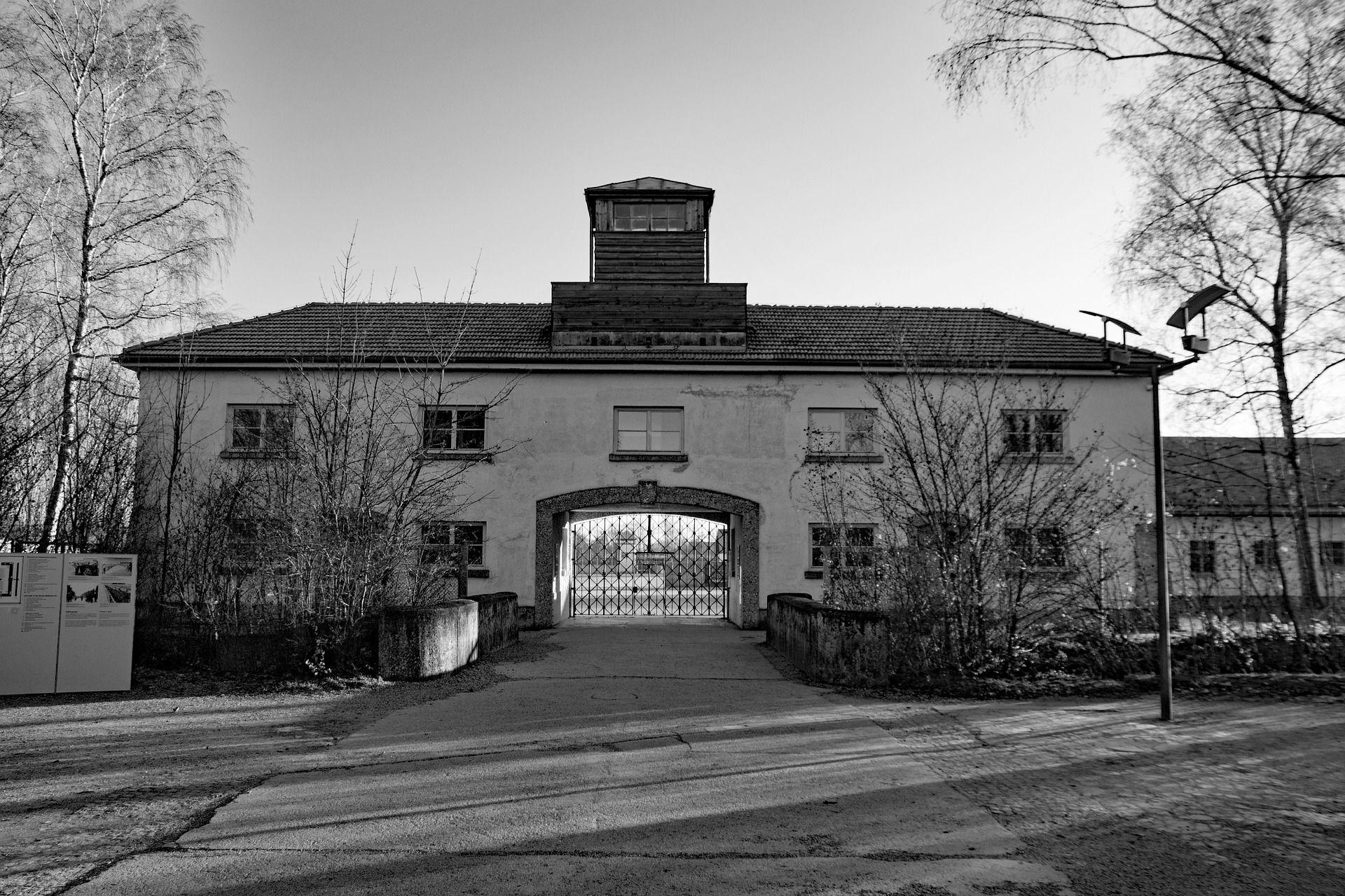
You pass through the gatehouse and stand in the vast gravel expanse of the roll-call square, measuring roughly 300 meters long. Your guide points out the reconstruction of two barracks on the original foundations—wooden structures that once held thirty-four identical buildings. You enter one to see three-tiered sleeping bunks stacked to the ceiling, washrooms designed for fifty men but used by hundreds, and the dayroom where prisoners spent non-working hours under constant surveillance.
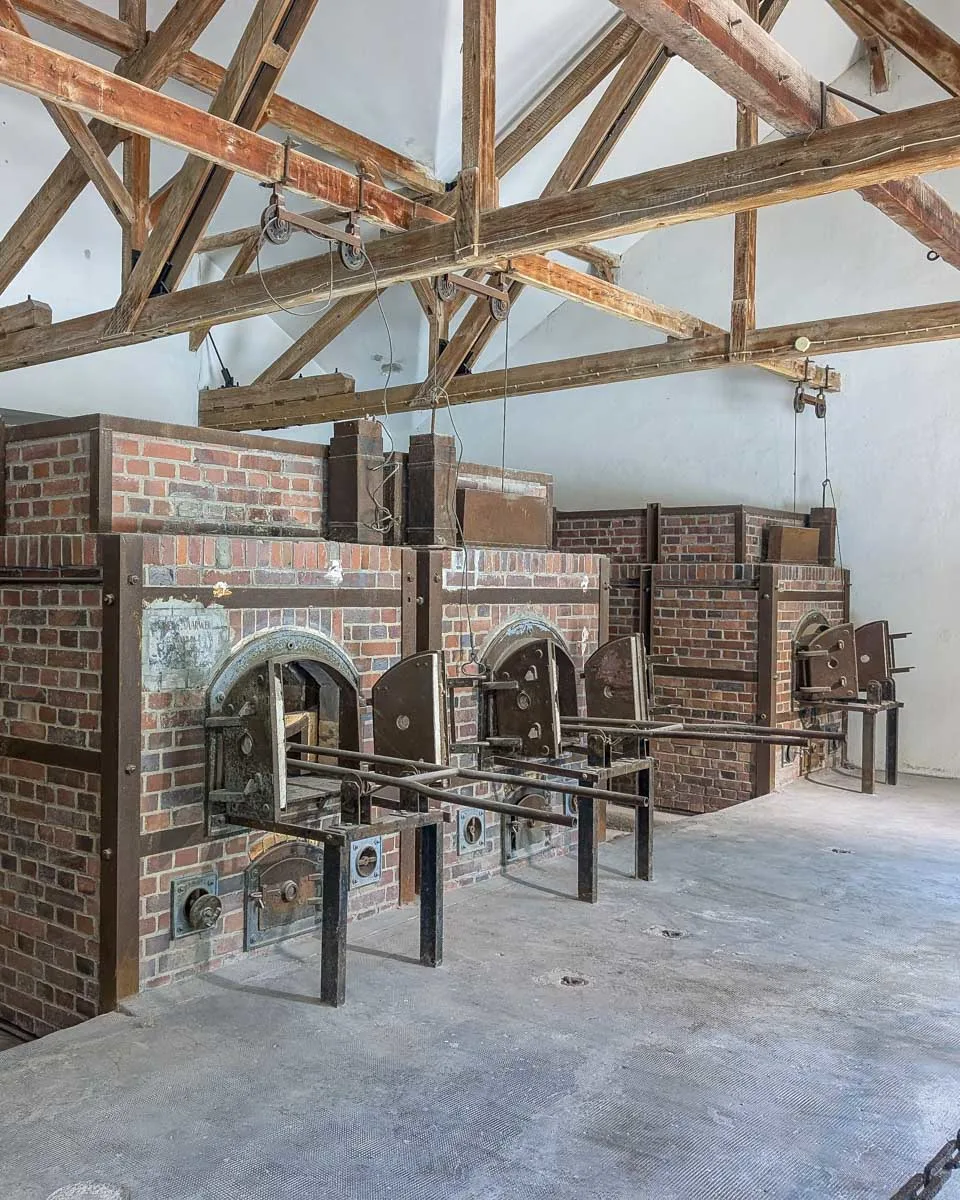
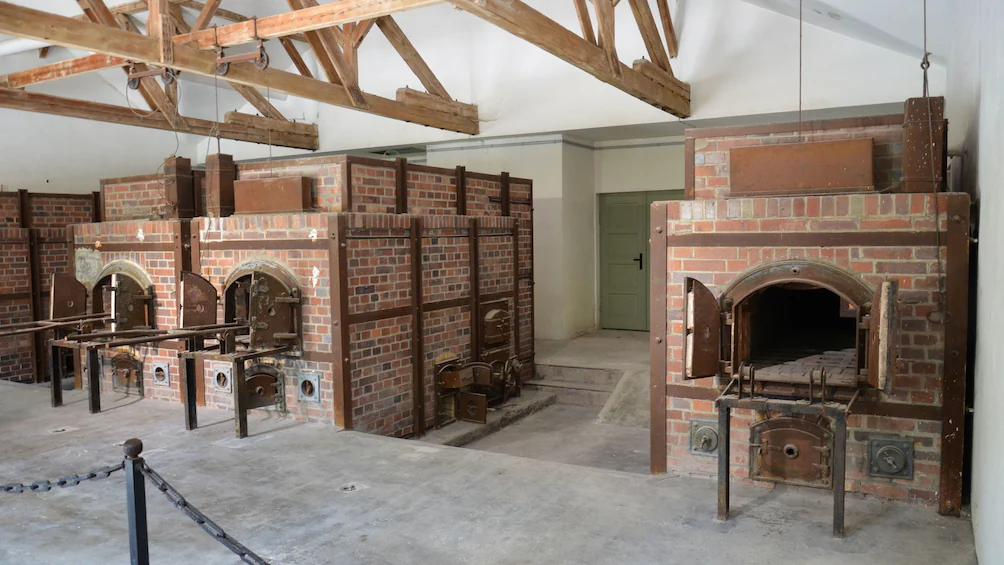
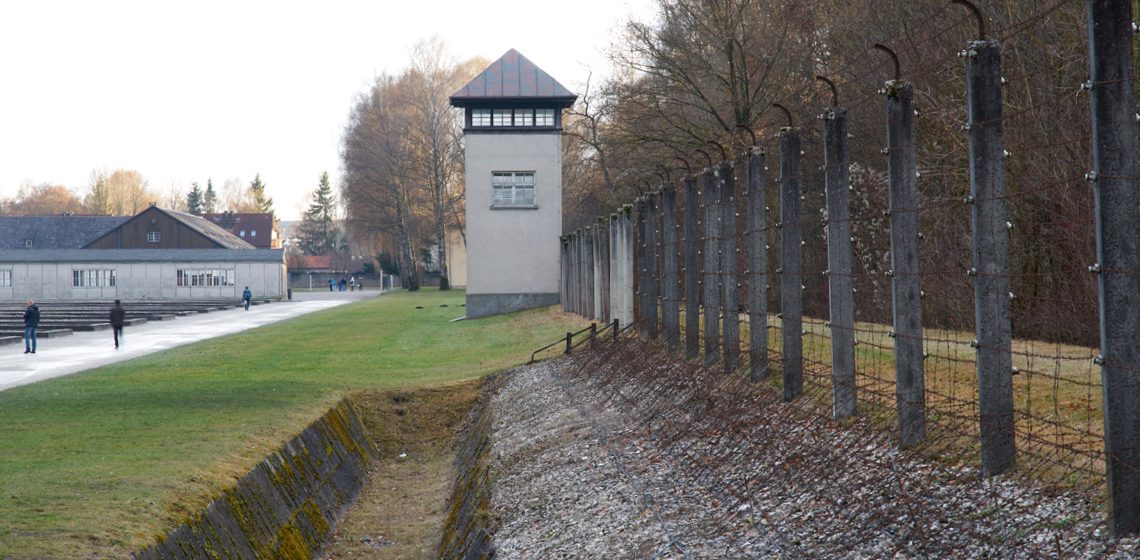
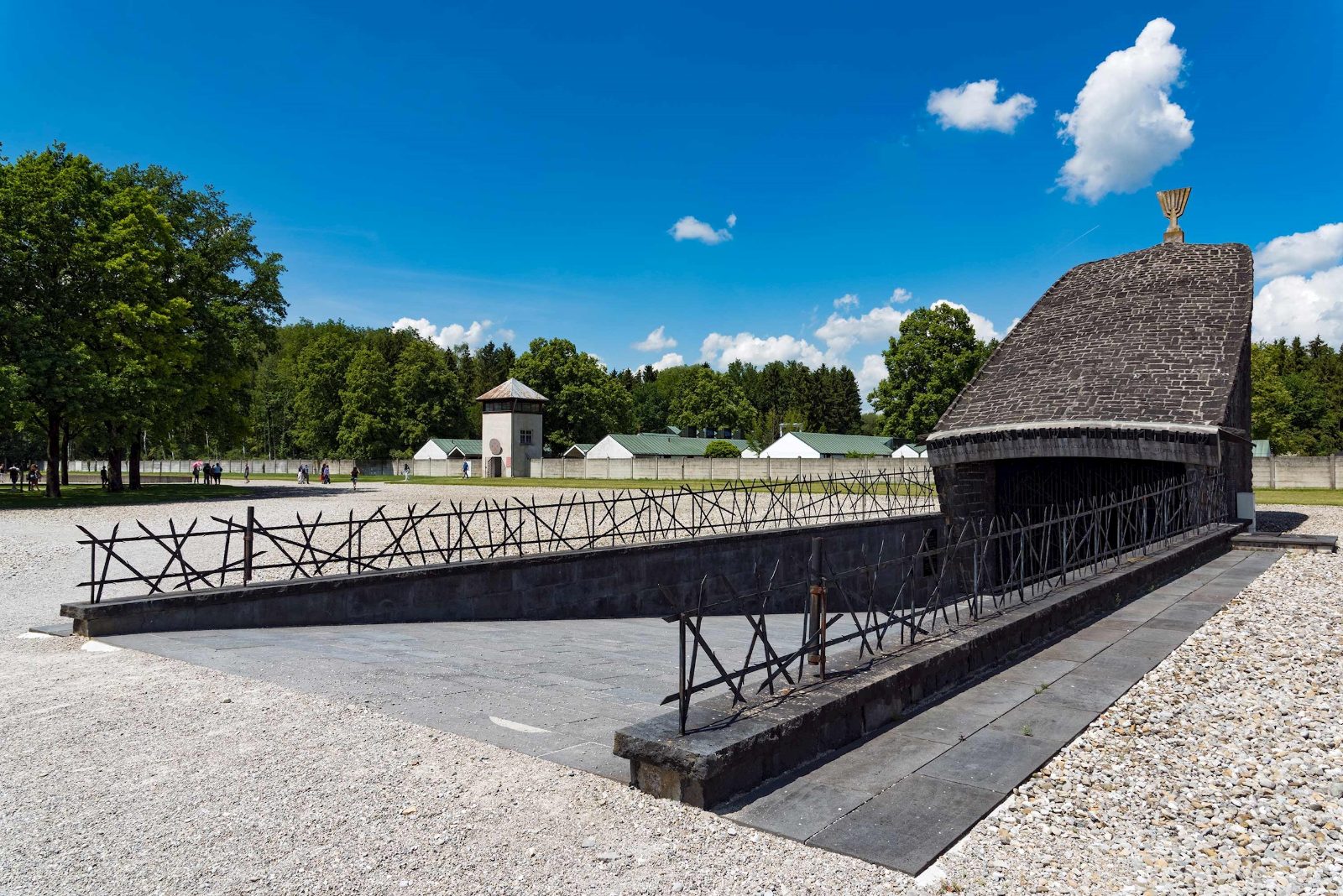
You walk the perimeter path where electrified fences once stood, pausing at the bunker—the camp prison within the prison—where resisters and special prisoners faced enhanced brutality. The crematorium lies at the far end of the site. Your guide explains the progression from the original 1940 facility to the larger Baracke X, constructed in 1942–43 with a gas chamber that was never activated but represents intent nonetheless. You exit through the international memorial area where five chapels stand in silent testimony to lives lost across faiths and nations.
All the details about your upcoming adventure in one place
The Dachau concentration camp memorial site opened March 22, 1933, twelve years before liberation forces arrived to document what systematic dehumanization looked like in concrete and barbed wire.
It was the first permanent concentration camp in Nazi Germany and served as the administrative model for all camps that followed. More than 200,000 prisoners from across Europe were registered here between 1933 and 1945; at least 41,500 died within its perimeter.
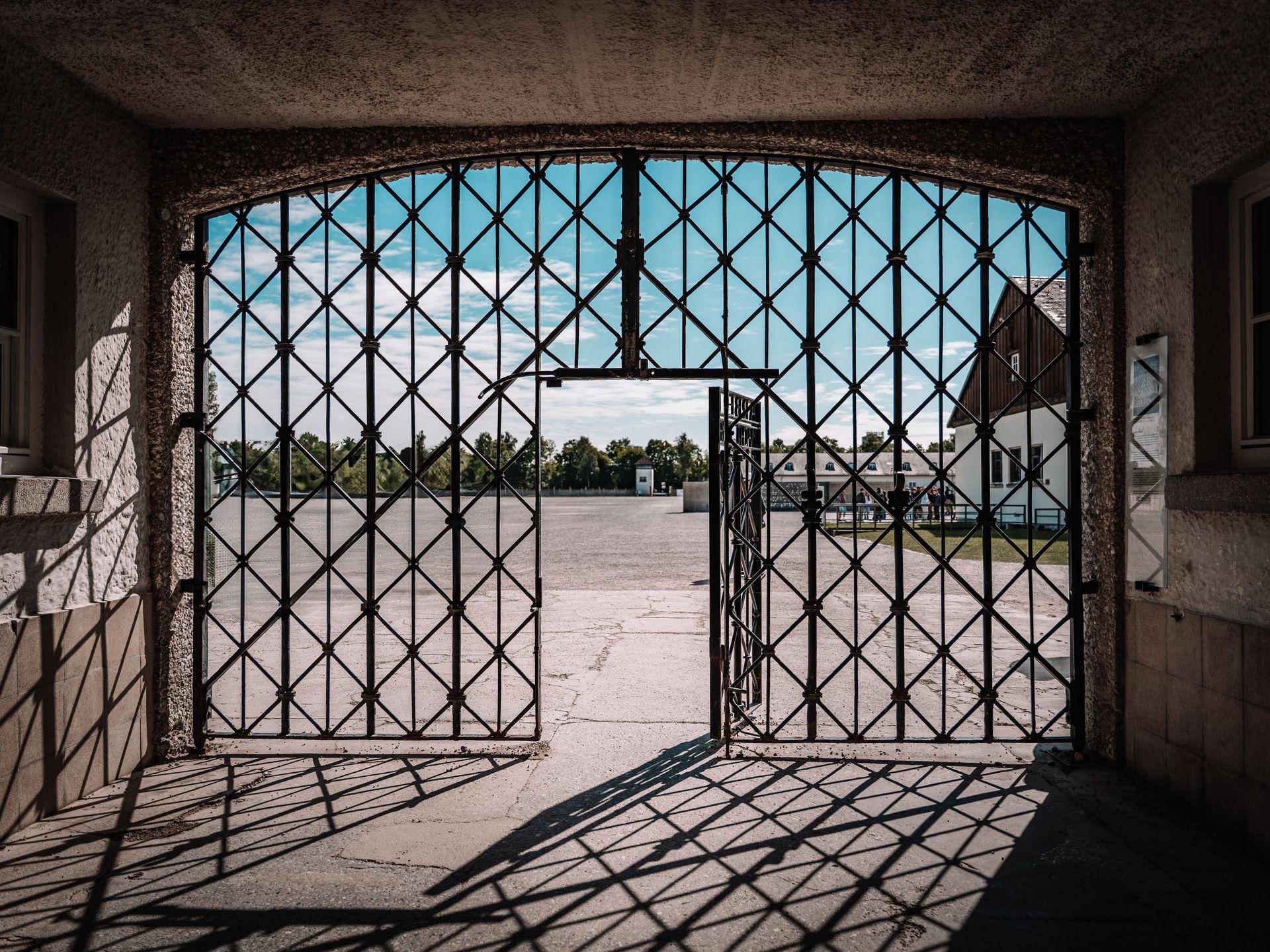
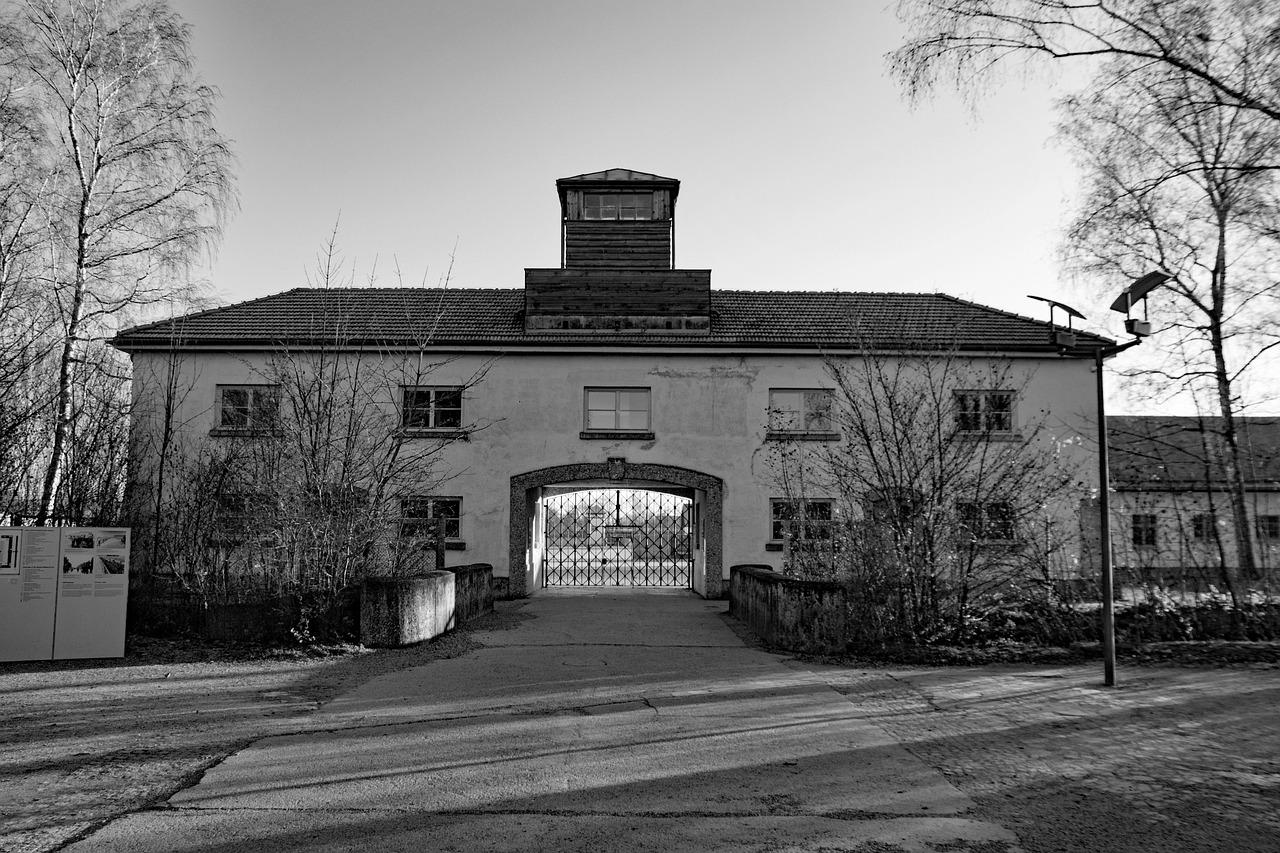
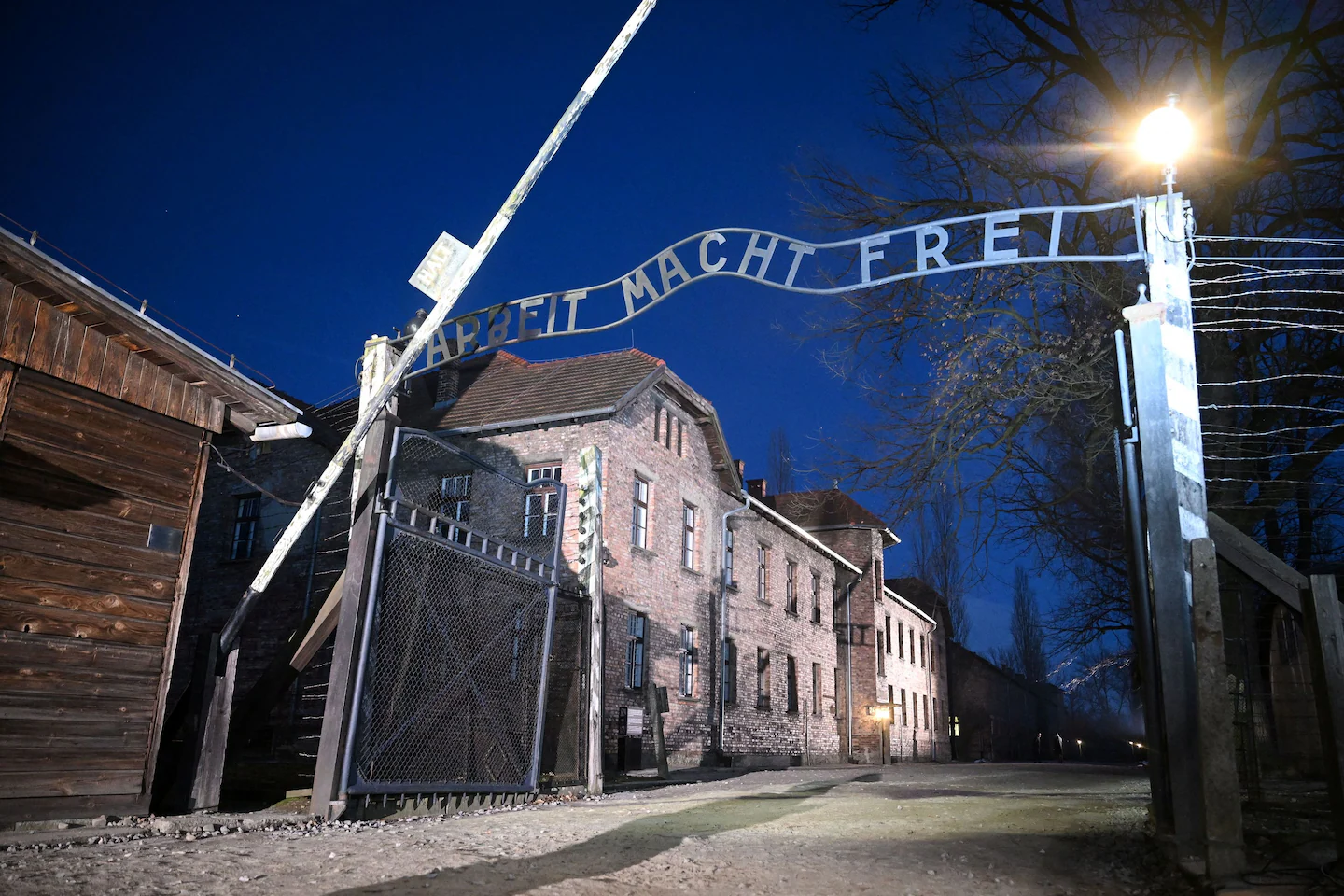
Today the memorial preserves the original gatehouse bearing the cynical inscription "Arbeit macht frei," reconstructed barracks that show the evolution of overcrowding from 200 prisoners per building to over 1,600 by war's end, and the crematorium complex where evidence of mass murder remains undeniable. The exhibition halls document the camp's administrative structure, prisoner categories marked by colored triangles, medical experiments conducted without consent, and the transportation routes that connected Dachau to the wider network of Nazi terror. Photographs, letters, and personal artifacts restore individual identities to thousands reduced to numbers.
English-language guided tours departing from Munich provide historical context that unguided visits cannot replicate. Trained educators explain how a former munitions factory site transformed into an instrument of state terror, how prisoners organized clandestine resistance despite surveillance, and how local populations responded to—or ignored—the camp's existence. The tours include the roll-call square where prisoners stood for hours in formation, the bunker where special prisoners faced solitary confinement and interrogation, and the religious memorials erected by Catholic, Protestant, and Jewish communities in the decades after liberation.
The site operates as both archive and warning. Its educational mission, established in 1965 when Bavaria converted the grounds into a memorial, counters denial and distortion with physical evidence. Visitors walk paths prisoners walked, stand in spaces where systematic cruelty occurred, and confront the bureaucratic records that documented each step. The memorial's library and archive support ongoing research into individual fates and institutional mechanisms, ensuring that dachau concentration camp tours english remain grounded in verified testimony rather than abstraction.

More than 200,000 prisoners from across Europe were registered here between 1933 and 1945.
Please wear respectful clothing appropriate for a memorial site. Clothing or symbols associated with right-wing extremist groups are strictly prohibited.
Luggage storage is extremely limited at the Dachau Concentration Camp Memorial Site, so please do not bring large bags. Never leave luggage unattended on the premises.
Non-commercial photography is permitted for private use in outdoor areas and exhibitions without a tripod. Filming guided tours or staff is prohibited, and drones are strictly forbidden at the Dachau Concentration Camp Memorial Site.
The Dachau Concentration Camp Memorial Site is generally not recommended for children under 13 due to the distressing nature of the exhibitions. Younger children must be accompanied by an adult.
While the Dachau Concentration Camp Memorial Site aims for accessibility, some historical paths are gravel, making movement difficult. Wheelchairs and electric mobile aids are available for loan at the visitor center.
Consumption of food and alcoholic beverages is strictly prohibited on the former camp grounds. Please respect the cemetery-like nature of the site.
Opening Hours
Daily 09:00–17:00
Address
Pater-Roth-Str. 2a, 85221 Dachau, Germany
Accessibility Support
Wheelchairs and electric vehicles available for loan
Best Arrival
09:00–11:00
Luggage
Limited lockers at site; use Munich Station lockers
Navigation
Follow the 'Path of the Prisoners' route
Public transport · 45 min · Varies by ticket
Take the S2 train from Munich to Dachau station, then catch bus 726 directly to the Memorial Site.
Full refund available for cancellations made at least 24 hours before the experience start time. Entry to the Dachau Concentration Camp Memorial Site is 0 EUR for individual visitors.
Recommended time
3-4 hours
Most visitors spend between three and four hours exploring the memorial site to engage with the permanent exhibition and memorial grounds. Arriving during the recommended window allows you to join dachau concentration camp tours english without the intense mid-day congestion. If you plan to attend a guided dachau concentration camp tours english tour, remember to allocate additional time for security checks and transit between the administrative building and the prisoner barracks. Securing dachau concentration camp tours english tickets in advance helps streamline your visit, ensuring you have ample space to reflect on the somber historical artifacts and the former roll call square.
Crowd levels through the day
Weather · crowds · average price — dots go green to amber to red as each metric rises.
Mild temperatures make walking the grounds comfortable; moderate visitor numbers.
Arrive between 09:00–11:00 to avoid the larger crowds that typically gather later in the day when taking dachau concentration camp tours english.
Pater-Roth-Str. 2a, 85221 Dachau
Primary meeting point for Dachau concentration camp tours english visitors.
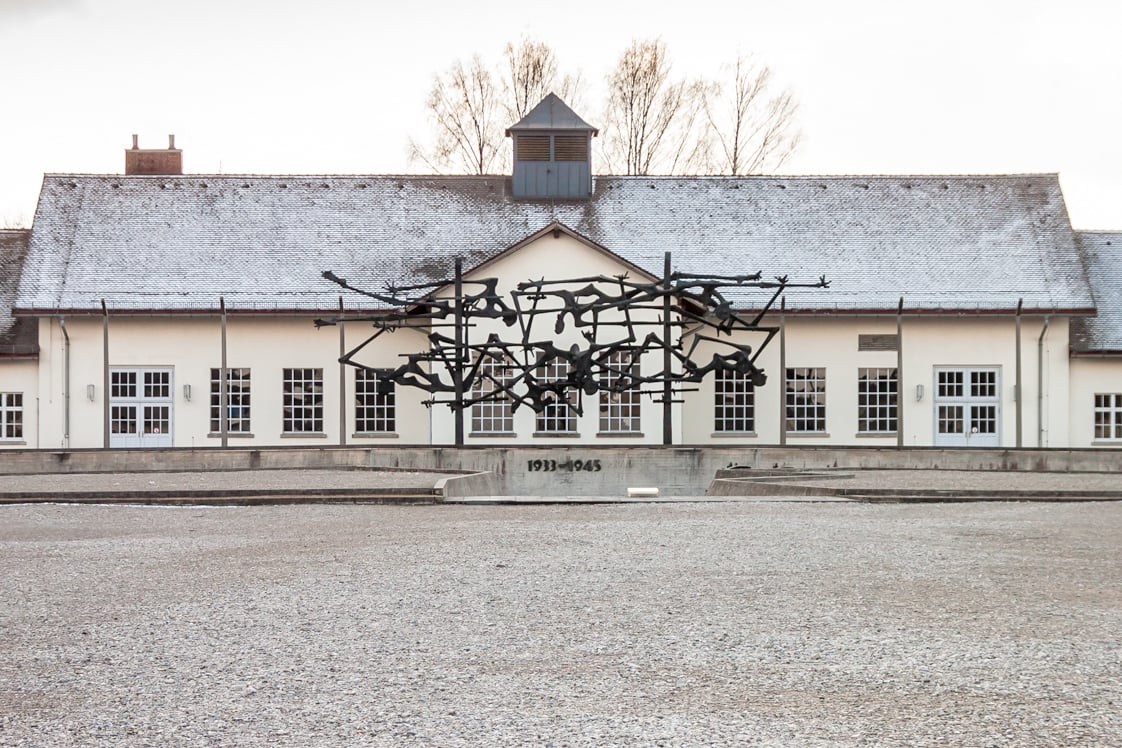
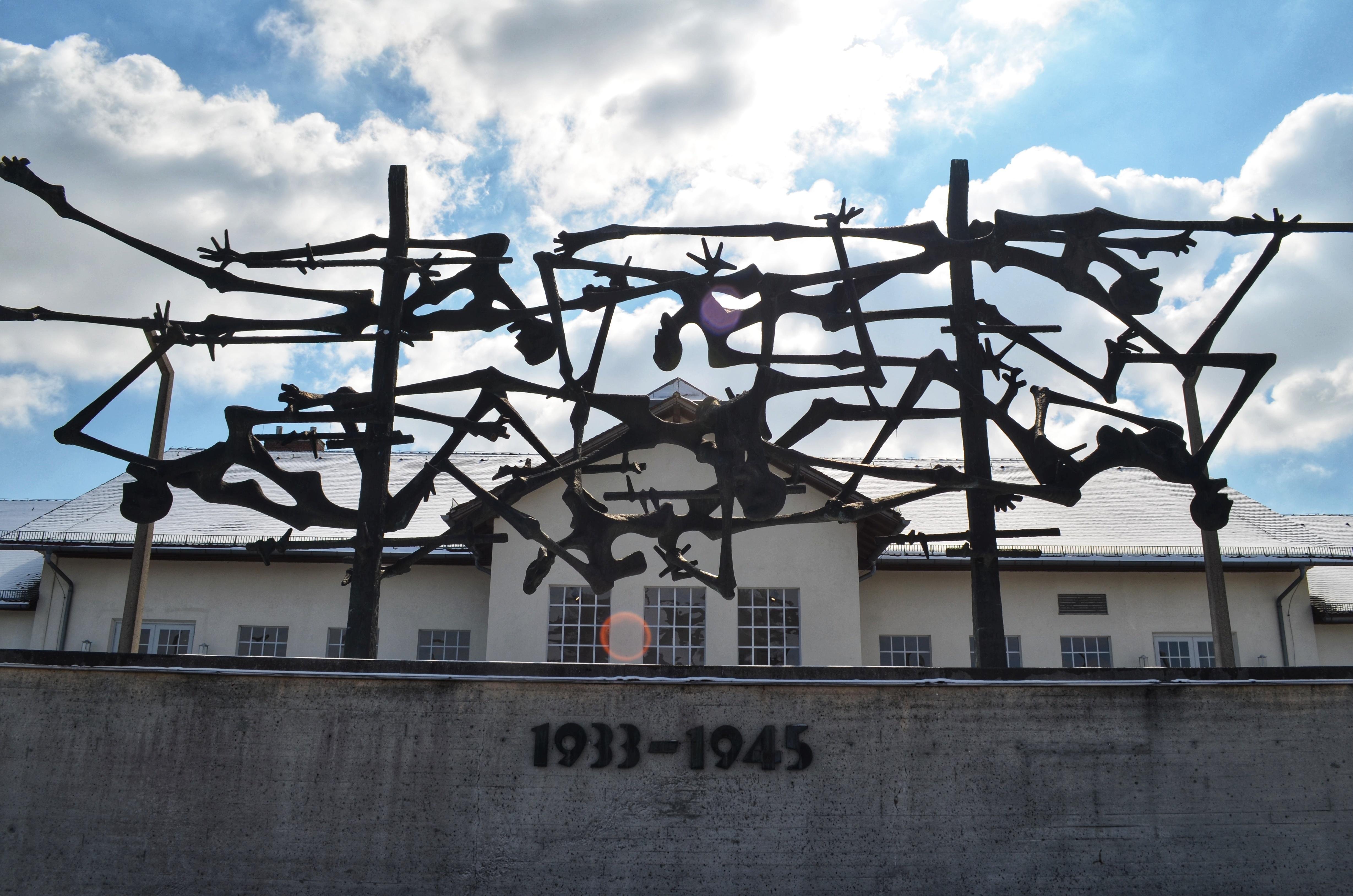
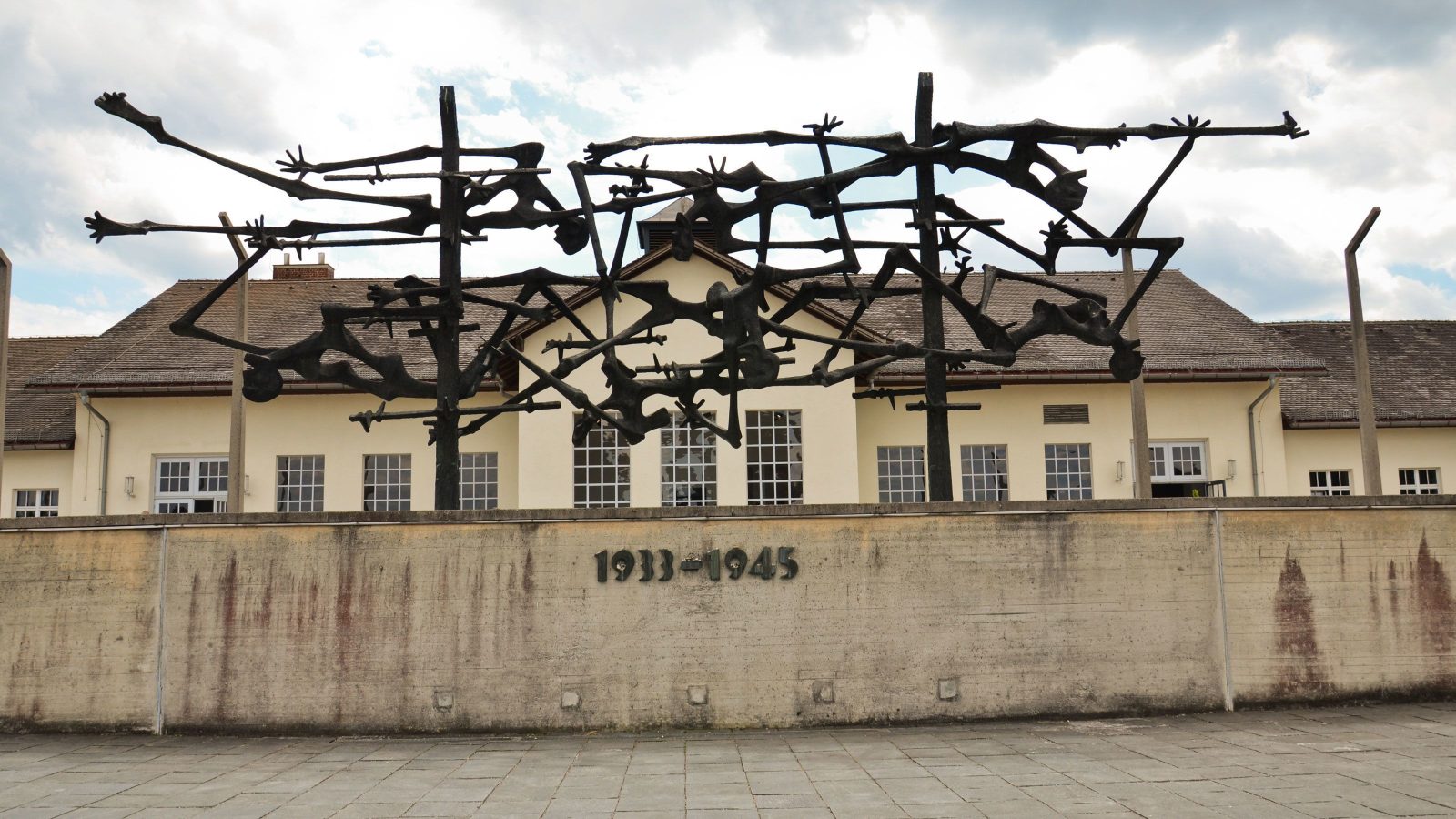
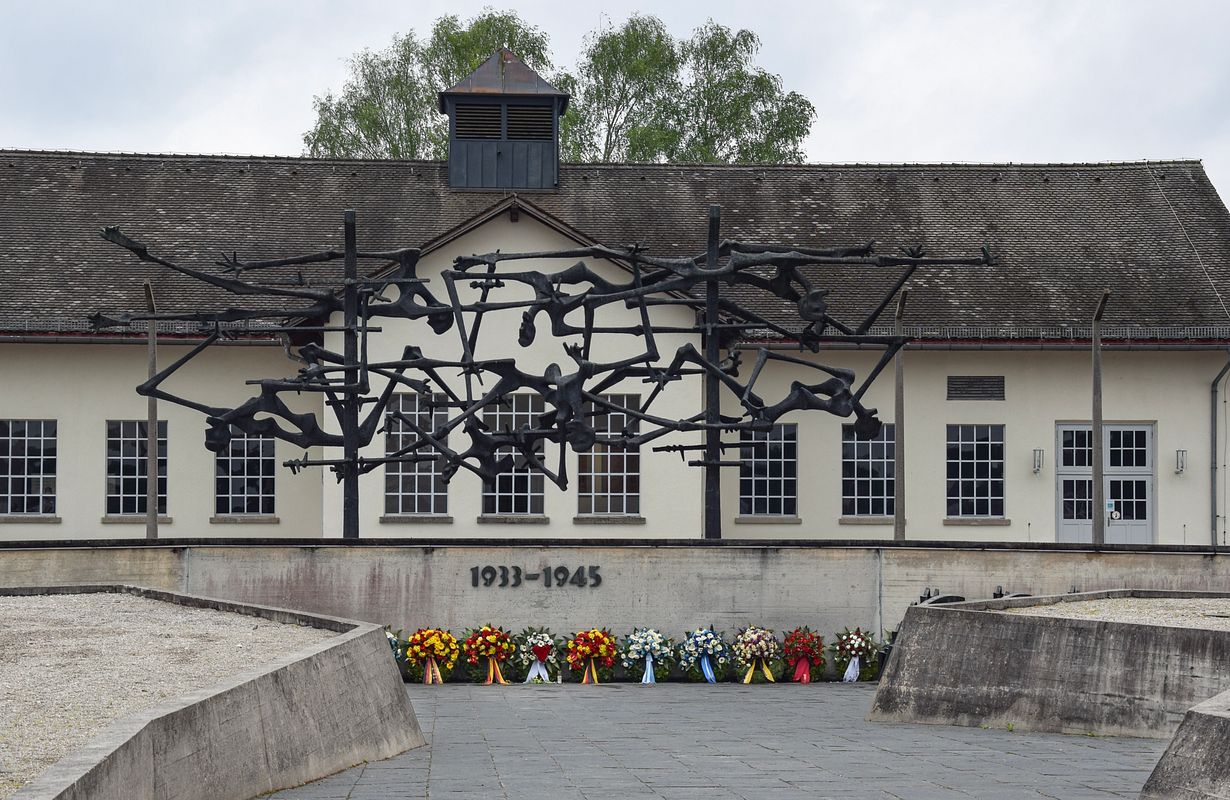
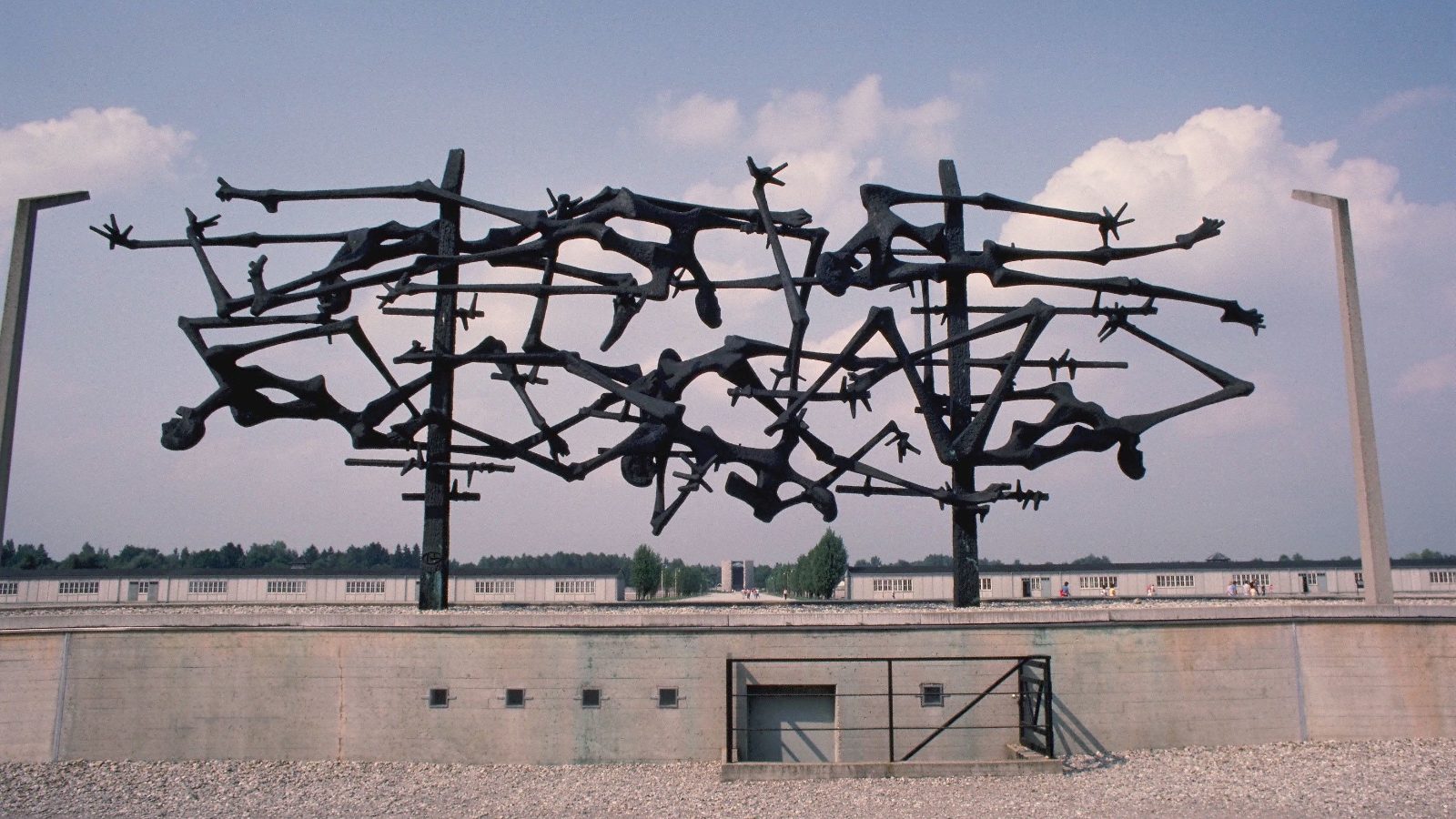
Get directionsOn March 22, 1933, Heinrich Himmler announced the establishment of the first permanent concentration camp in Nazi Germany, built on the grounds of an abandoned munitions factory northwest of Munich. Within weeks, political prisoners—communists, social democrats, trade unionists—arrived at Dachau under the command of SS-Oberführer Hilmar Wäckerle. Theodor Eicke replaced him in June and codified a brutal disciplinary system that became the template for all camps in the Reich. Eicke's regulations institutionalized arbitrary punishment, forced labor, and a hierarchy of prisoner categories marked by colored triangles. By 1937, the SS demolished the original structures and rebuilt the camp on a geometric plan: two rows of barracks, a central roll-call square, and administrative buildings that survive today. During the war, Dachau expanded into a network of over 100 subcamps supplying forced labor to armaments factories across Bavaria. The prisoner population swelled from fewer than 5,000 in 1939 to more than 30,000 by liberation, held in barracks designed for 6,000. Medical experiments on hypothermia, malaria, and high-altitude tolerance killed hundreds. Transports from evacuated eastern camps arrived in the final months, overwhelming the camp's capacity and accelerating the typhus epidemic. American forces of the 42nd and 45th Infantry Divisions liberated Dachau on April 29, 1945, finding more than 2,000 bodies in rail cars outside the gates. For dachau concentration camp tours english, the site's transformation into a memorial began in 1965 after survivor groups pressured Bavarian authorities to preserve the grounds. The museum opened in 1968, and the reconstructed barracks and crematorium offer direct evidence of the camp's operations. English-language dachau concentration camp tours english tours interpret the layout, the prisoner registration process, and the evolution of SS terror tactics. The International Monument, designed by Nandor Glid and unveiled in 1968, stands at the far end of the roll-call square as a counterpoint to the gate inscription *Arbeit macht frei*.
Himmler establishes Dachau as the first permanent concentration camp in Nazi Germany, initially for political prisoners.
Theodor Eicke becomes commandant and institutes the disciplinary code that becomes the model for all SS camps.
The SS rebuilds the camp on a strict geometric plan with two rows of barracks and a central roll-call square.
Dachau expands into a network of over 100 subcamps, and the prisoner population exceeds 30,000 by the final months of the war.
American troops liberate the camp, discovering more than 2,000 bodies in rail cars and thousands of survivors suffering from typhus.
Survivor organizations and the Bavarian government agree to preserve the site and establish a permanent memorial.
The Dachau Concentration Camp Memorial Site opens to the public with a museum and reconstructed barracks.
Stand directly in front of the wrought-iron gate at the entrance to the prison compound to capture the iconic lettering. This perspective provides a somber framing of the camp's threshold while guests participate in dachau concentration camp tours english.
Position your camera at the edge of the large gravel roll call square to document the vast scale of the grounds. This location is often included in a typical dachau concentration camp tours english tour and offers a view toward the former maintenance building.
Capture the exterior of the barracks and the memorial structures near the gas chamber entrance with a respectful, steady hand. Please be mindful of the solemn nature of this space when framing your images for your personal dachau concentration camp tours english tickets collection.
Frame the abstract bronze sculpture against the backdrop of the reconstructed barracks to show the contrast between remembrance and the site of history. Standing back allows you to include the surrounding poplar trees.
Visiting the memorial with children requires careful preparation due to the solemn nature of dachau concentration camp tours english. This site is primarily a place of remembrance and learning, necessitating a thoughtful approach for younger visitors.
The memorial site recommends the exhibition for visitors aged 13 and older, as the subject matter regarding the Holocaust is complex and emotionally challenging. Parents should assess their child's maturity before booking dachau concentration camp tours english tours.
The grounds are largely flat and paved, making them accessible for strollers, although some historical areas may have uneven surfaces. Using a sturdy stroller or carrier is helpful for navigating the memorial effectively during your dachau concentration camp tours english tour.
Restrooms at the visitor center are equipped with baby-change facilities for those visiting with infants or toddlers. These amenities ensure that basic logistical needs can be met while participating in organized dachau concentration camp tours english tickets.
The site covers a large area, so it is important to plan for frequent breaks to process the heavy historical content. Since individual visitors enjoy 0 EUR entry, families can customize their pace to ensure a manageable experience.
Much of the memorial site is outdoors, meaning inclement weather can impact the experience significantly. Check the forecast before arriving between 09:00–11:00 to ensure your family is prepared for the elements at this somber historical landmark.
Visitors participating in dachau concentration camp tours english will find limited on-site dining, making it helpful to plan meals around the memorial's opening hours of 09:00–17:00. While options exist at the site, many visitors prefer to walk into the nearby town for a wider selection of local German cuisine after completing their dachau concentration camp tours english tour.
Located within the Visitor Center, this facility offers basic snacks, sandwiches, and warm beverages. It serves as a convenient stop for those holding dachau concentration camp tours english tickets who need a quick refreshment before or after their visit.
Everything you need to know for your journey
The Dachau Concentration Camp Memorial Site is open daily from 09:00–17:00.
The entrance fee is 0 EUR for individual visitors to the Dachau Concentration Camp Memorial Site.
Yes, the site offers guided tours in English, which are a popular way to experience dachau concentration camp tours english.
Yes, the memorial is largely accessible, though some historic paths have gravel; wheelchairs can be loaned at the Dachau Concentration Camp Memorial Site visitor center.
Private photography is allowed in outdoor areas and exhibits, but tripods are not permitted during your dachau concentration camp tours english visit.
We recommend arriving early in the best arrival window of 09:00–11:00 for the best experience with dachau concentration camp tours english.
While children are permitted, the Dachau Concentration Camp Memorial Site suggests children under 13 do not visit the exhibitions due to the sensitive content.
The Dachau Concentration Camp Memorial Site has very limited storage; it is highly recommended to use lockers at the Munich train station instead.
No, pets are not permitted on the grounds of the Dachau Concentration Camp Memorial Site, except for guide and assistance dogs.
A historic town featuring traditional Bavarian architecture and a castle overlooking the area.
Local hotels provide easy access to the memorial and town center.
Join thousands of happy travelers who have discovered this incredible experience
Book Your Experience Now