5 hr
Dachau Memorial Half-Day Trip from Munich
- Expert local guide
- Small group
- Skip-the-line access
- Free cancellation
Dachau Concentration Camp Memorial — Guided Tours from Munich
Travel with expert historians, honor the past in quiet reflection
Compare fares, pick the fit — all bookings are mobile-voucher and eligible for free cancellation where shown.
5 hr
5 hr
6 hr
| Experience | From | Duration | Rating | Transfers | Skip-the-line | Guide | Price | |
|---|---|---|---|---|---|---|---|---|
|
Guided Experience
Most popular
Dachau Memorial Half-Day Trip from Munich
|
Munich | 5 hr | ★ 4.8 | ✓ | ✓ | ✓ | €45 | Book → |
|
Guided Experience
Dachau Memorial Site Guided Tour from Munich
|
Munich | 5 hr | ★ 4.8 | ✓ | ✓ | ✓ | €47 | Book → |
|
Guided Experience
Dachau Memorial Site Full-Day Guided Tour from Munich
|
Munich | 6 hr | ★ 4.9 | ✓ | ✓ | ✓ | €41 | Book → |
Worth it for historical education and reflection
Dachau concentration camp tours from Munich provide essential context that transforms a self-guided visit into a profound educational experience. The memorial site itself is free to enter, but guided tours (half-day trips starting around €29–39, full-day options near €59) include round-trip transport from Munich and expert narration that clarifies the site's complex history. Independent travel via S-Bahn costs roughly €13 round-trip but requires navigating connections and lacks interpretive guidance through the former prisoner barracks, crematorium, and documentation center. Tours handle logistics while historians explain the camp's role as the SS training ground and prototype for the Nazi concentration camp system. The value proposition shifts depending on your familiarity with Holocaust history: newcomers gain critical framing, while repeat visitors or those with deep prior knowledge may find self-guided exploration sufficient. Spanish-language tours broaden access for non-English speakers. Entrance to the Dachau memorial remains free regardless of how you arrive.
Bottom line: The guided tour premium pays for itself in historical depth and logistical simplicity, especially for first-time visitors seeking more than a surface-level encounter with this difficult history.
They complement each other; most visitors who do both call the memorial site a somber, educational reflection while viewing the palace as a grand, royal contrast. Both are essential dachau concentration camp tours from munich experiences to balance historical gravity with Bavarian cultural heritage.
|
Top pick Dachau Memorial |
Nymphenburg Palace | |
|---|---|---|
| Focus | Holocaust history and remembrance | |
| Travel time from Munich | 40 minutes | |
| Entrance fee | 0 EUR | |
| Recommended duration | 3–4 hours | |
| Best arrival window | 09:00–11:00 | |
| Atmosphere | Sobering and quiet | |
| See tickets & prices |
Verdict: If you prioritize deep historical reflection, choose the memorial site, but pair it with a dachau concentration camp tours from munich tour that allows time for emotional processing.
Hand-picked experiences loved by thousands of travelers
5 hours
Free Cancellation
Journey to Dachau with an official guide for a respectful, deeply moving exploration of this historic site.
5 hours
Free Cancellation
Explore the history and legacy of the first Nazi camp with certified guides on this profound 5-hour journey
6 hours
Free Cancellation
Beat the crowds with an 8:30 AM start at Germany's first concentration camp, guided by a certified expert
4 hours 30 minutes
Free Cancellation
Visit the first Nazi concentration camp with a certified private guide on this sobering half-day journey from Munich.
5 hours
Free Cancellation
Journey to one of history's most significant sites with personal transport and flexible exploration time
5 hours
Free Cancellation
Visit the former concentration camp with expert guides on this sobering half-day journey into history.
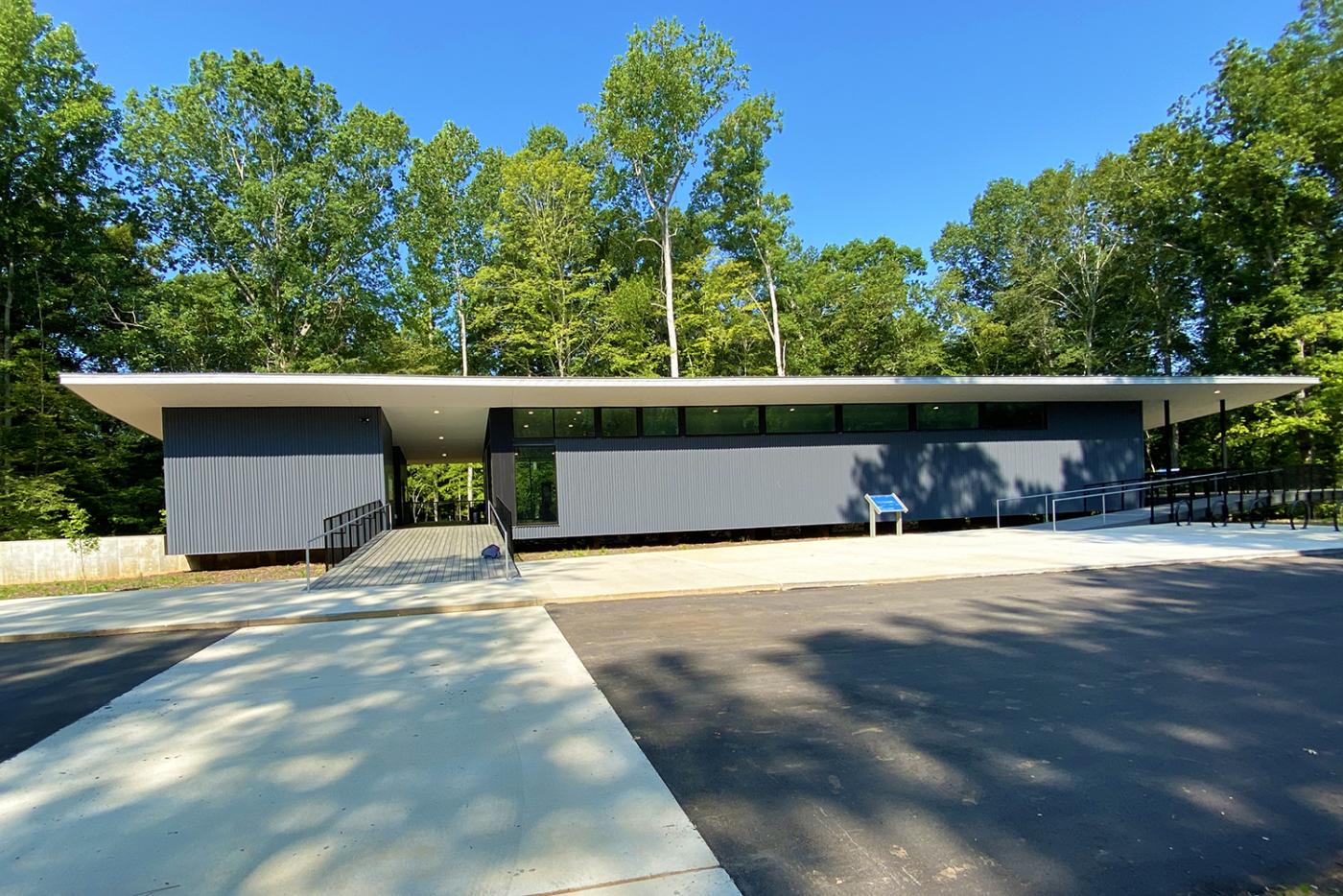
Initial orientation and information point
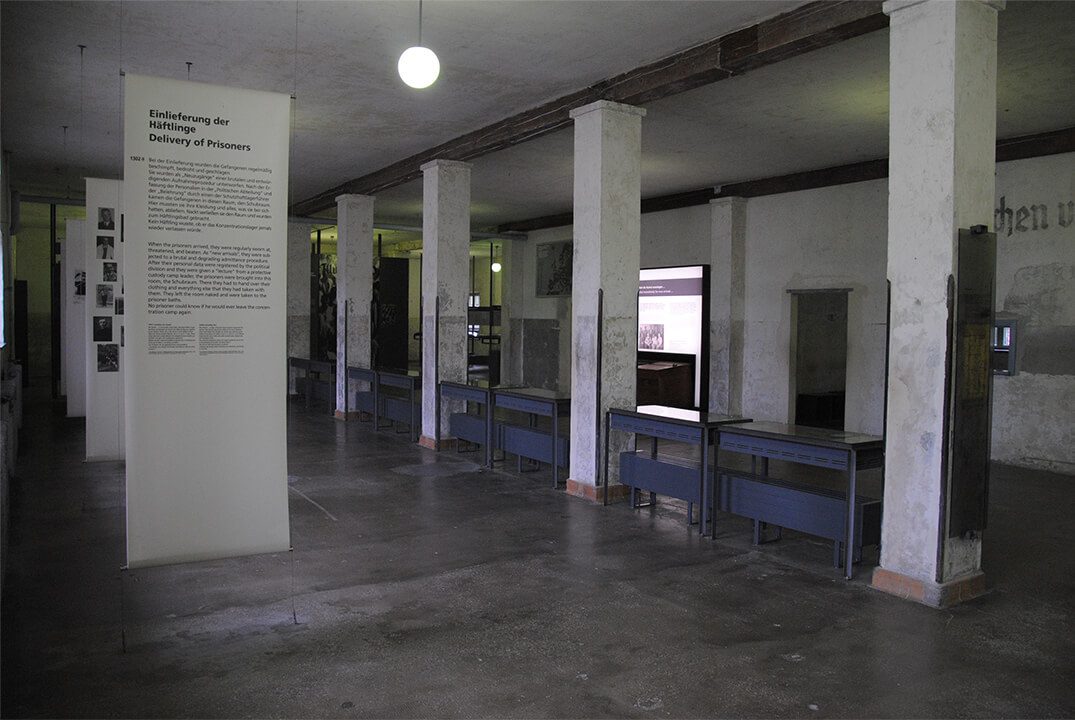
Museum exhibition on camp history
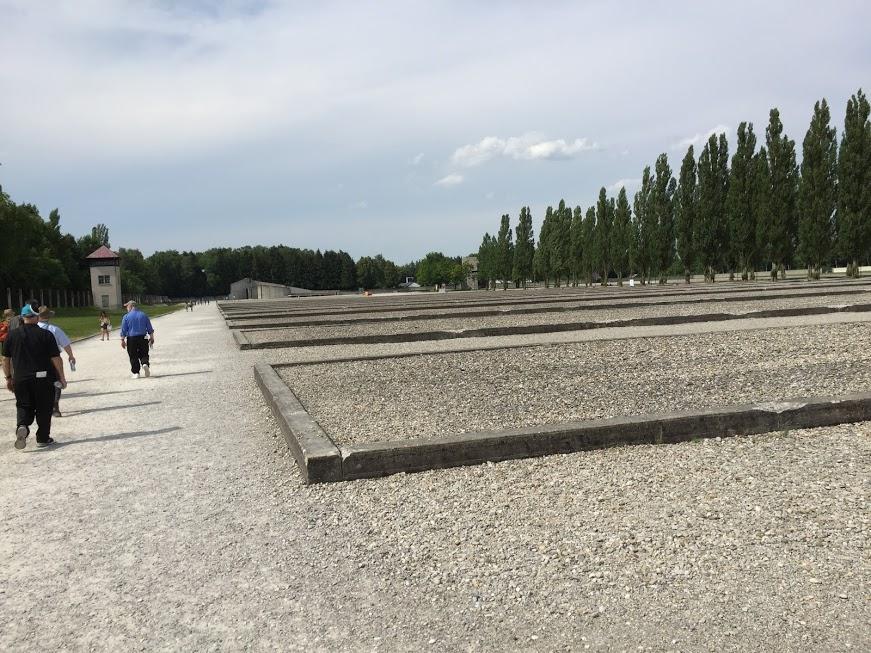
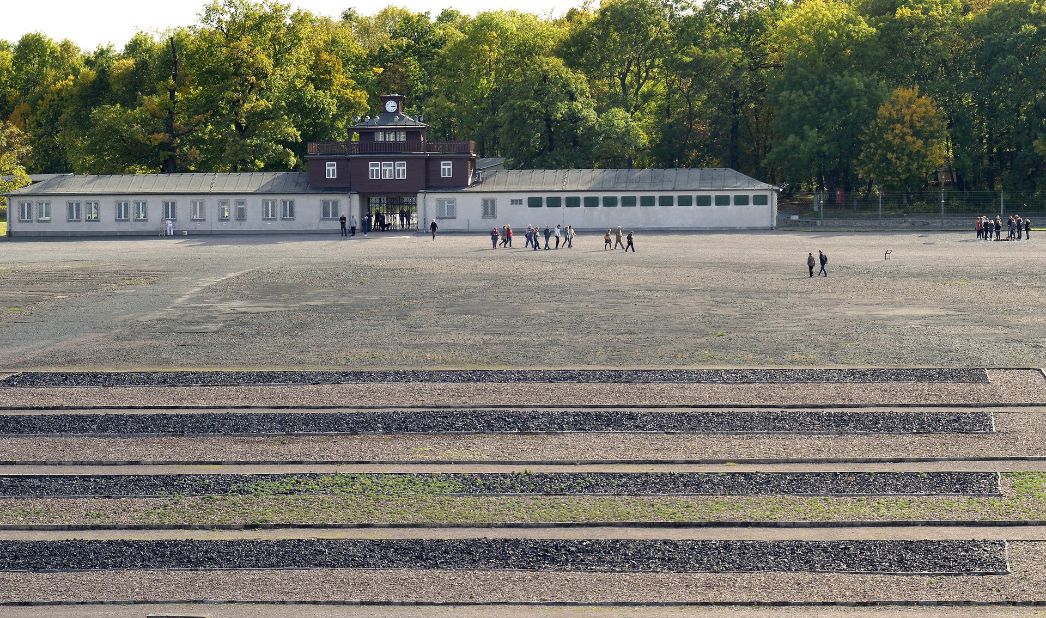
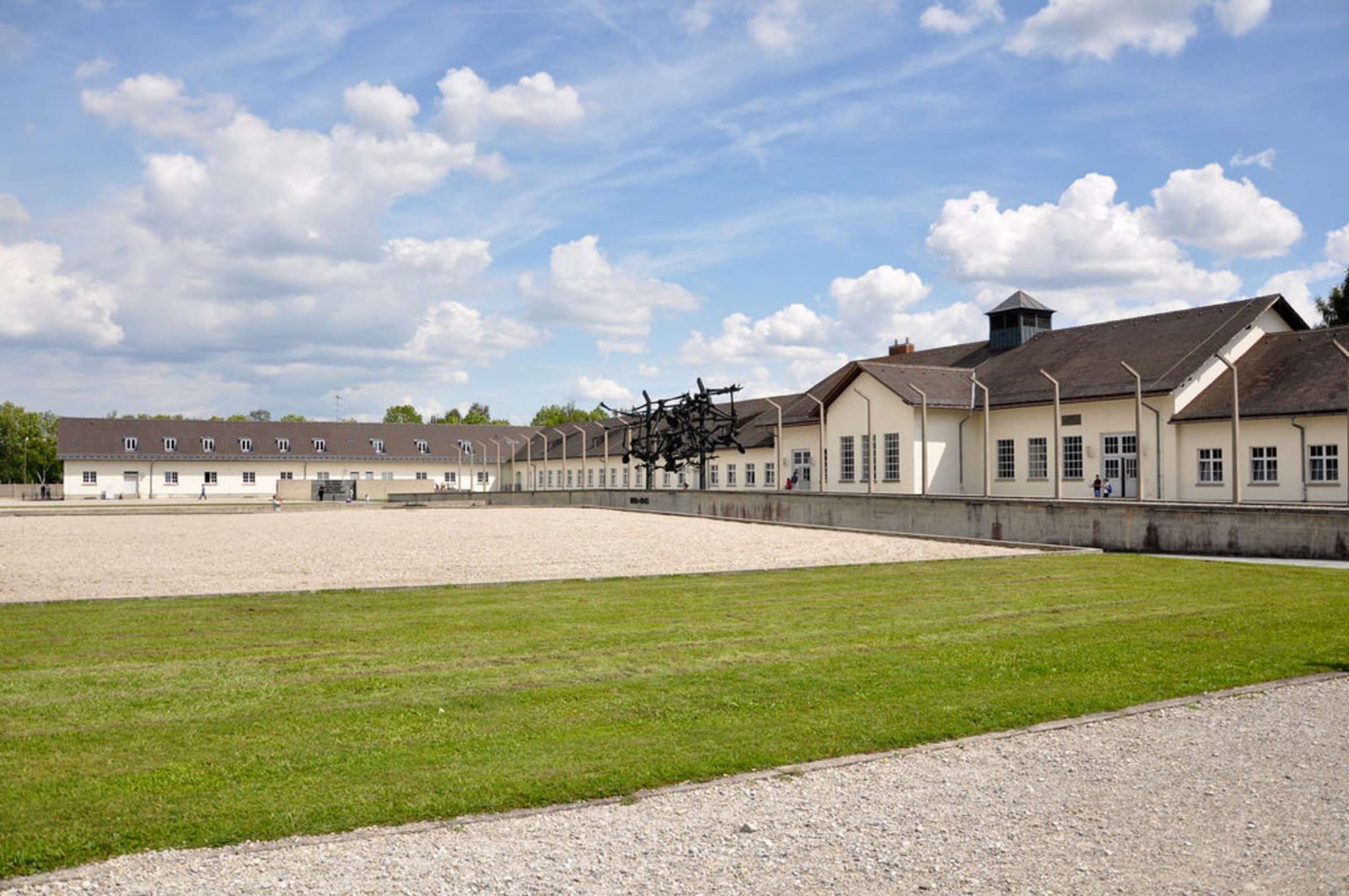
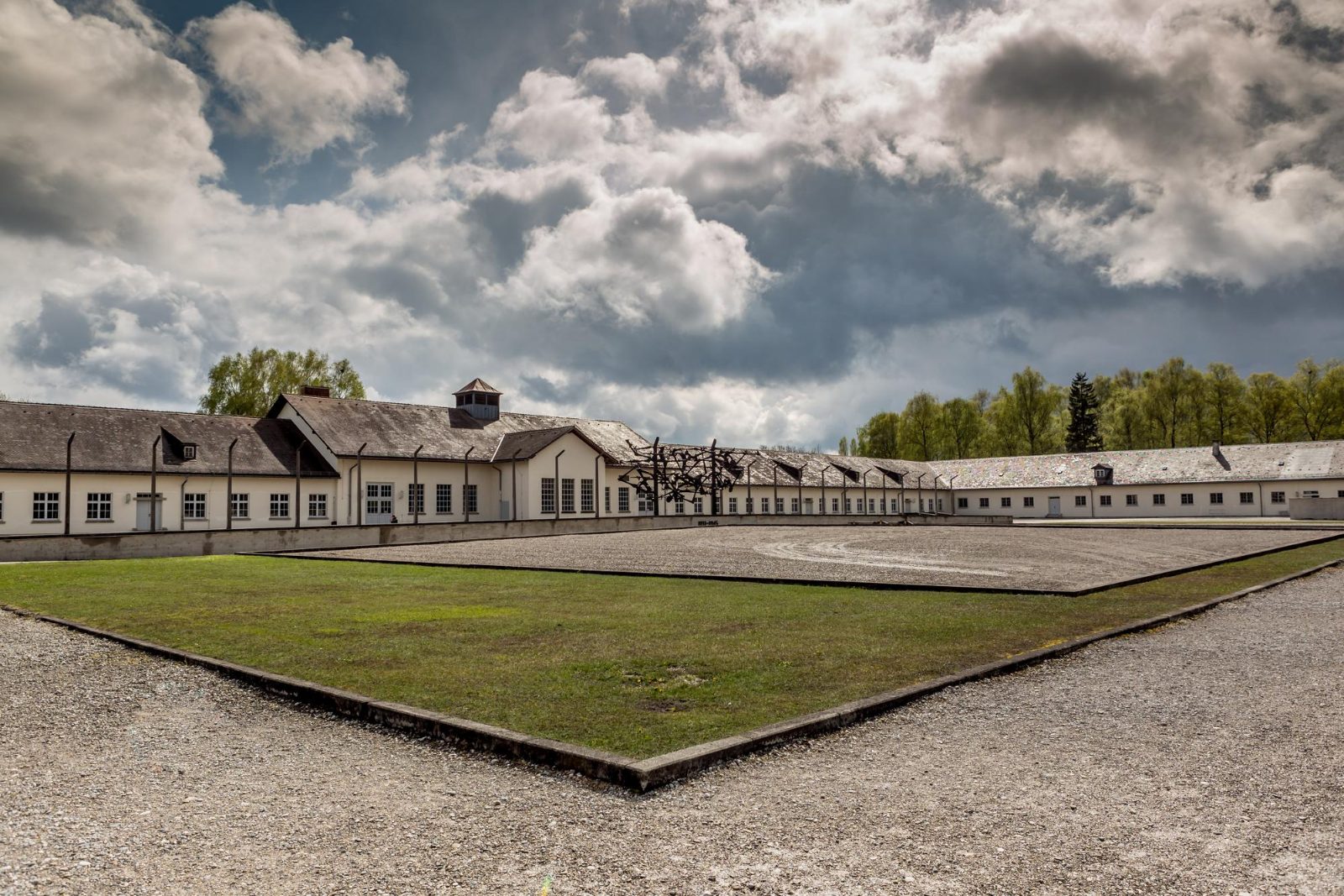
Commemoration of daily prisoner assemblies
Reproduction of living conditions
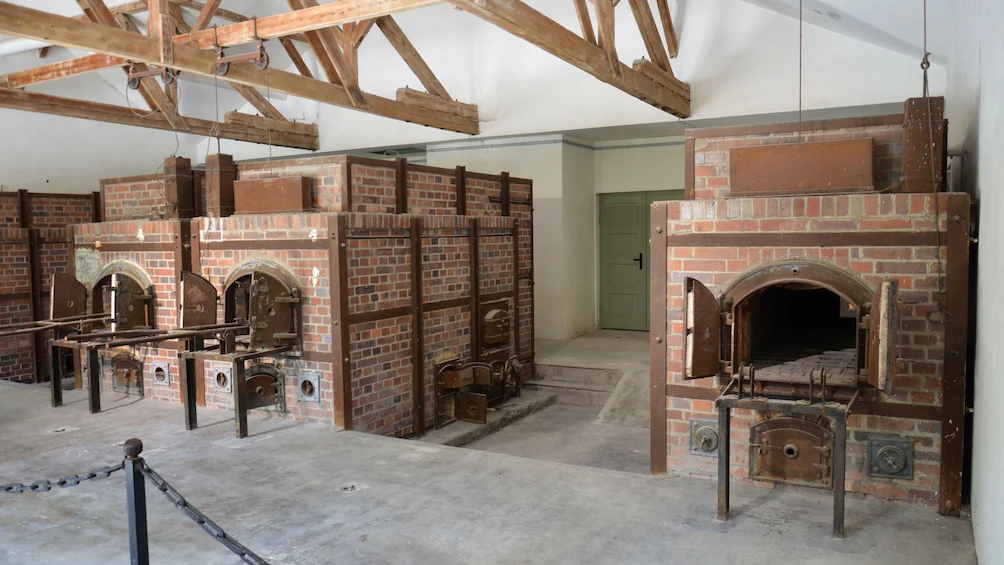
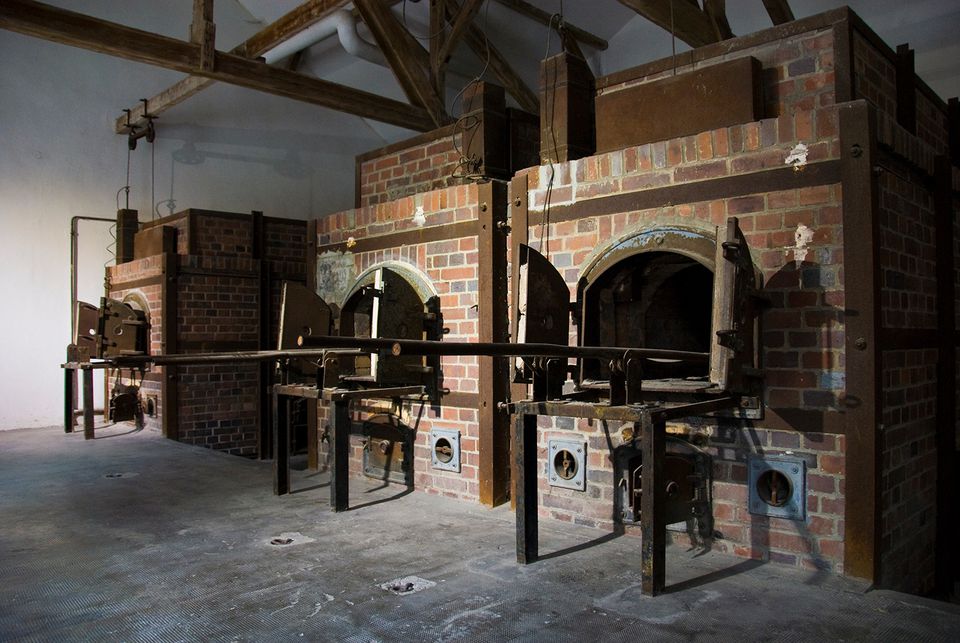
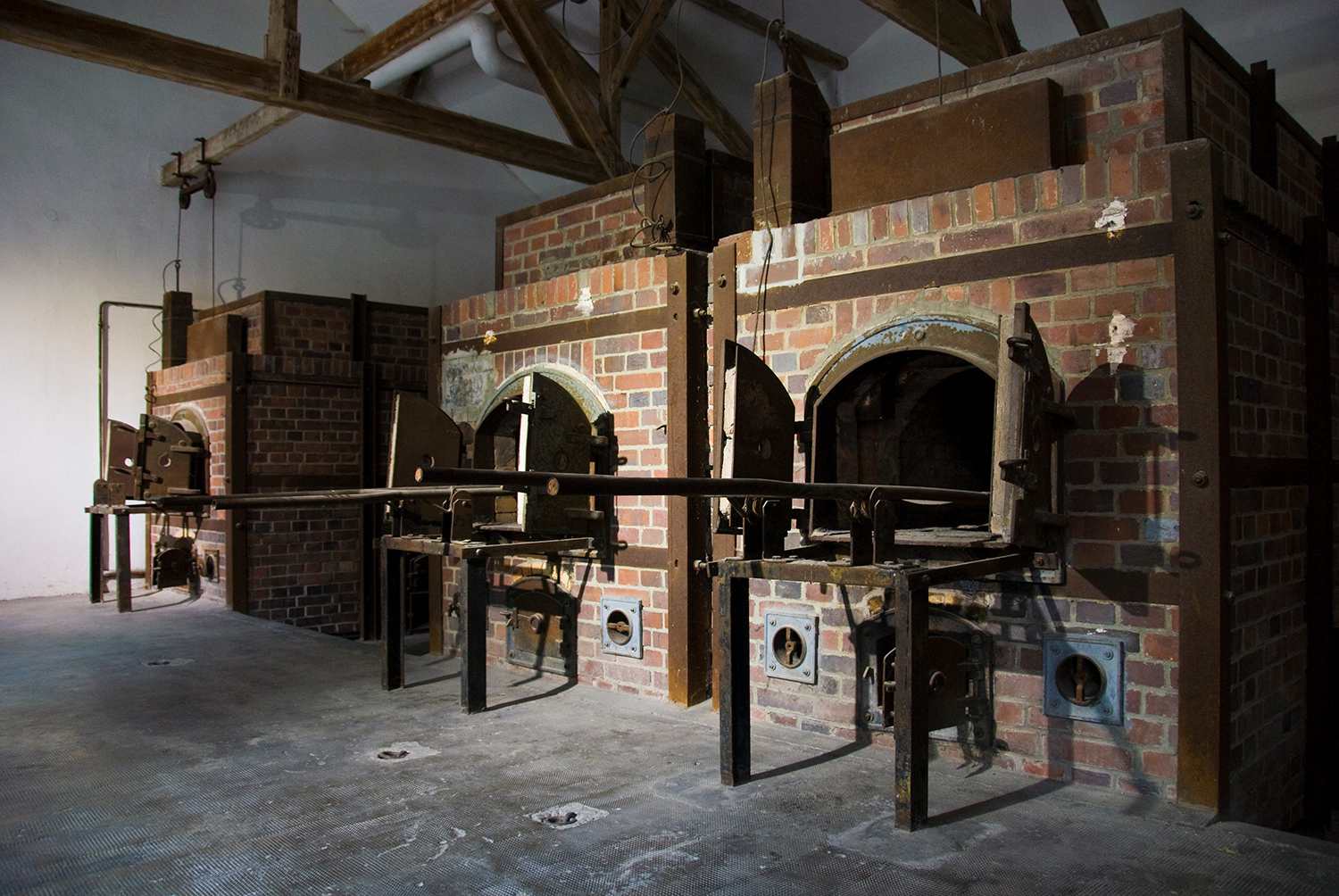
Memorial site of the gas chamber and ovens
This is where thousands of prisoners were forced to stand for hours during daily counts in all weather conditions.
The museum exhibition provides historical context regarding the camp system and prisoner daily life.
Visitors can walk through reconstructed barracks to see the overcrowded living conditions.
This area contains the barracks for the ovens and the gas chamber, serving as a solemn place of memorial.
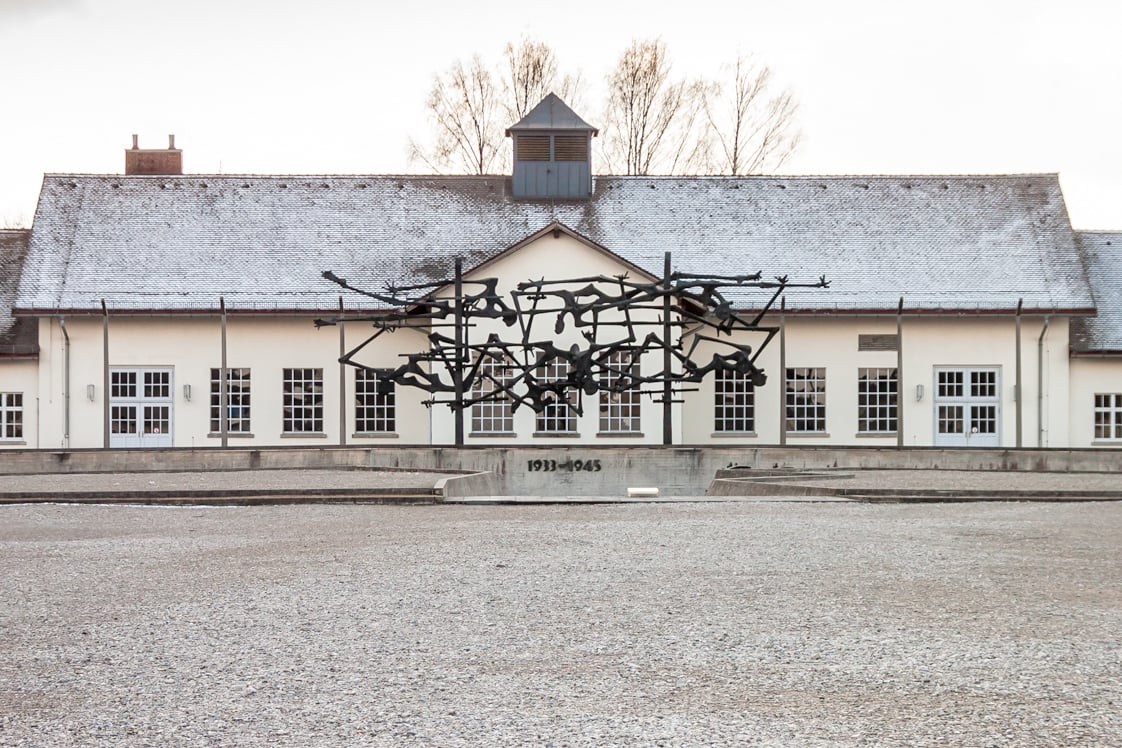
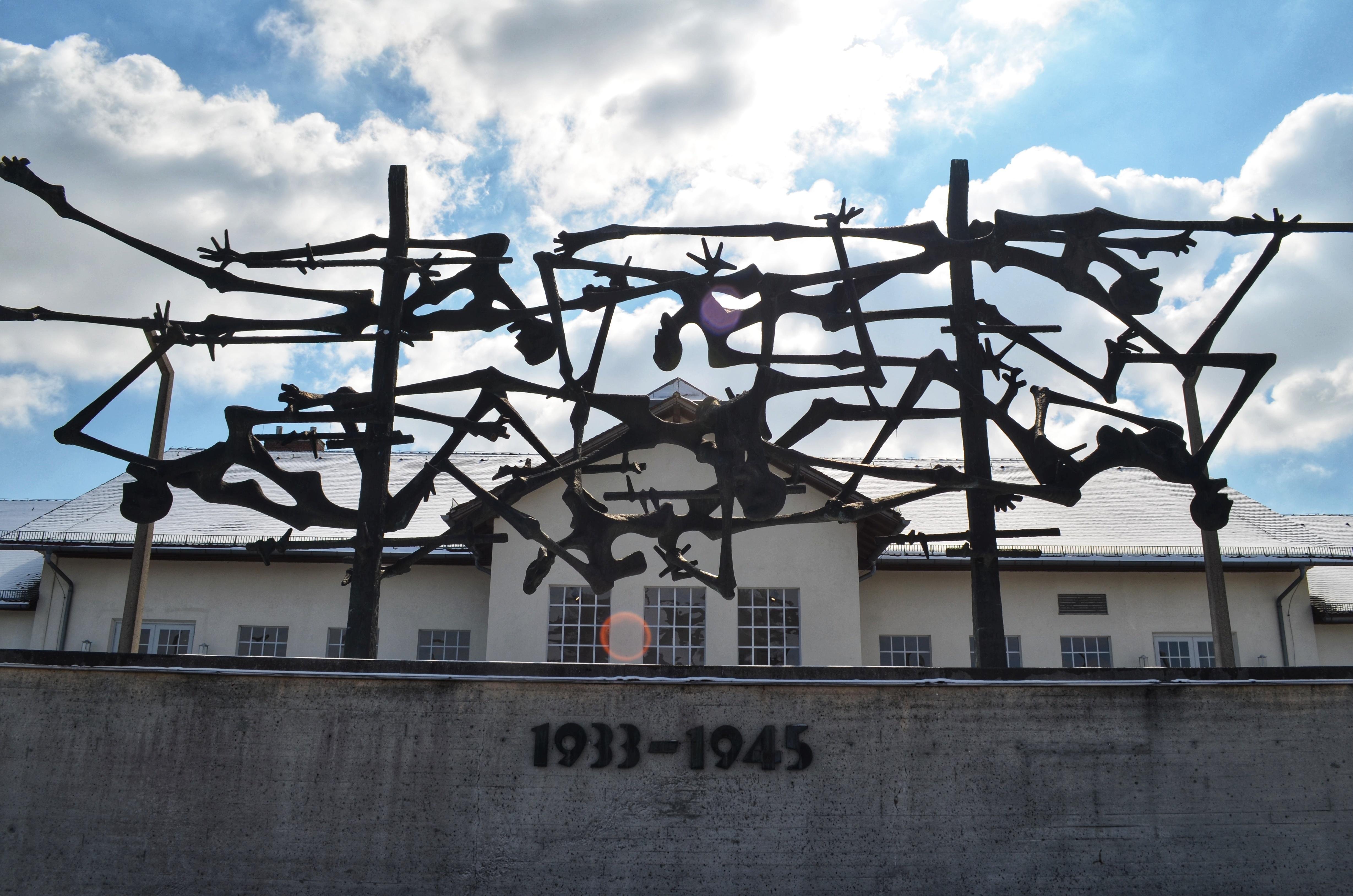
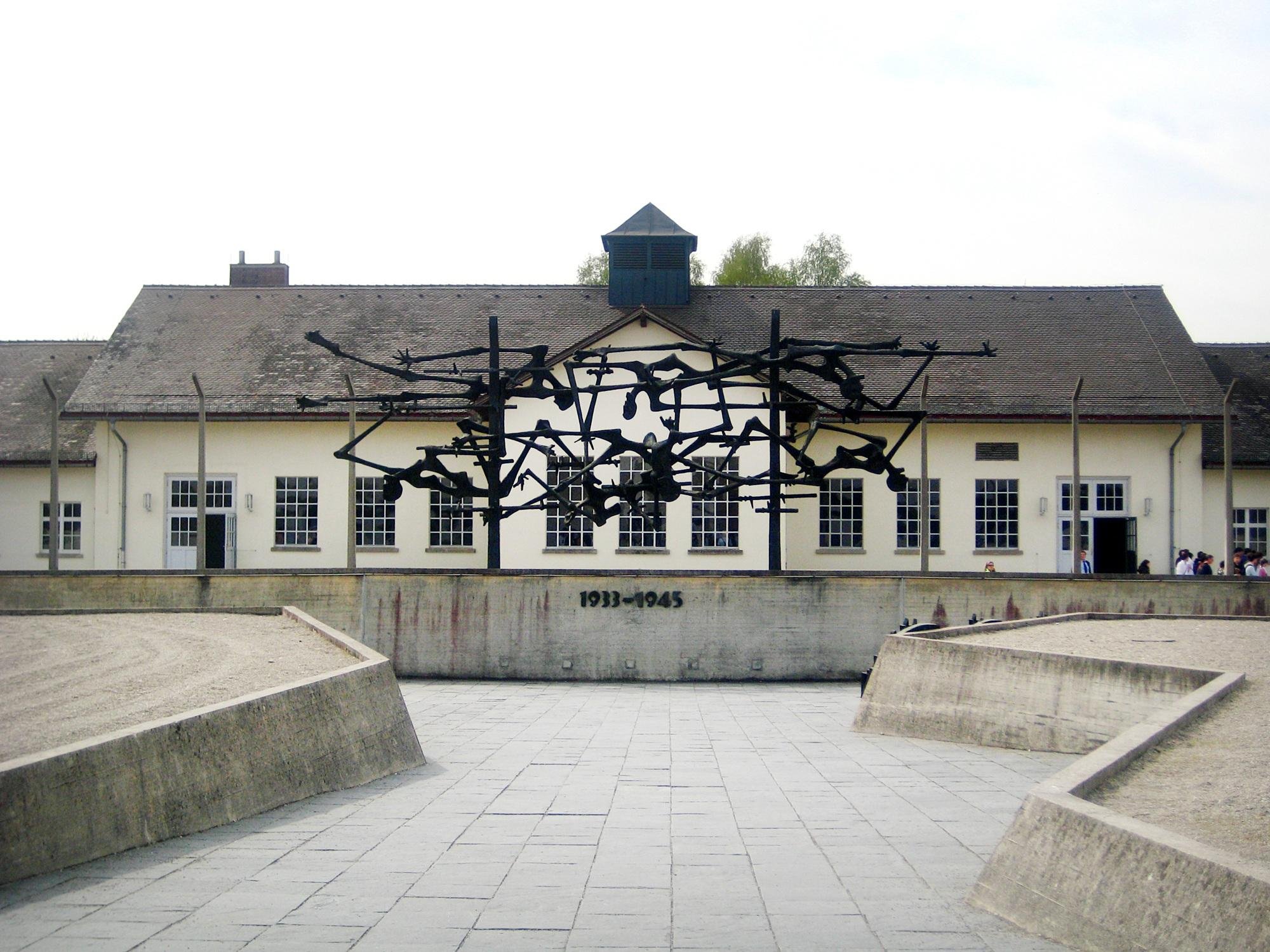
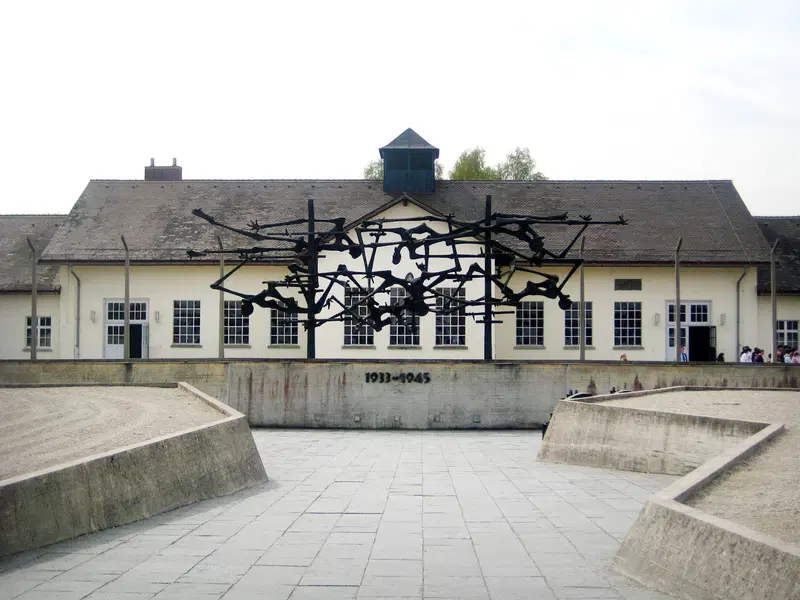
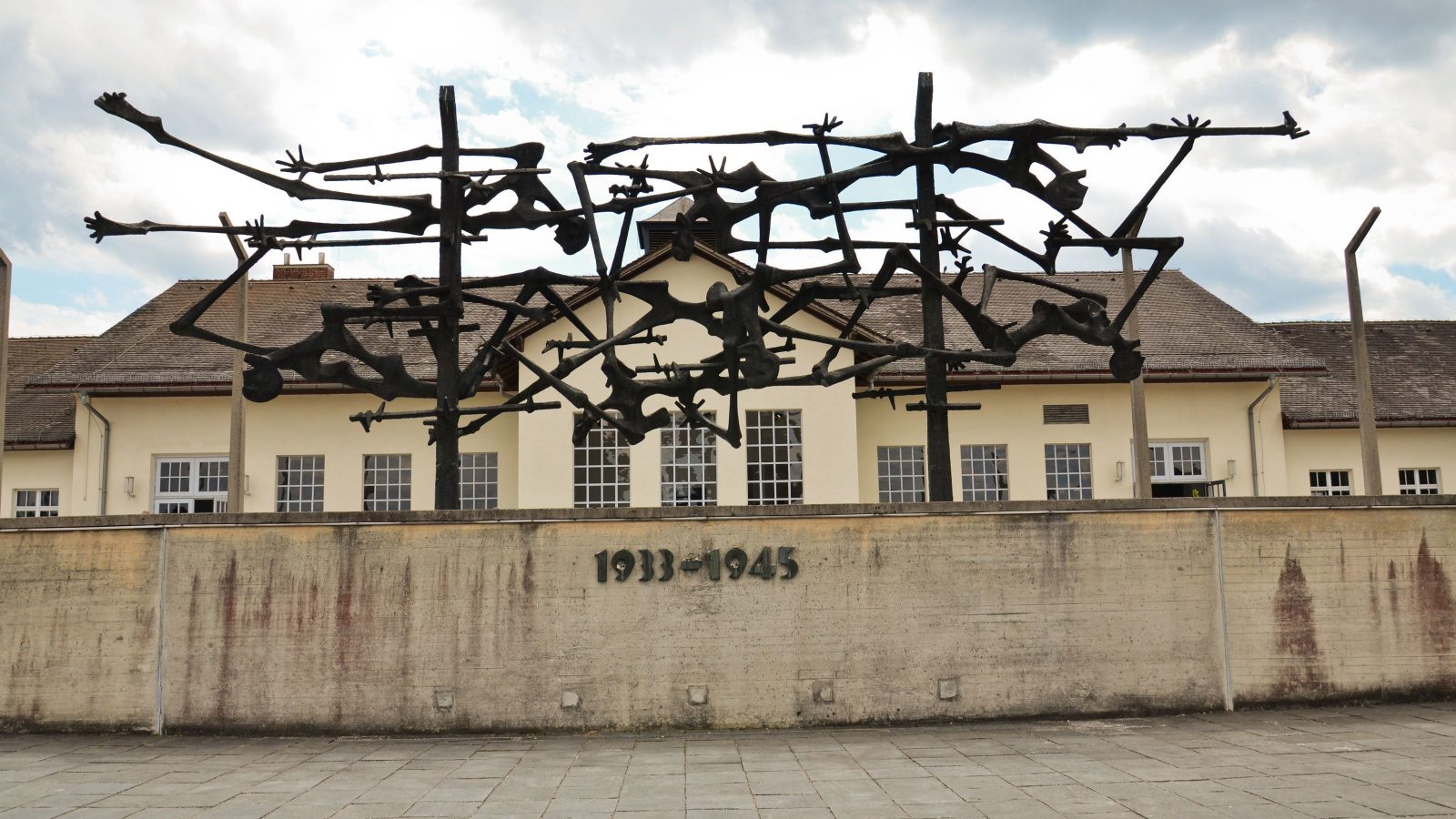
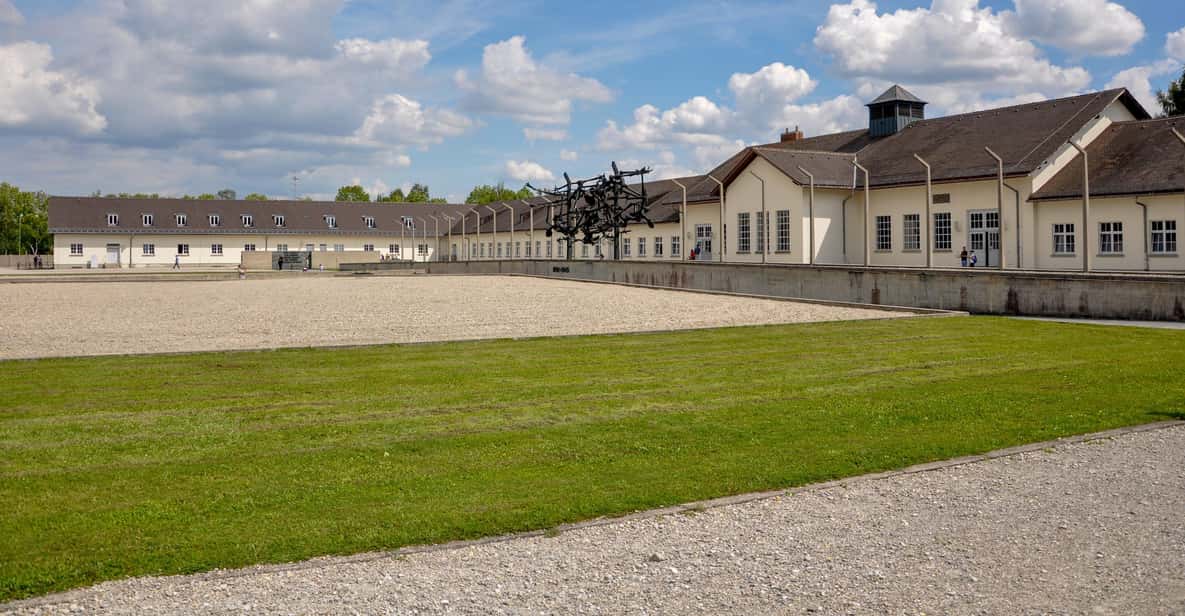
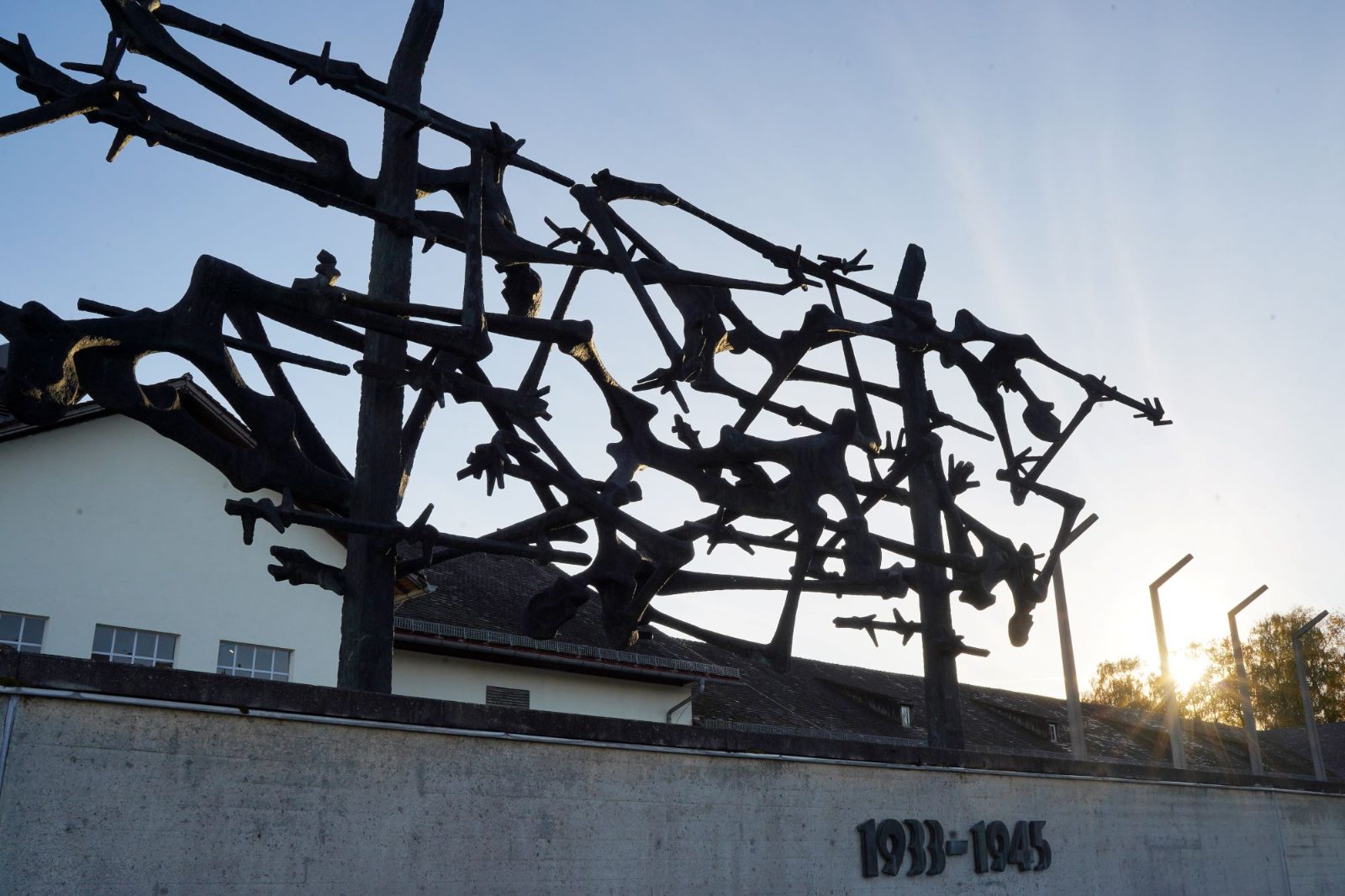
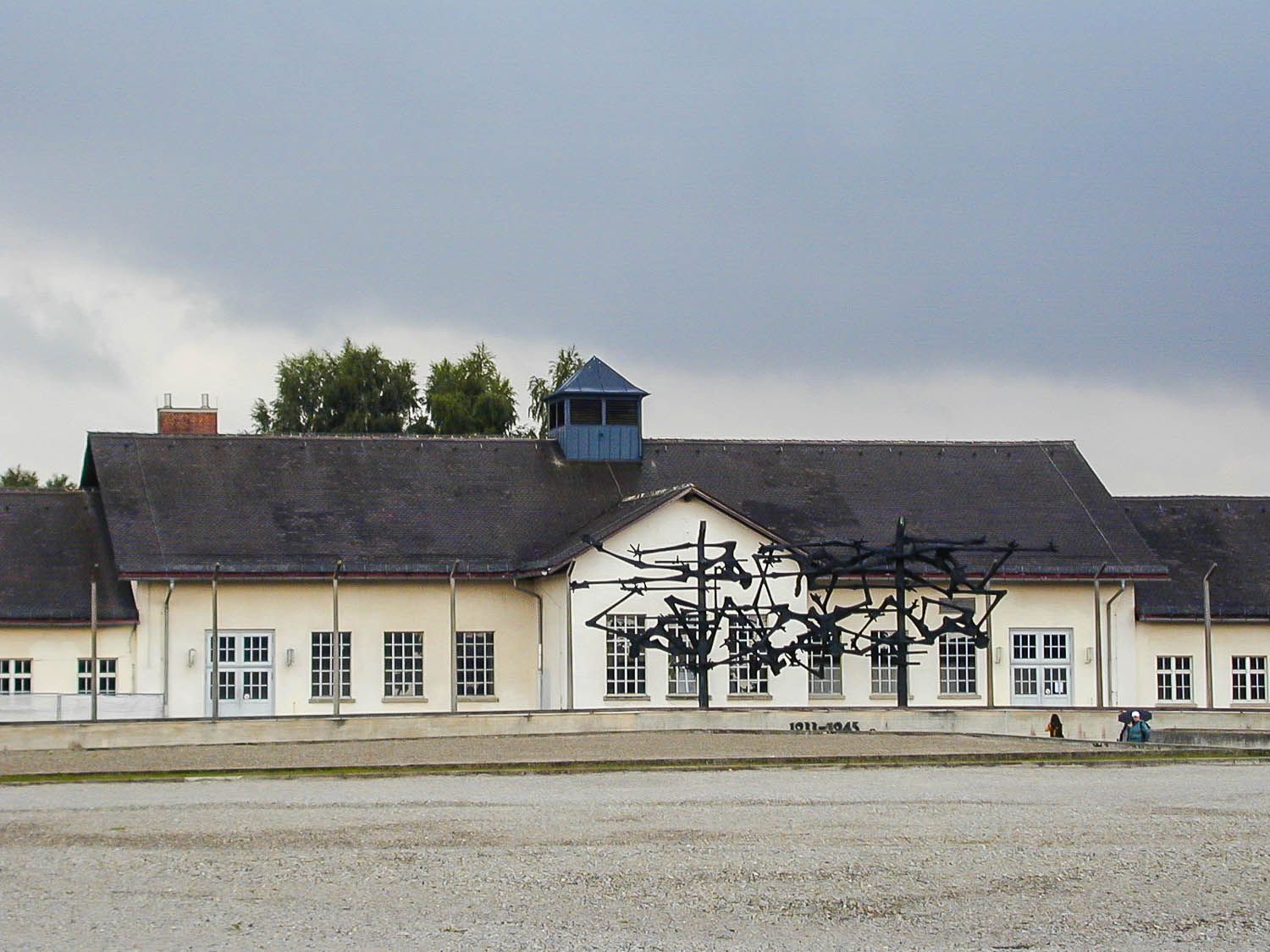
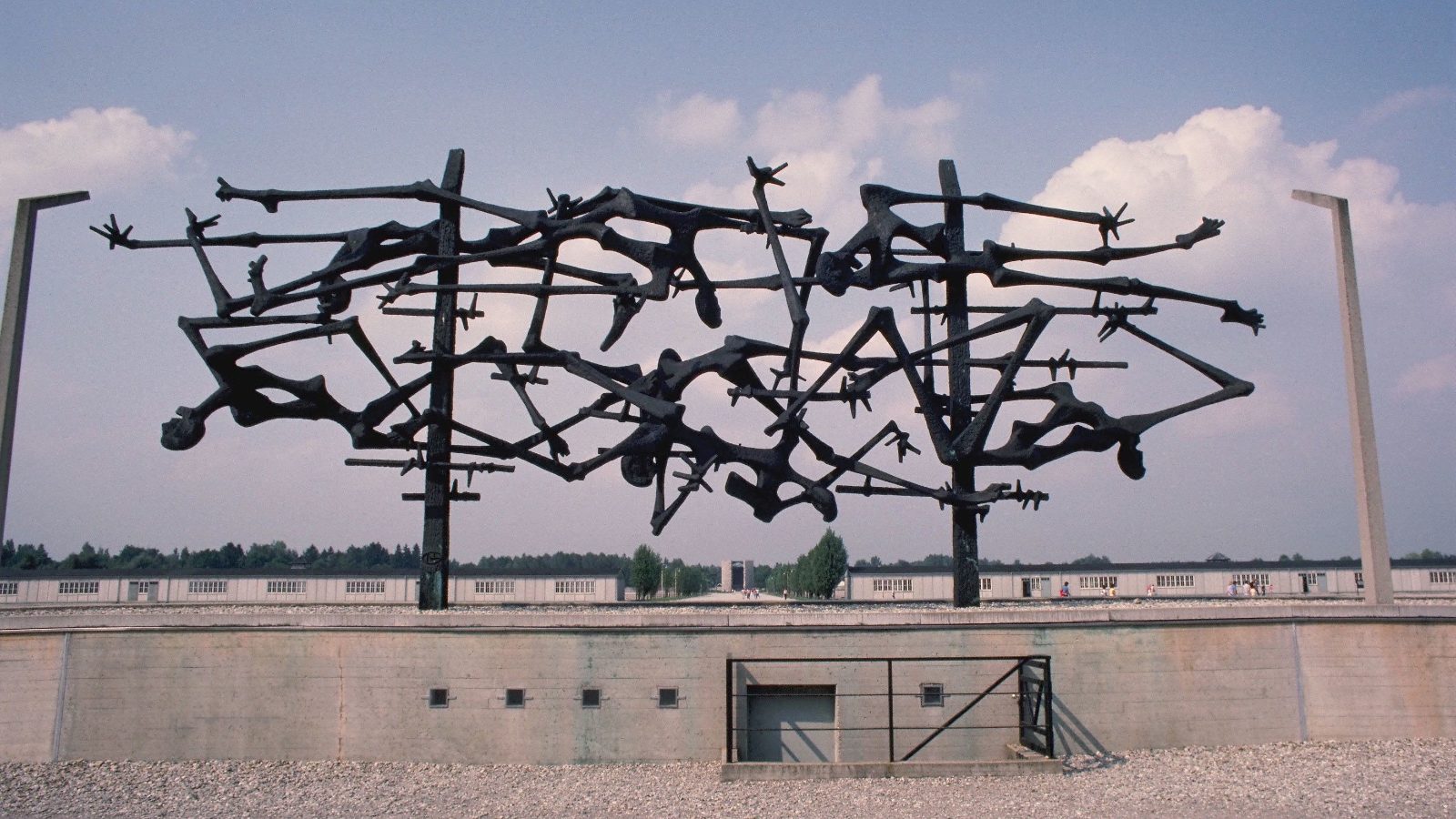
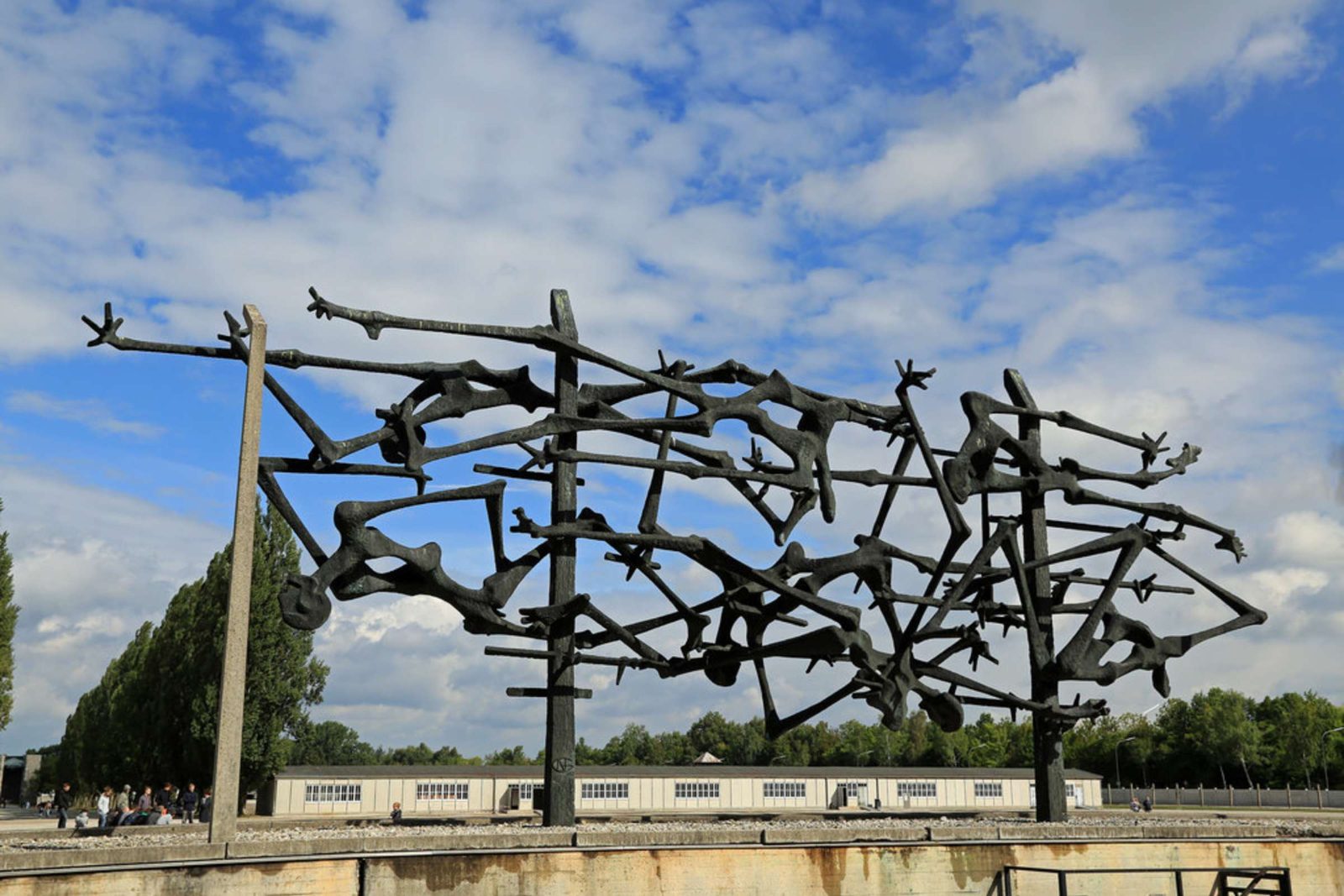
Designed by Nandor Glid, this sculpture serves as a center for reflection at the memorial site.
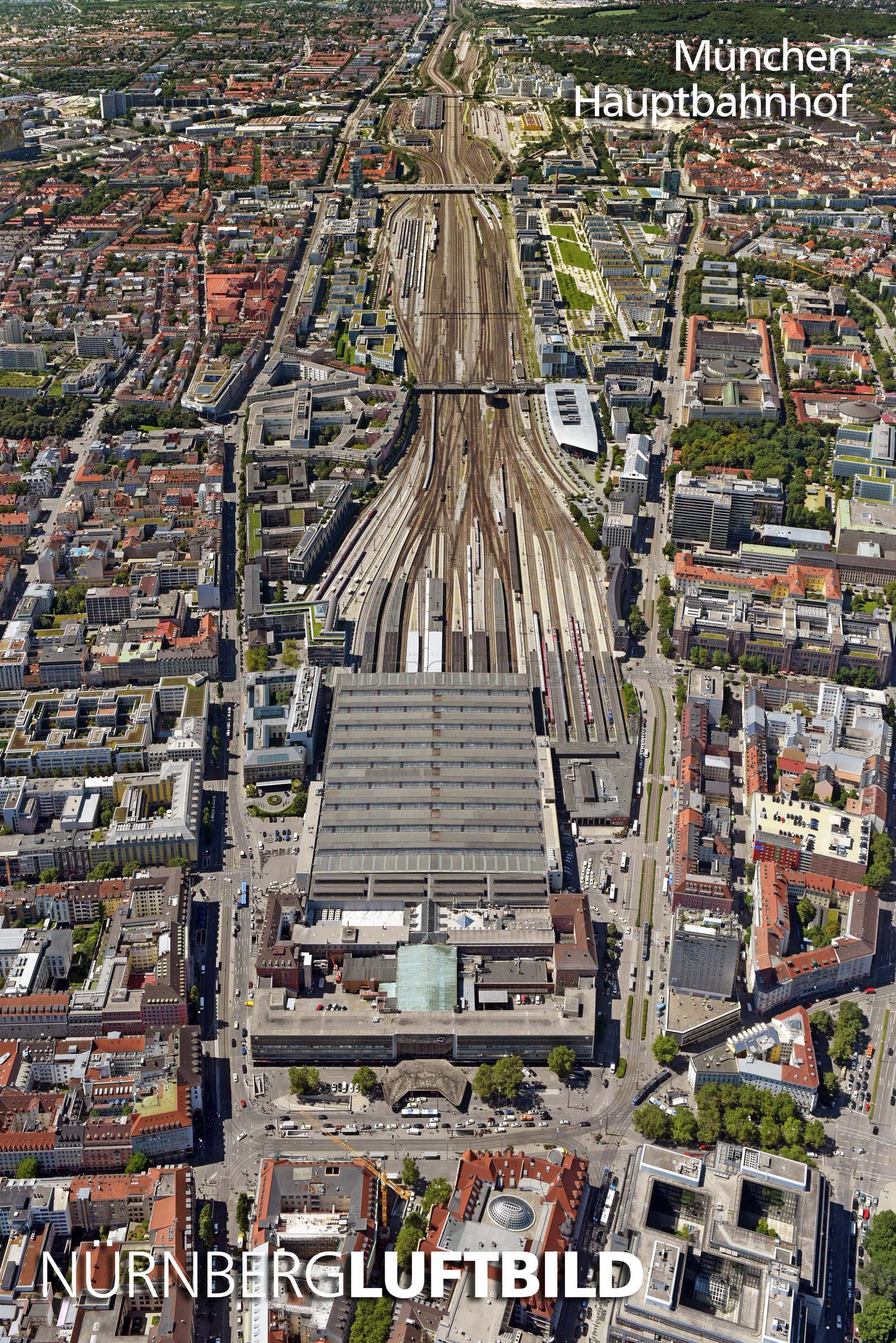
You board the S-Bahn at Munich Hauptbahnhof or meet your guide at a central departure point, traveling north through suburban Bavaria as your guide frames the camp's establishment in 1933 and its role in the Nazi concentration camp system.
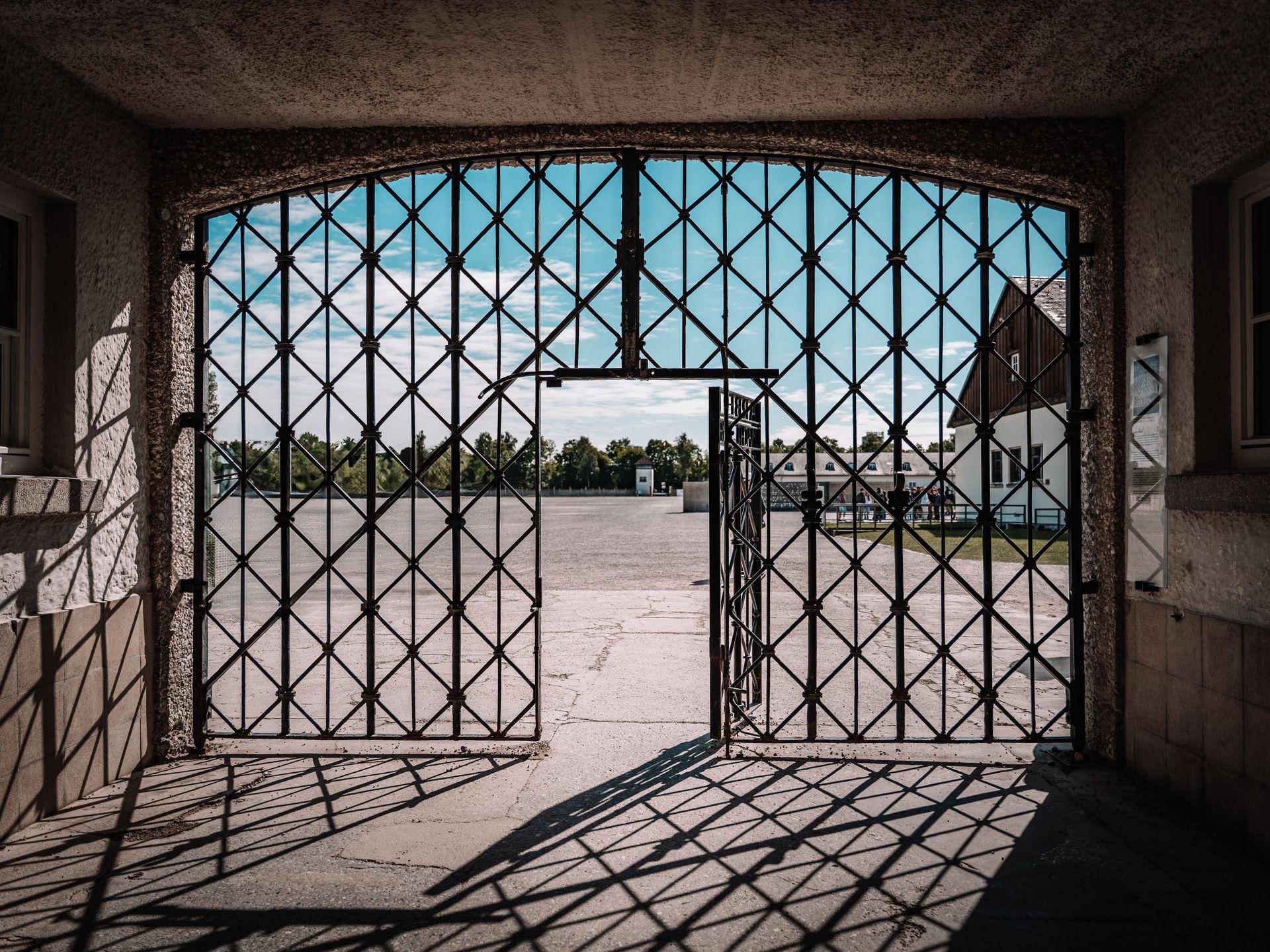
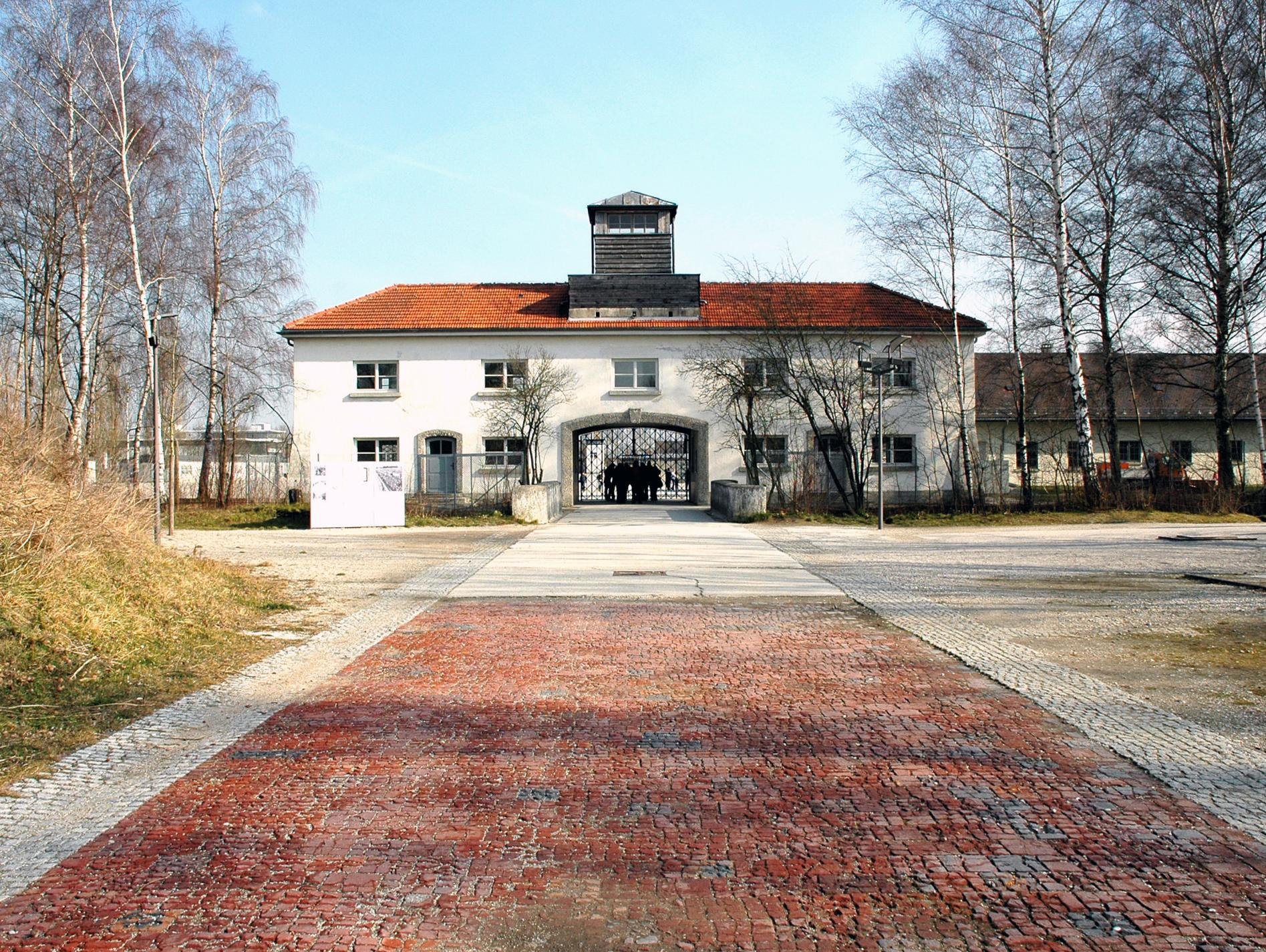
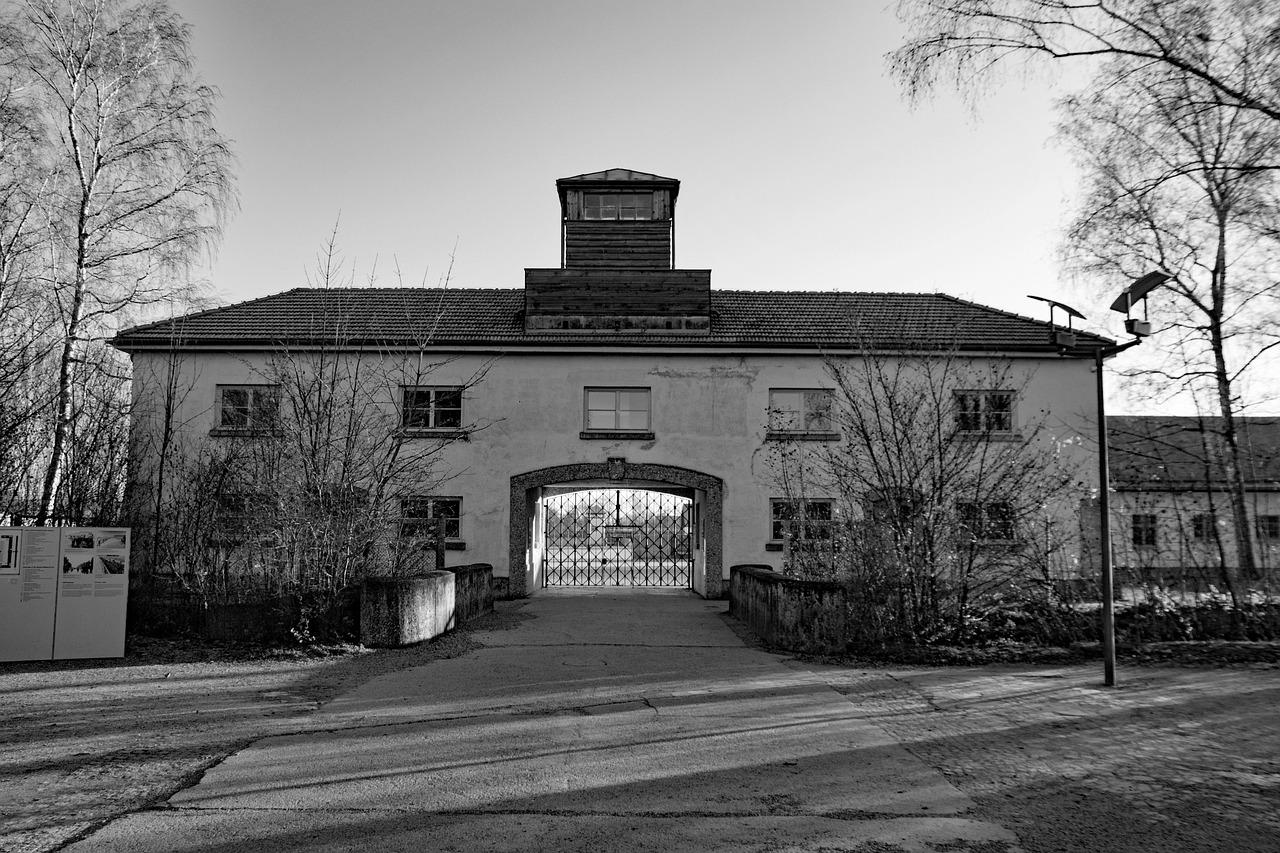
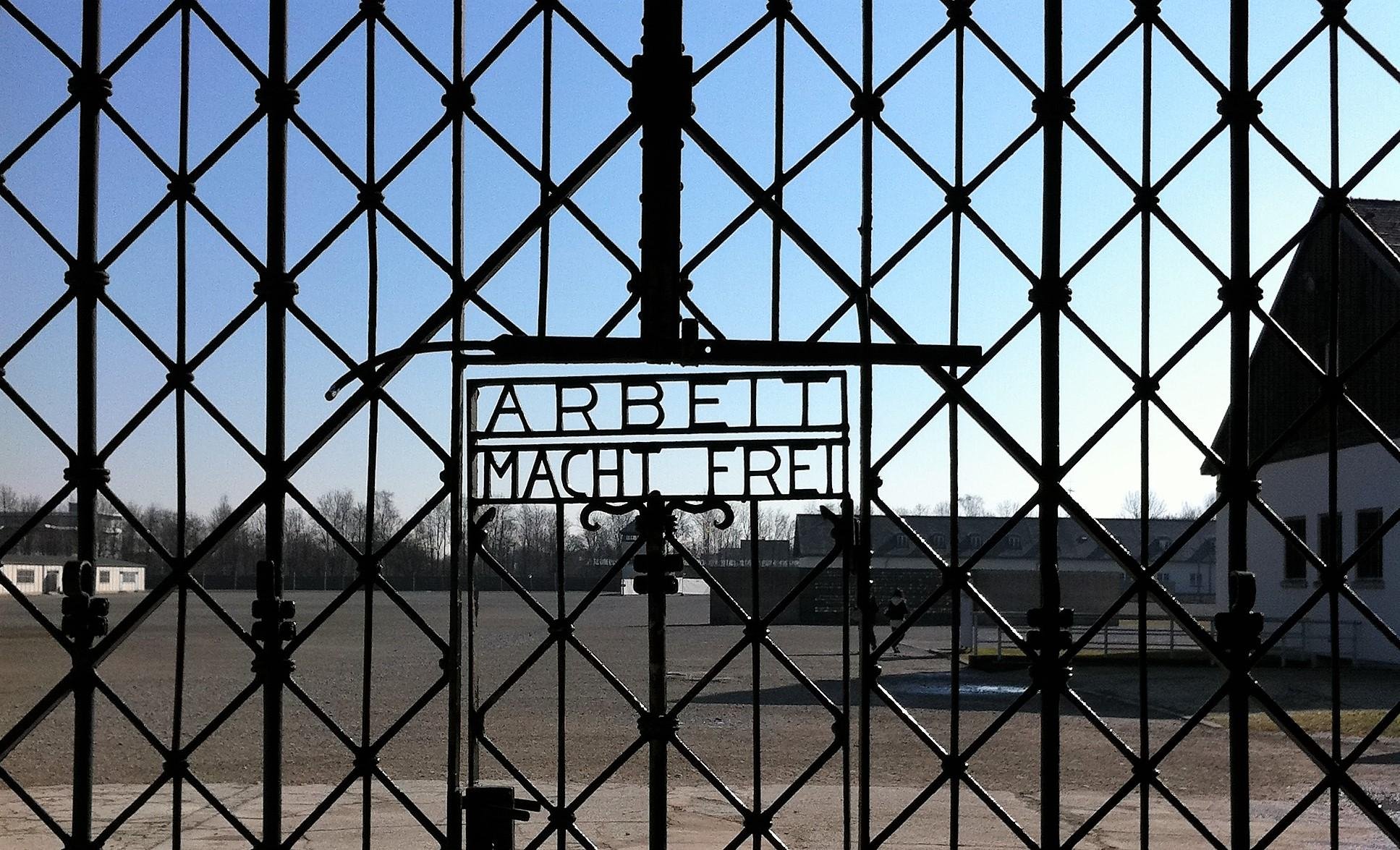
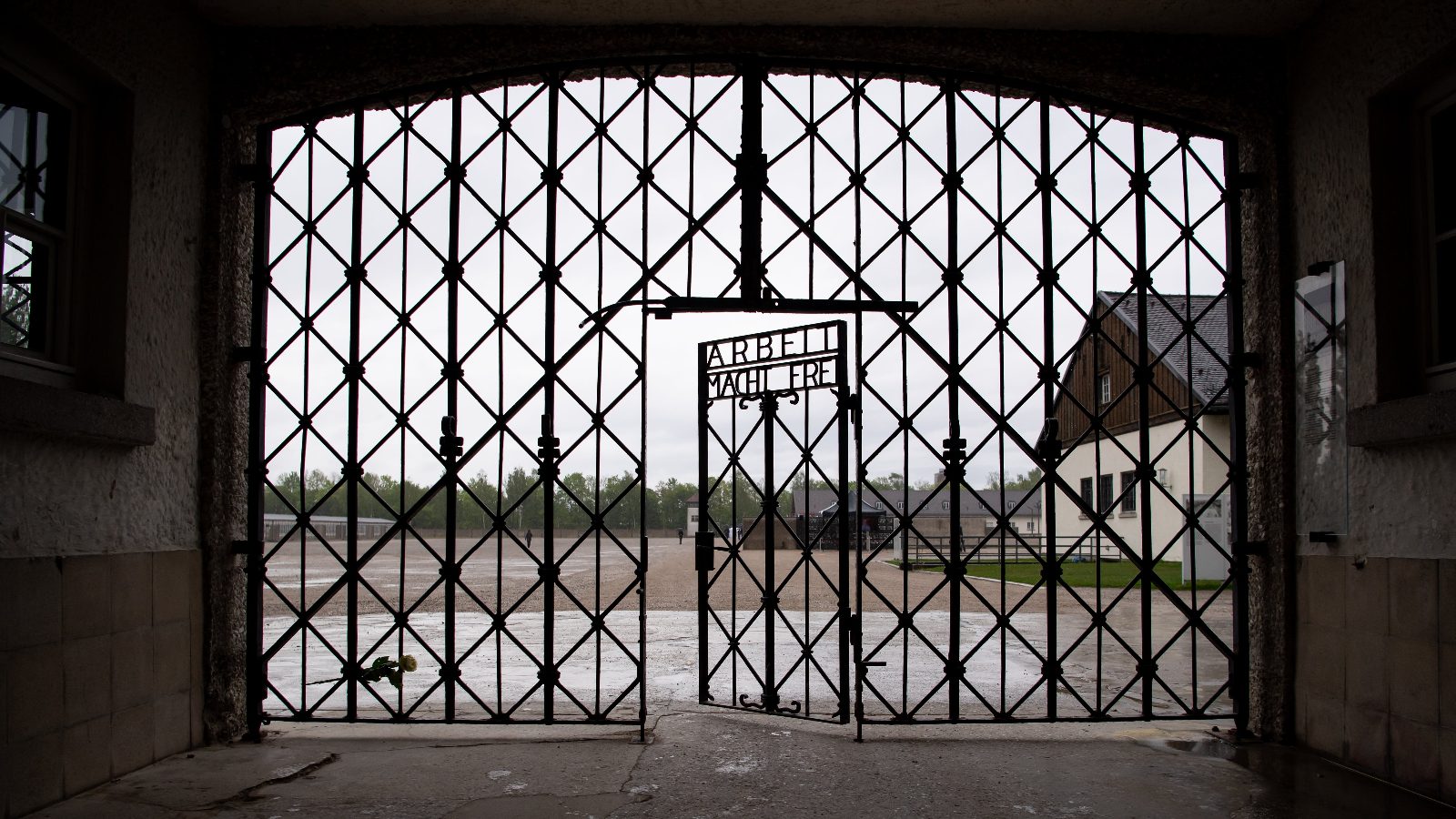
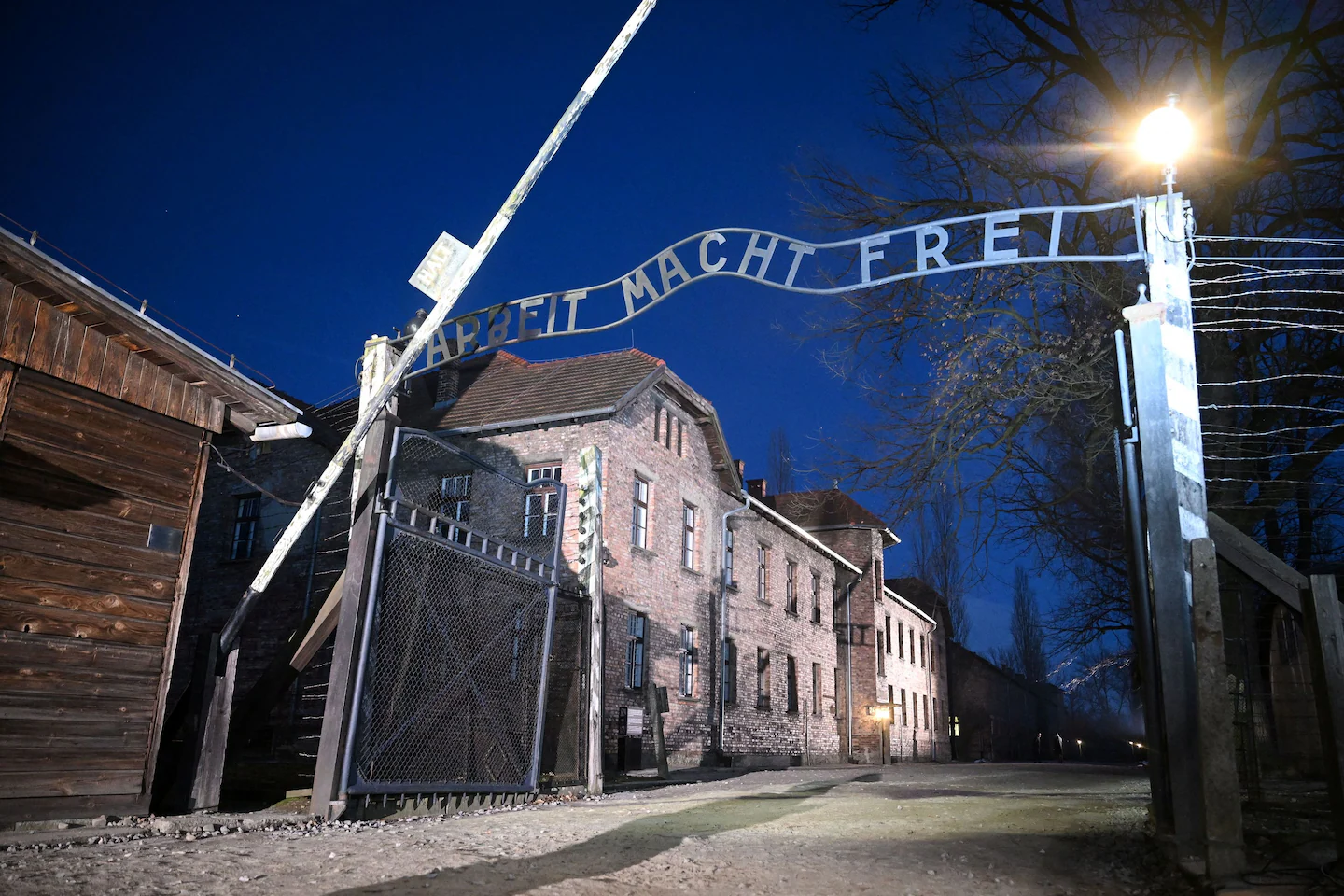
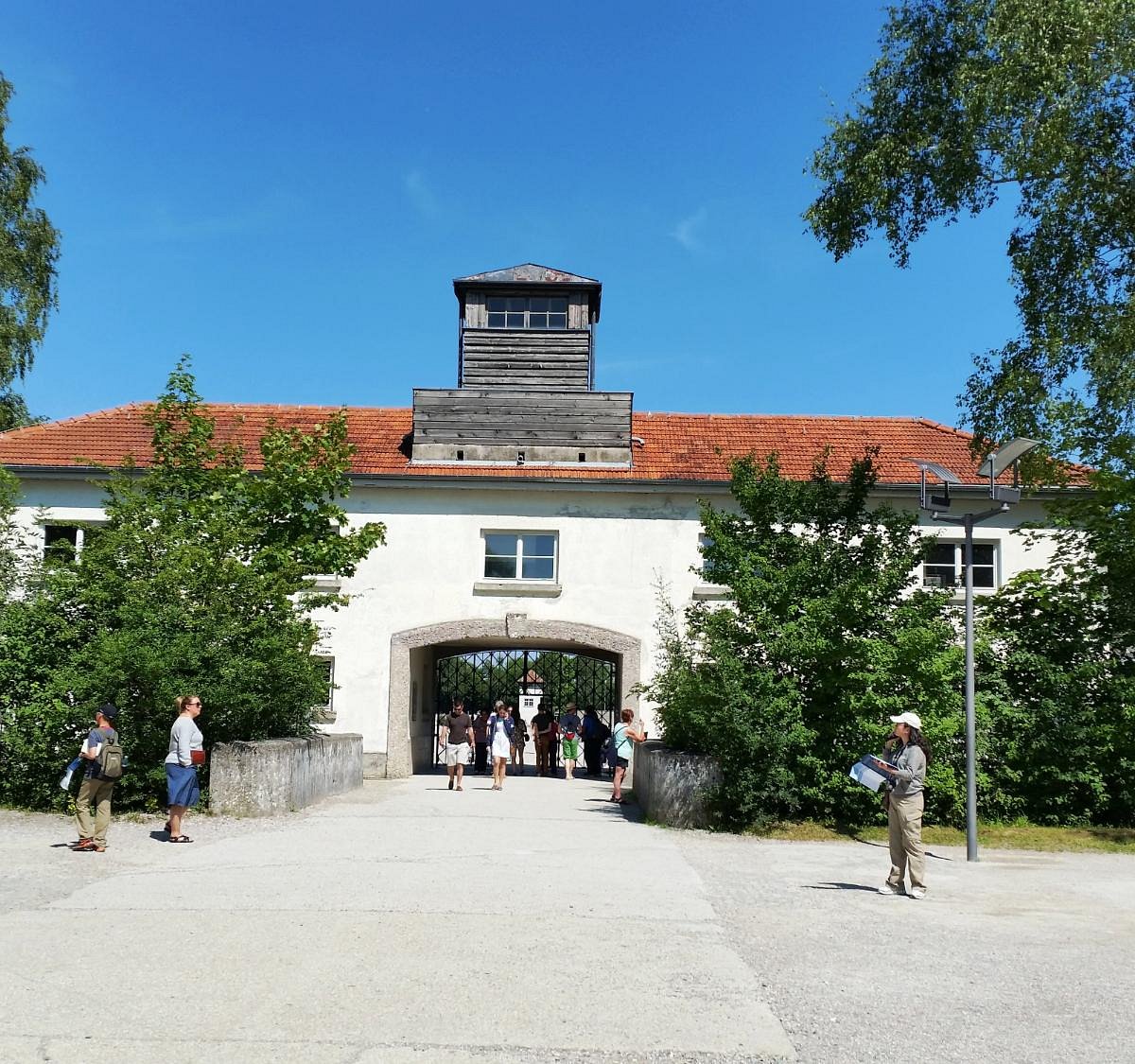
The memorial's entrance gate appears after a short walk from Dachau station, the iron lettering of "Arbeit Macht Frei" confronting you immediately.
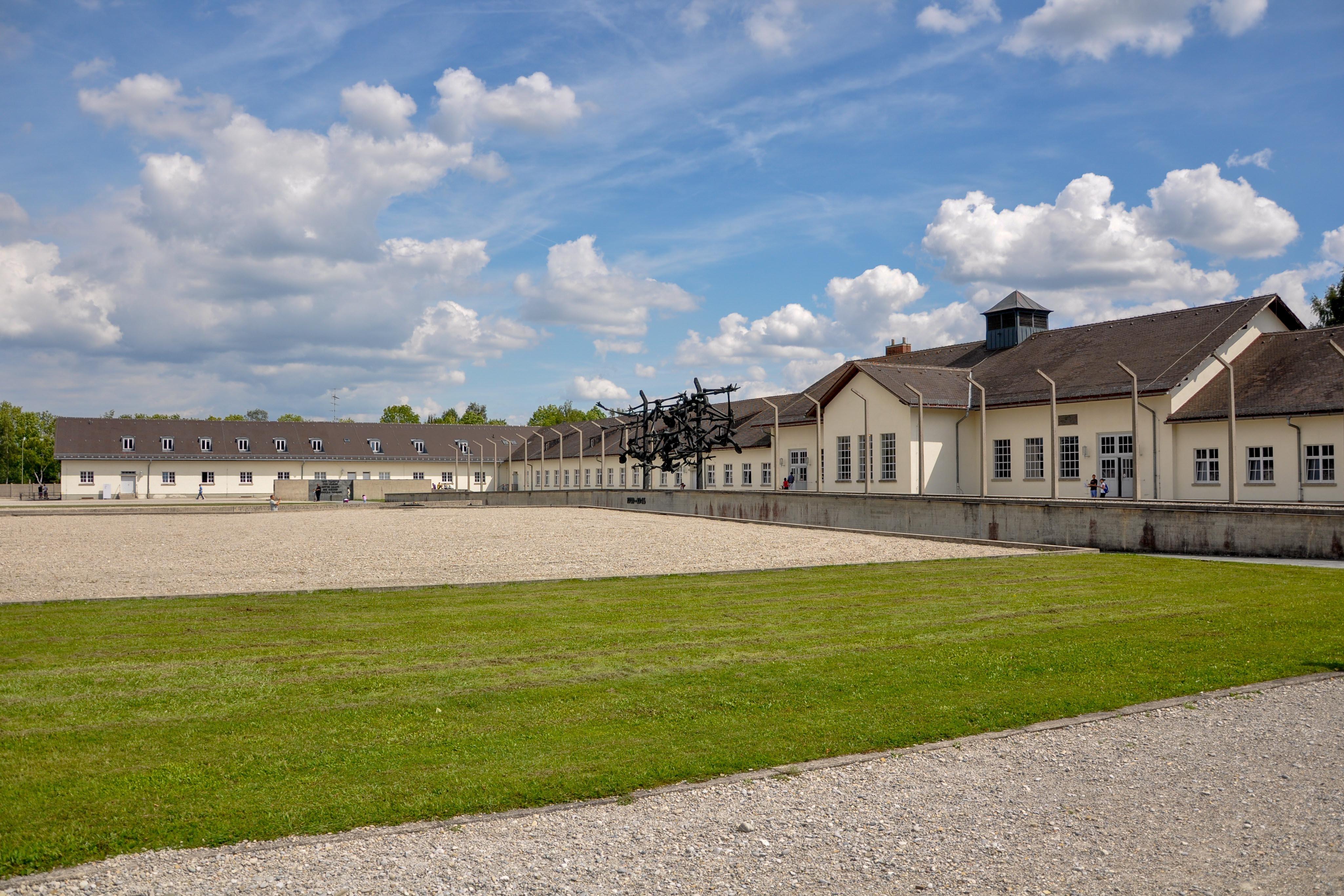
You cross the vast roll-call square where prisoners stood for hours during daily counts, the reconstructed barracks on your left illustrating the cramped sleeping quarters that held ten times their intended capacity by 1945. Inside the museum building, you move through chronological exhibitions documenting prisoner categories, forced labor assignments, medical experiments, and resistance efforts, photographs and artifacts grounding abstract statistics in individual lives. Your guide pauses at display cases holding striped uniforms, identification cards, and confiscated personal items.
The path continues to the crematorium and gas chamber at the camp's western edge, the most difficult segment of any dachau concentration camp tour. You stand in the disinfection rooms and former mortuary, the preserved ovens a stark reminder of industrialized death. Many visitors spend time at the religious memorials afterward, seeking space for private reflection before returning to the museum courtyard where your guide answers final questions and recommends further reading for those wishing to continue their study of Holocaust history.
All the details about your upcoming adventure in one place
The Dachau Concentration Camp Memorial Site opened as Germany's first Nazi concentration camp on March 22, 1933, transforming a former munitions factory into a model for the camp system that would follow.
Over twelve years, more than 200,000 prisoners passed through Dachau, with at least 41,500 documented deaths from disease, malnutrition, forced labor, and execution. The camp served as a training center for SS officers who later commanded camps across occupied Europe, establishing administrative and operational procedures that would define the Holocaust infrastructure.
The memorial site opened to the public in 1965 after decades of debate about preservation and memory. Today, the 250-acre grounds maintain reconstructed barracks, the preserved crematorium, watchtowers, and extensive archival exhibitions that document daily life and death inside the camp. The original gate bearing the phrase "Arbeit Macht Frei" stands at the entrance, while the International Monument erected in 1968 anchors the former roll-call square where prisoners endured hours of forced standing in all weather. Religious memorials representing Catholic, Protestant, Jewish, and Russian Orthodox faiths occupy the western perimeter, each designed by survivors and their communities.
Dachau concentration camp tours from munich depart daily, covering the 17-kilometer journey in approximately thirty minutes by train or bus. Most guided experiences include round-trip transport, removing the logistical complexity of navigating regional rail connections and allowing visitors to focus on the historical context provided by specialist guides. Tours typically run between four and six hours, with half-day options concentrating on the core memorial buildings and full-day itineraries incorporating deeper archival engagement and extended time in the museum's permanent exhibition halls. Spanish-language tours accommodate non-English speakers seeking comprehensive interpretation in their native language.
The memorial site charges no entrance fee, operating as a public educational institution funded by the Bavarian state. Visitor numbers have grown steadily, reaching over 900,000 annually before pandemic restrictions, making early-morning arrivals essential for those seeking quieter contemplation. The site operates Tuesday through Sunday, remaining closed on Mondays for maintenance and archival work. Audio guides in twenty languages supplement guided tours, though many educators recommend guided visits for first-time visitors who benefit from structured historical framing and opportunities to ask questions about specific prisoner experiences, liberation accounts, and postwar justice proceedings.
Over twelve years, more than 200,000 prisoners passed through Dachau, with at least 41,500 documented deaths.
Visitors are expected to dress in a respectful and modest manner suitable for a place of remembrance. Clothing with offensive slogans or imagery is prohibited.
Large backpacks and bulky luggage are not permitted within the exhibition areas. Lockers are available for visitors using dachau concentration camp tours from munich services.
Photography for private purposes is permitted in the outdoor areas and the museum. Tripods and commercial filming equipment require prior written authorization.
The site is not recommended for children under the age of 14 due to the sensitive nature of the historical content. Parents should be prepared to discuss the history with older children according to their level of maturity.
Most areas of the Dachau Concentration Camp Memorial Site are accessible to visitors with limited mobility. Accessible toilets and tactile guidance systems are provided throughout the grounds.
Consumption of food and drinks is prohibited within the memorial site exhibitions. A bistro is located at the visitor center for refreshments after your guided visit.
Opening Hours
09:00–17:00
Address
Alte Römerstraße 75, 85221 Dachau, Germany
Site Access
Wheelchair accessible pathways
Best Arrival
09:00–11:00
Storage
Lockers available on-site
Info Desk
Located at the visitor center
Public transport · 45 min · Included in regional day tickets
Take S-Bahn line S2 to Dachau station, then bus 726.
Car · 30 min · Paid parking required
Follow signs for KZ-Gedenkstätte; parking is available on-site.
Entry to the Dachau Concentration Camp Memorial Site is 0 EUR (Free entry to the memorial site). Tours booked through third-party operators are subject to the specific cancellation terms provided at the time of purchase.
Recommended time
4-5 hours
Most visitors dedicate a half-day to the memorial to fully engage with the permanent exhibition, the roll call square, and the crematorium area. Planning your dachau concentration camp tours from munich effectively requires acknowledging that large groups arrive by mid-morning, often creating lines at the visitor center. Selecting a guided dachau concentration camp tours from munich tour helps navigate the memorial site layout, while securing advance dachau concentration camp tours from munich tickets ensures smoother access during the busier afternoon hours.
Crowd levels through the day
Weather · crowds · average price — dots go green to amber to red as each metric rises.
Mild weather and moderate crowds make for a comfortable visit.
Expect higher visitor numbers during the peak tourist season.
Cooler temperatures are ideal for walking the outdoor memorial grounds.
The site remains quiet, providing a more somber and reflective atmosphere.
The memorial site covers a large area with gravel paths that require significant walking.
Most of the memorial area is outdoors, so bring gear for rain or sun.
The site offers authorized education to ensure historical accuracy.
This is a place of mourning; please maintain appropriate conduct throughout.
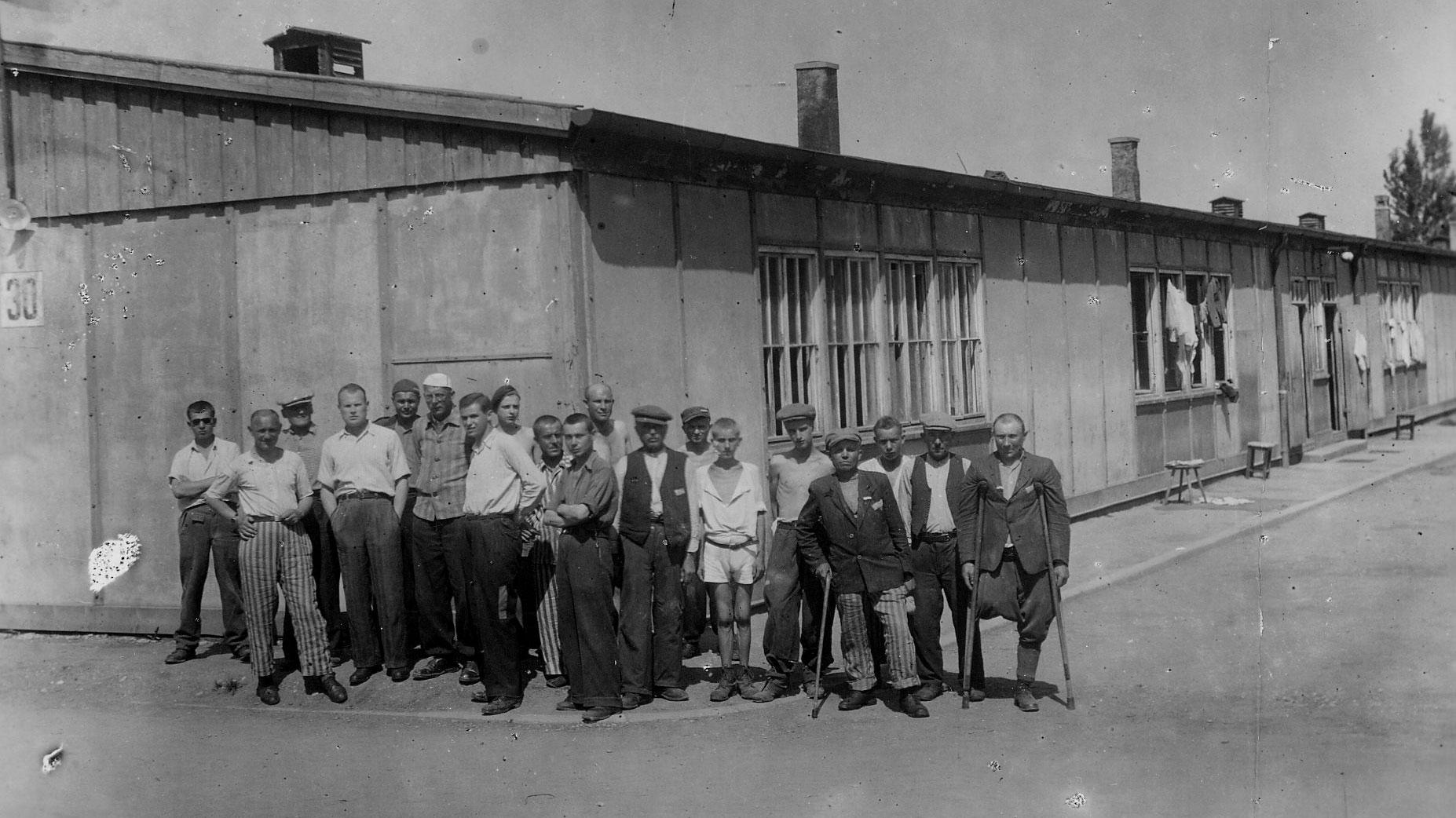
Dachau opened on March 22, 1933, weeks after Hitler assumed power, making it the first permanent Nazi concentration camp. Heinrich Himmler announced its establishment to house political prisoners—communists, socialists, and trade unionists—in a former munitions factory northwest of Munich. Theodor Eicke, appointed commandant in June 1933, transformed Dachau into the administrative and training model for the entire SS camp system. His regulations on prisoner punishment, guard conduct, and camp organization were replicated across occupied Europe. By 1934, the SS had standardized the layout: barracks arranged in strict rows, roll-call squares, and a gatehouse bearing the infamous slogan *Arbeit macht frei*. Dachau concentration camp tours from Munich today follow paths where more than 200,000 prisoners from across Europe were registered between 1933 and 1945. The camp's role evolved with Nazi ideology. After Kristallnacht in November 1938, over 10,000 Jewish men were interred at Dachau, enduring systematic brutality before many were released under coerced emigration. During the war, Dachau became a sprawling complex with 150 subcamps supplying forced labor to armaments factories. Medical experiments conducted by SS doctors—high-altitude tests, hypothermia trials, and malaria research—killed hundreds of prisoners. As Allied forces advanced in early 1945, death marches evacuated prisoners southward; thousands died of exhaustion and exposure. American troops liberated Dachau on April 29, 1945, discovering over 30,000 survivors and evidence of mass atrocities. More than 41,500 recorded deaths occurred at Dachau, though the true toll remains uncertain. Post-war, the site served as an internment camp for SS personnel, then housed refugees until 1965. Survivor groups, led by the Comité International de Dachau, campaigned for preservation. The memorial site opened in 1965, with the museum inaugurated in 1968 after contentious debates over how to present the camp's history. Exhibitions initially focused on political prisoners; later revisions incorporated the persecution of Jews, Roma, homosexuals, and Jehovah's Witnesses. The reconstructed barracks, crematorium, and museum archives now anchor dachau concentration camp tours from munich, serving as a site of remembrance and education. In 2003, a new permanent exhibition replaced outdated displays, emphasizing individual testimonies and historical documentation. The memorial receives over 900,000 visitors annually, many arriving via guided tours that contextualize Dachau's origins and its enduring significance in Holocaust memory.
Dachau opens as the first Nazi concentration camp under Himmler's command.
Theodor Eicke standardizes camp regulations, creating the SS blueprint for other camps.
Over 10,000 Jewish men imprisoned after Kristallnacht pogroms across Germany.
Dachau expands to 150 subcamps, supplying forced labor for the war economy.
U.S. Seventh Army liberates Dachau, finding 30,000 survivors and mass graves.
Memorial site opens after survivor advocacy and public debate over preservation.
Museum inaugurated with exhibitions documenting political persecution and camp operations.
Redesigned permanent exhibition incorporates testimonies and broadened victim narratives.
Stand directly in front of the wrought-iron gate at the entrance to the maintenance building to capture the iconic lettering. This perspective highlights the somber threshold of the memorial site when booking dachau concentration camp tours from munich.
Position yourself at the edge of the large gravel square to photograph the vast, open space where roll calls occurred. This wide shot conveys the scale of the camp and the bleakness of the surrounding barracks.
Frame the long, repetitive lines of the reconstructed prisoner barracks from a low angle to emphasize the architectural layout. These structures offer a clear view of the living conditions experienced by prisoners during the camp's operation.
Capture the exterior of the barrack X building and the surrounding gardens from the perimeter path. This quiet, somber area provides a necessary contrast to the main camp structures often seen on a dachau concentration camp tours from munich tour.
Stand on the central pathway facing the memorial sculpture to frame it against the sky and the camp surroundings. This site serves as a focal point for reflection and is frequently highlighted in dachau concentration camp tours from munich tickets.
Visiting the memorial site requires careful preparation to ensure a respectful and manageable experience for younger visitors. Planning ahead for dachau concentration camp tours from munich helps families navigate the expansive memorial grounds effectively.
The memorial site is generally recommended for children aged 14 and older due to the sensitive nature of the historical exhibitions. Parents should evaluate their child's emotional readiness before booking dachau concentration camp tours from munich tours.
Most areas of the camp are accessible with a stroller, though visitors should be prepared to navigate gravel paths throughout the memorial site. Keep in mind that heavy rain can make these surfaces uneven for wheel-based travel.
Baby-change facilities are available in the visitor center located at Alte Römerstraße 75, 85221 Dachau, Germany. Check with staff upon arrival for the specific location of these amenities near the entrance.
The site covers a large area, so plan for significant walking during your dachau concentration camp tours from munich tour. We recommend focusing on the main exhibition and memorial grounds to avoid overwhelming younger guests.
To manage a family visit, we suggest arriving during the best arrival window: 09:00–11:00. This early start allows you to experience the site at a steady pace before afternoon crowds arrive, which is helpful when purchasing dachau concentration camp tours from munich tickets on-site or using independent transport.
Visitors participating in dachau concentration camp tours from munich will find limited dining facilities directly at the memorial site, making it helpful to plan around these local options. Most guests choose to eat before or after their memorial visit, as dining choices near the Alte Römerstraße 75 site are sparse.
Located within the visitor center, this bistro offers simple snacks, sandwiches, and beverages for a quick pause. It is a practical choice for those with tight schedules on organized dachau concentration camp tours from munich tours.
Everything you need to know for your journey
The Dachau Concentration Camp Memorial Site has an entrance fee of 0 EUR (Free entry to the memorial site).
The memorial is open Monday to Sunday from 09:00–17:00.
For the best experience, arrive early on weekdays between 09:00–11:00 to avoid crowds.
Photography for personal use is allowed in outdoor areas and the museum, but tripods are prohibited.
Small bags are allowed, but large luggage must be stored in on-site lockers.
The most convenient way is to take the S-Bahn line S2 from Munich followed by the 726 bus.
Yes, the site provides barrier-free access to major exhibition halls and memorial areas.
While not forbidden, it is generally recommended to refrain from bringing children under 14 years old.
There is a bistro at the visitor center, though consumption is not allowed within the exhibition areas.
Yes, independent guided tours are available to help navigate the history of the site.
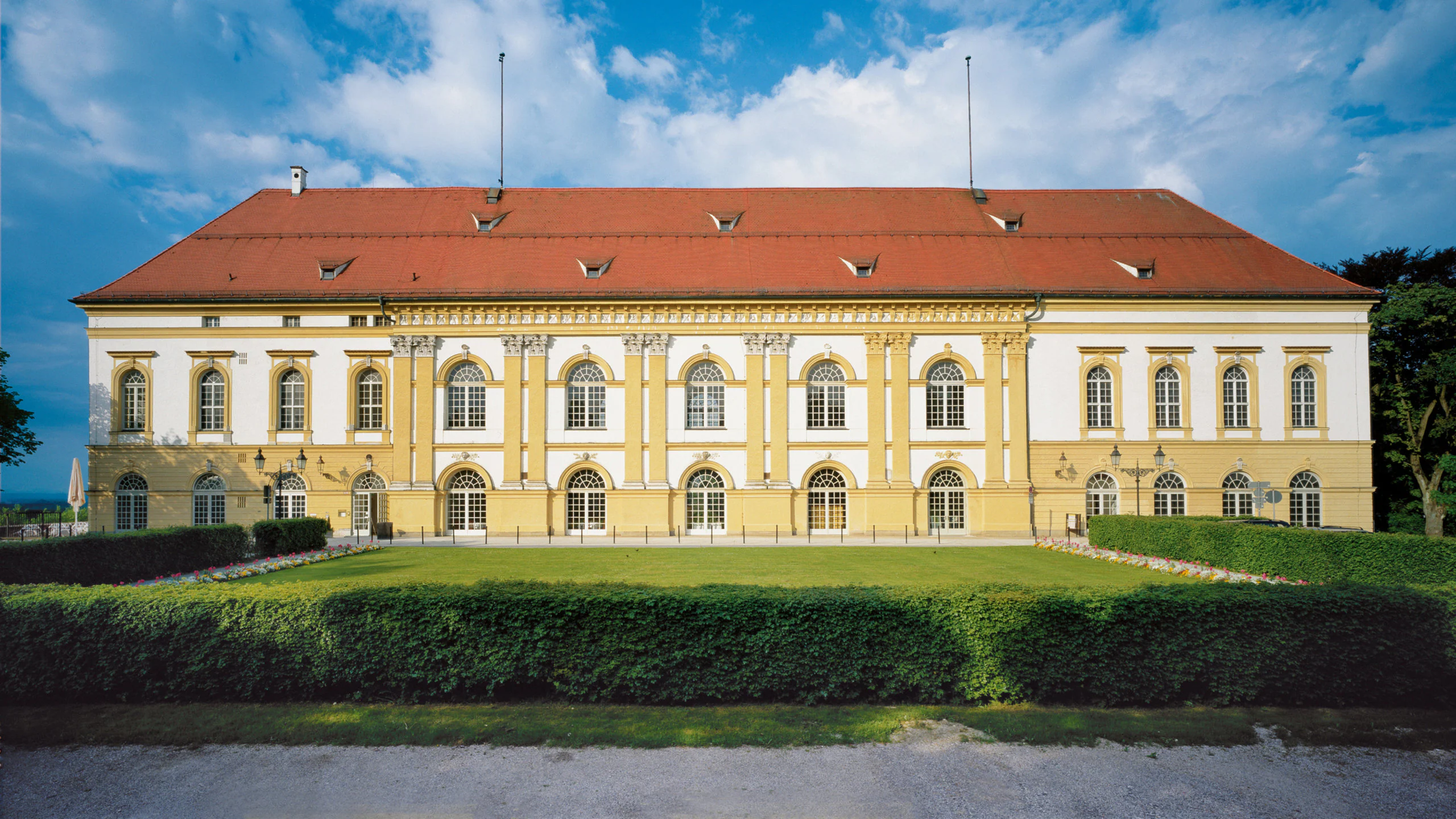
A 16th-century palace offering views of the city and gardens.
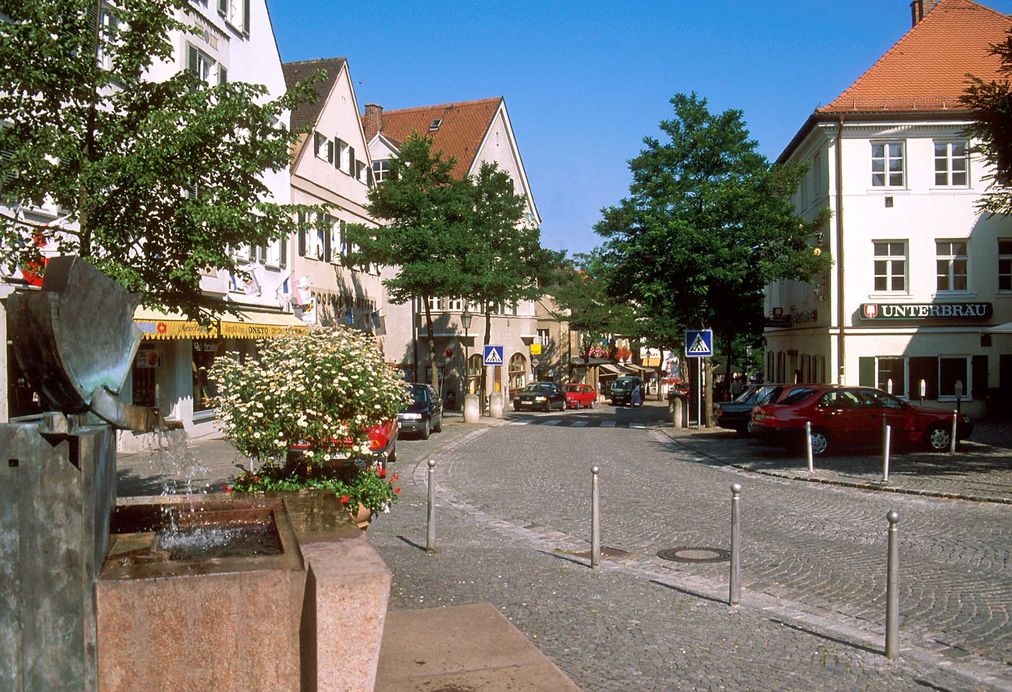
Charming historic streets with traditional Bavarian architecture.
An 18th-century church located in the historic center.
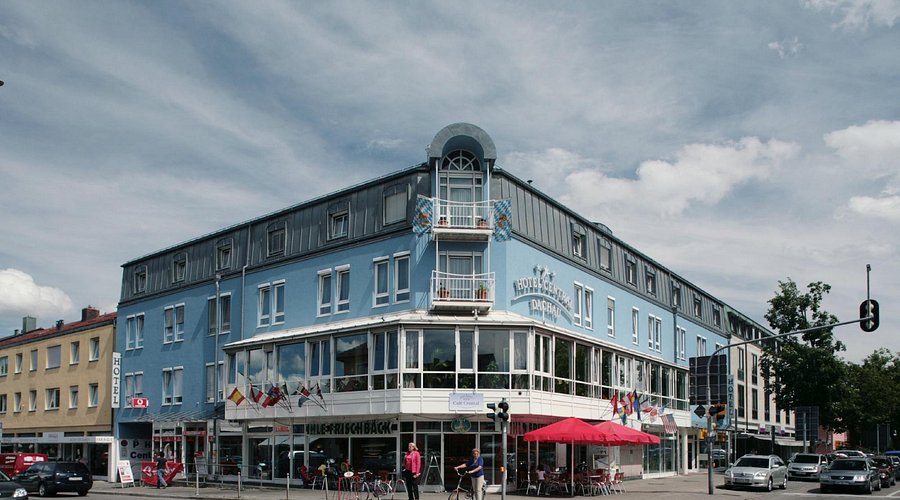
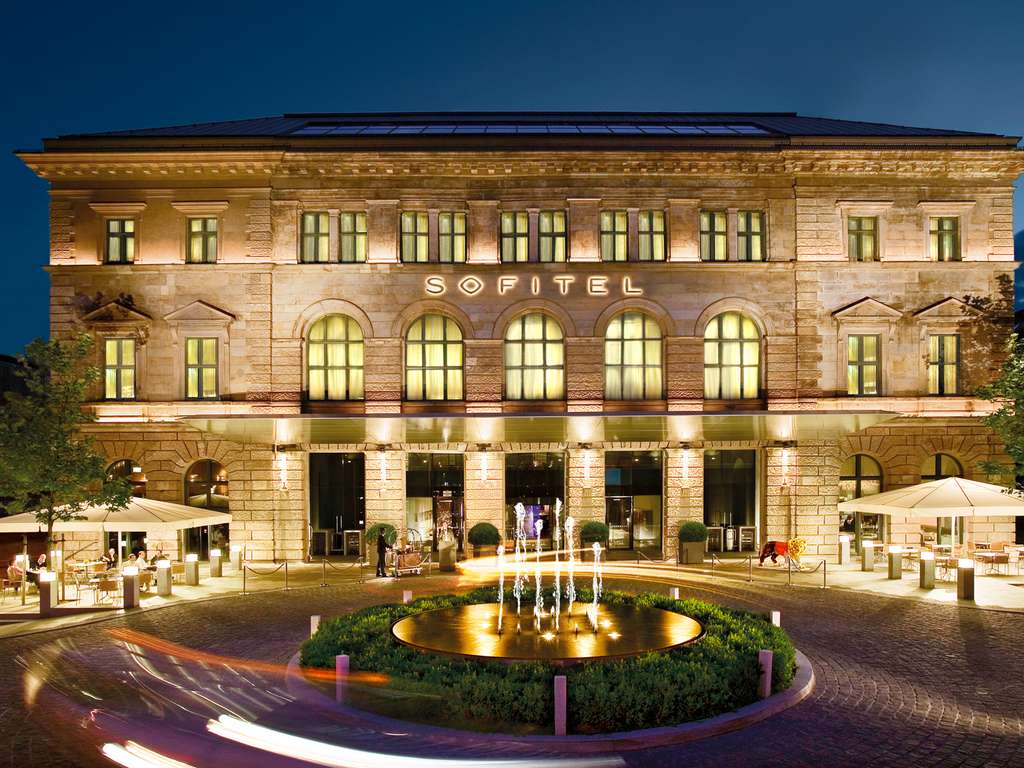
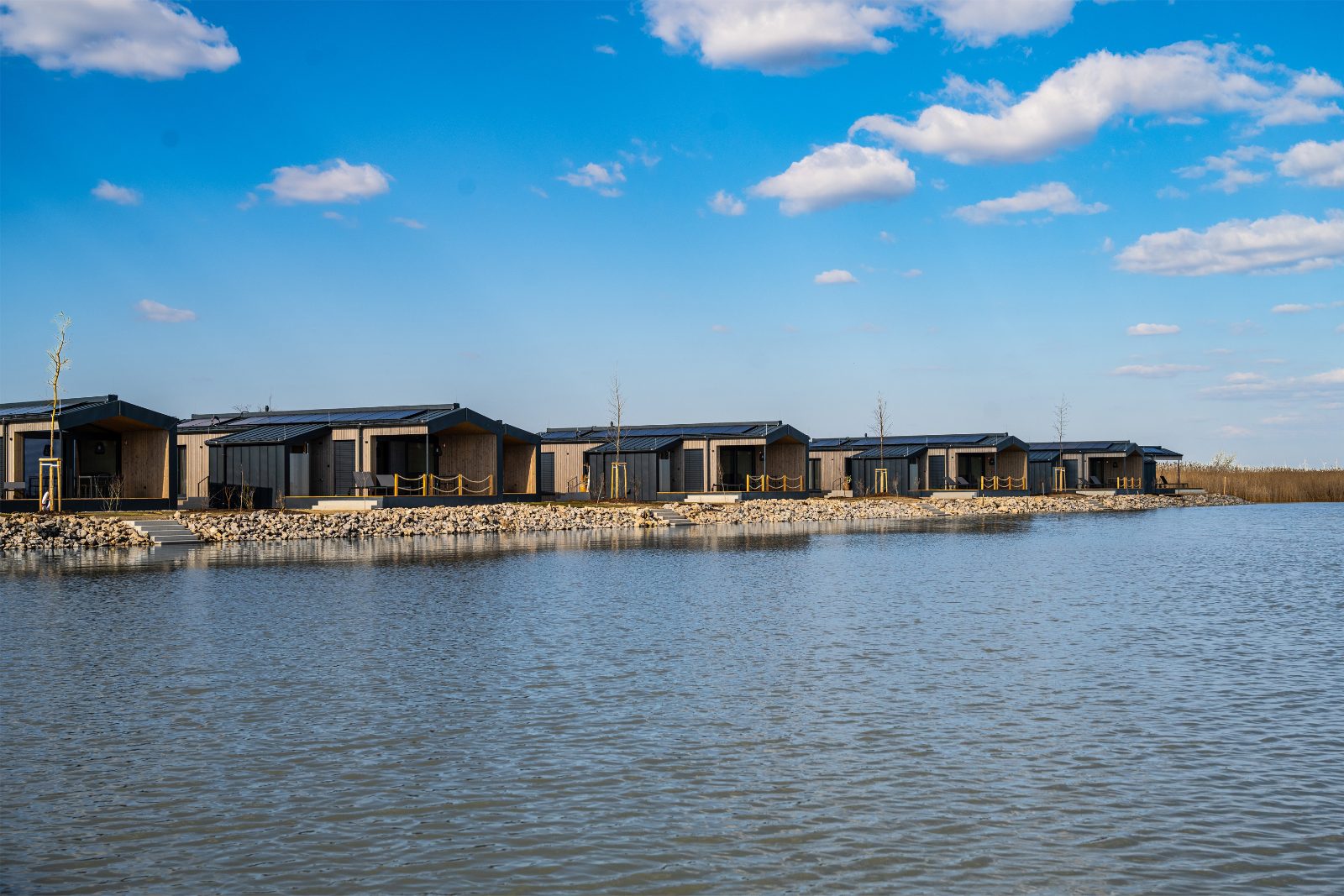
Modern hotel located in the town of Dachau.
Wide range of hotels near the departure hub.
Simple lodging options near the S-Bahn station.
Join thousands of happy travelers who have discovered this incredible experience
Book Your Experience Now