

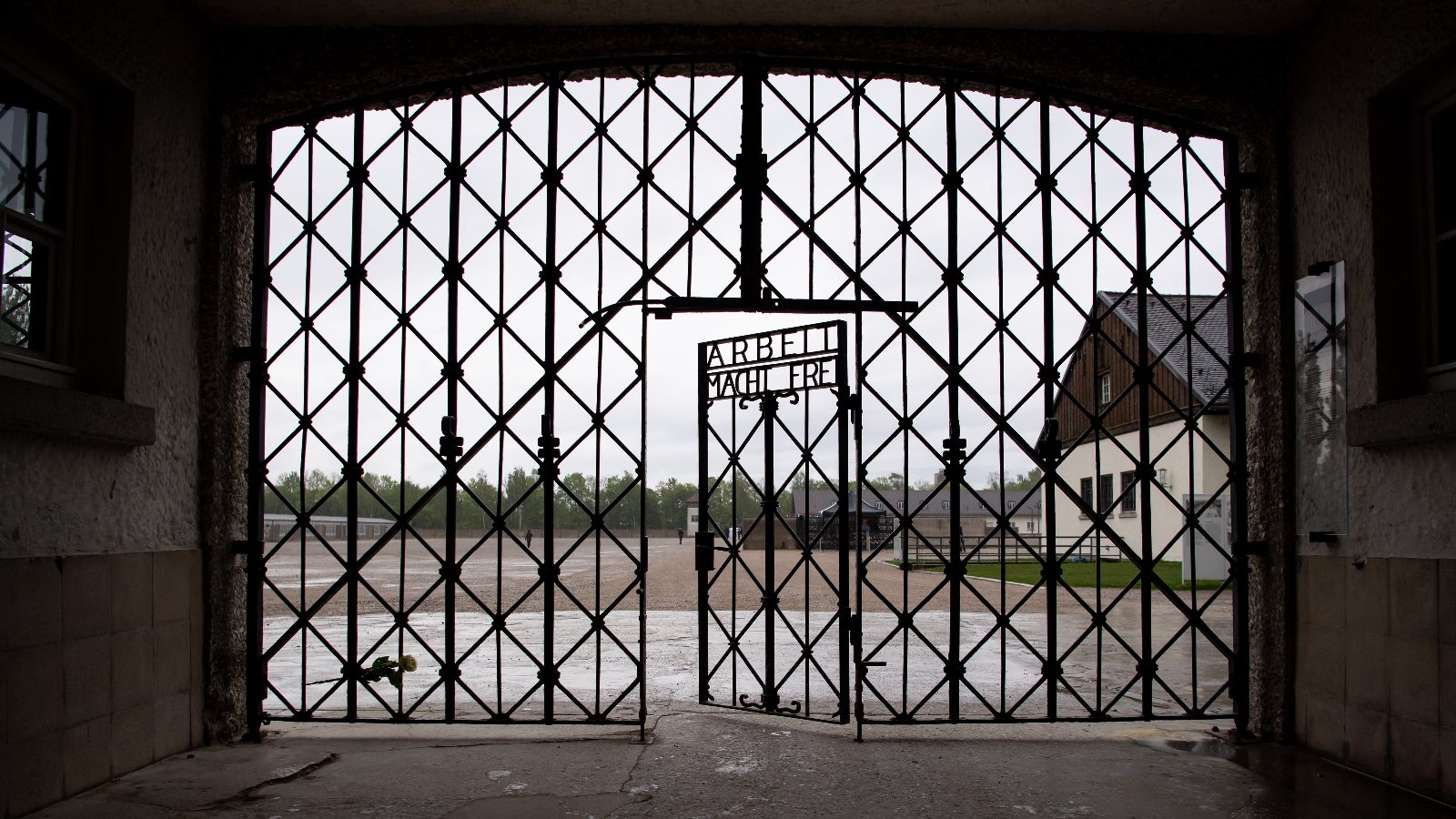
Quick answer
Yes, Dachau is worth visiting for those seeking to understand the realities of the Holocaust and honor the memory of its victims. The memorial offers free entry and operates daily from 09:00 to 17:00, providing an educational experience through preserved barracks, exhibition halls, and documented testimonies. The visit requires emotional preparation and typically takes three to four hours to experience respectfully.
More than 41,000 people were murdered at Dachau between 1933 and 1945, and over 200,000 prisoners from across Europe passed through its gates. The memorial site opened in 1965 on the grounds of the original camp, transforming what had been a site of atrocity into a place of historical education and collective memory. Visiting Dachau concentration camp memorial confronts visitors with the documented reality of systematic persecution and genocide. The permanent exhibition traces the camp's establishment under Heinrich Himmler through its liberation by American forces in April 1945. Reconstructed barracks stand where prisoners once endured forced labor and deliberate starvation. The crematorium area, preserved in its original state, provides stark evidence of the camp's final phase. International memorials representing the thirty nations whose citizens were imprisoned here line the main road, each acknowledging specific national suffering within the broader Holocaust narrative. The experience differs fundamentally from typical museum visits. The site operates as both historical archive and sacred ground, where the documented testimonies of survivors provide firsthand accounts of daily existence under the SS guard system. The barrack reconstructions show the progression from individual cells to mass dormitories as prisoner numbers swelled beyond capacity. The roll-call square, where prisoners stood for hours in all weather, extends across the camp's central axis. Whether visiting Dachau memorial is worth it depends on your readiness to engage with difficult history without the mediation of entertainment or comfort. The site offers no mitigation of its subject matter, no softening of the documented record. It asks visitors to witness, to remember, and to carry forward an understanding of what occurred when a modern state apparatus turned toward the deliberate destruction of human beings it had categorized as undesirable.
“The memorial preserves not only the physical structures but the documented testimonies of those who survived to bear witness.”
Is Dachau Worth Visiting: How to Plan Your Time
A meaningful visit to Dachau requires 3–5 hours to absorb the main exhibition, walk the camp grounds, and visit the memorial areas. This chronological itinerary allows time for reflection while covering the essential sites.
Visitor Center and Introduction
Begin at the visitor center near the entrance to collect a site map and decide whether to rent an audio guide (available in multiple languages, nominal fee). Budget 15–20 minutes before entering the memorial grounds.
Museum Exhibition
Walk through the permanent exhibition in the former maintenance building, which documents the camp's history through photographs, testimonies, and artifacts. Allow 90–120 minutes; the detailed narratives require concentration.
Camp Grounds and Barracks
Cross the roll-call square to the reconstructed barracks, which show prisoners' living conditions, then walk the perimeter path past foundation outlines of the demolished barracks. The scale of the site becomes clear here; budget 45–60 minutes.
Religious Memorials
Visit the Jewish memorial, Catholic Mortal Agony of Christ chapel, Protestant Church of Reconciliation, and Carmelite convent at the camp's edge. Each offers space for quiet reflection; allow 30–40 minutes total.
Crematorium Area
Walk to the far end of the grounds to see the old and new crematorium buildings and the execution area beyond. This is the most harrowing part of the visit; allow 30–45 minutes and expect emotional weight.
Best Time to Visit Dachau to Avoid Crowds
The best arrival window is 09:00–11:00, as arriving early helps avoid larger crowds and allows sufficient time for the multi-hour visit. Planning your visit for these morning hours ensures a more reflective experience throughout the memorial site.
Weekday mornings
Minimal—
Mid-week visits offer the quietest atmosphere for walking through the grounds.
Spring (April-May)
ModerateMild 10°C to 18°C
The site is comfortable to navigate before the heat of summer.
Autumn (October)
ModerateCool 8°C to 15°C
Visitor numbers often decrease compared to the peak summer months.
Summer (June-August)
HighWarm 15°C to 25°C
Expect the largest crowds during these months, necessitating an early arrival.
Verdict: The best time to visit is Tuesday to Thursday, arriving at 09:00, during the shoulder months of April or October.
Is Dachau Worth Visiting Given the Entrance Fees?
The Dachau Concentration Camp Memorial Site is operated as a place of education and remembrance. Access to the grounds and the permanent exhibition is provided to all visitors without an admission charge.
A typical adult pays 0 EUR to enter, though some visitors choose to arrange guided educational services independently.
Is Dachau Worth Visiting: Directions and Arrival
The Dachau Concentration Camp Memorial Site is located at Alte Römerstraße 75, 85221 Dachau, Germany. The most straightforward way to reach the site from central Munich is by using the local public transportation network.
S-Bahn line S2 towards Dachau/Petershausen to Dachau station
Line 726 from Dachau station towards Saubachsiedlung to the Gedenkstätte stop
A8 or A9 motorways, following signs for Dachau
Etiquette for Visitors: Is Dachau Worth Visiting with Respect
Dachau is a memorial to those who suffered and died here. Visitors are expected to conduct themselves with the solemnity appropriate to a site of mass atrocity and to respect the memory of victims.
Do
- Dress modestly and appropriately for a memorial site.
- Maintain silence or speak quietly throughout the grounds.
- Turn off phone ringers and notifications before entering.
- Remove hats when entering indoor exhibition spaces.
- Ask permission before photographing other visitors.
- Allow space for personal reflection at monuments and memorials.
Don't
- Don't take selfies or pose for casual photographs.
- Don't eat, drink, or smoke on the memorial grounds.
- Don't let children run or play in the memorial areas.
- Don't touch or climb on monuments, sculptures, or structures.
- Don't use flash photography inside the museum buildings.
- Don't wear clothing with offensive slogans or symbols.
Key Memorial Areas when Deciding Is Dachau Worth Visiting
The Dachau Concentration Camp Memorial Site encompasses several distinct areas that provide insight into the camp's history and operation. These sections are preserved to facilitate an understanding of the site's scale and the conditions experienced by those imprisoned here.
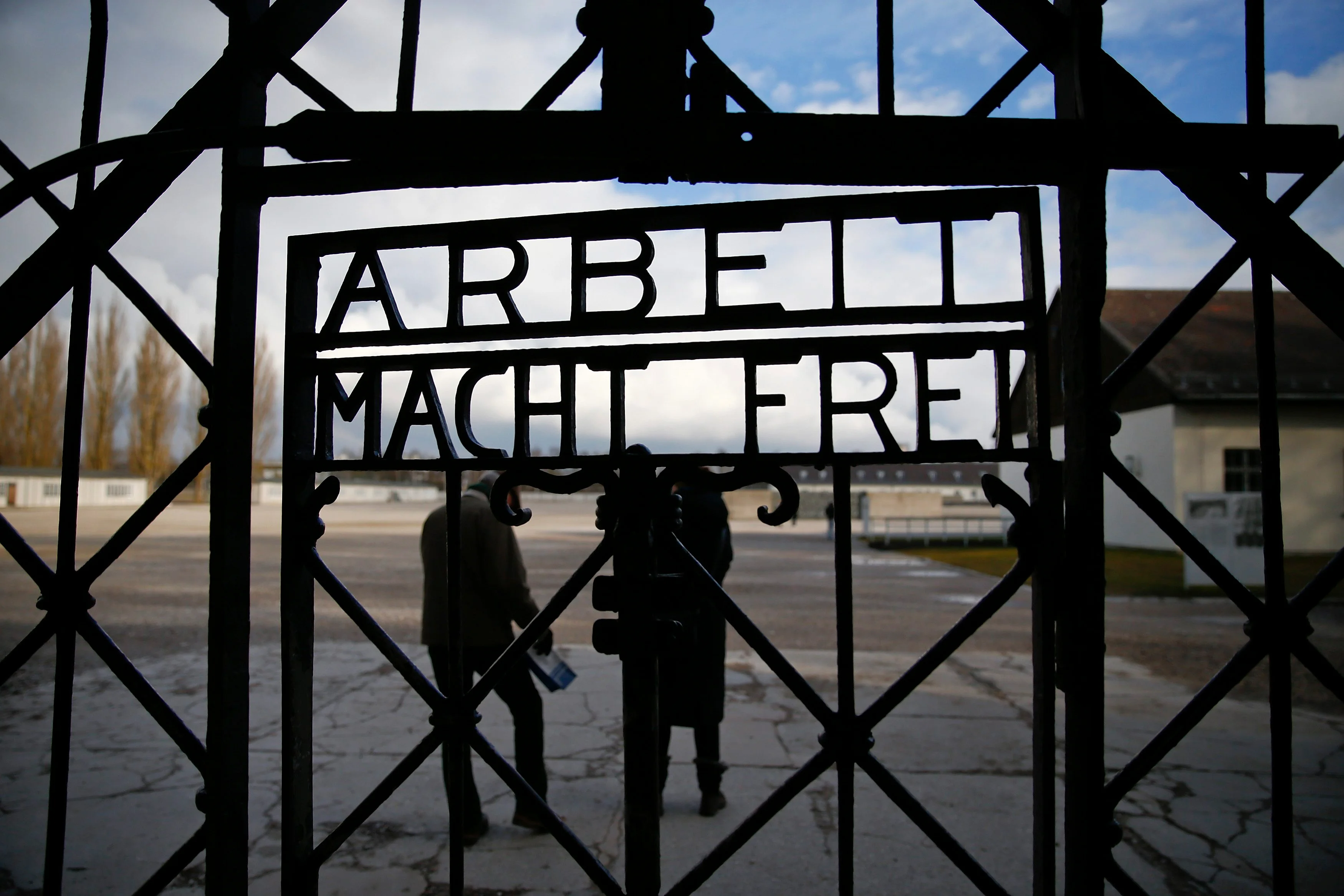
Jourhaus
The original entrance building served as the gateway for prisoners entering the camp. It features the gate with the inscription that became a symbol of the camp system.
View the gate from the outside before entering the main grounds.
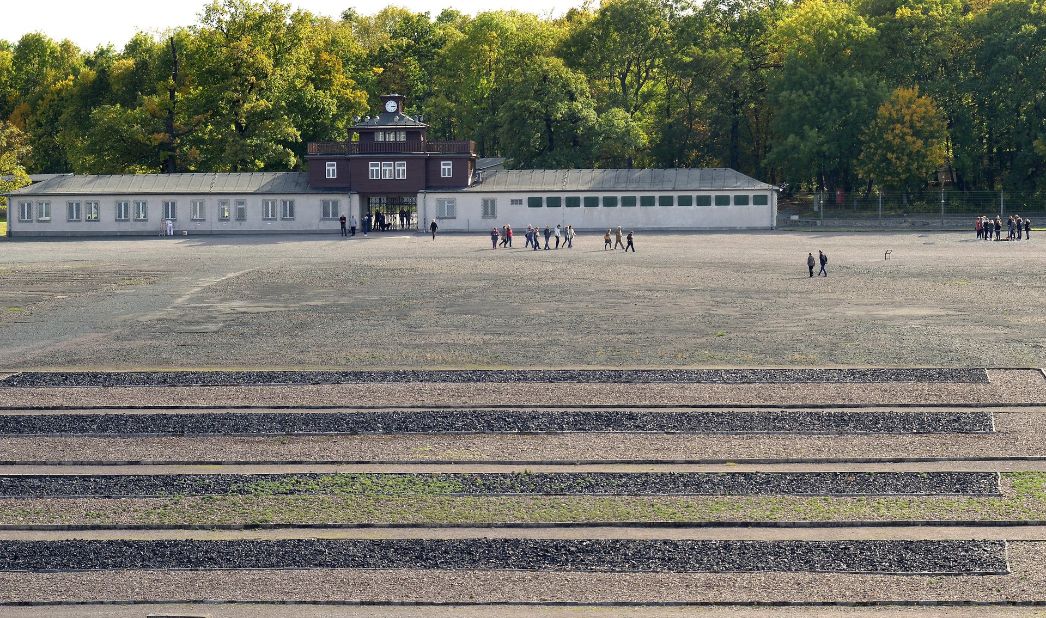
Appellplatz
The large gravel area where prisoners were forced to stand for long roll-call procedures, often regardless of weather conditions. It remains as an open space to illustrate the scale of daily prisoner assemblies.
Stand at the edge to grasp the size of the square.
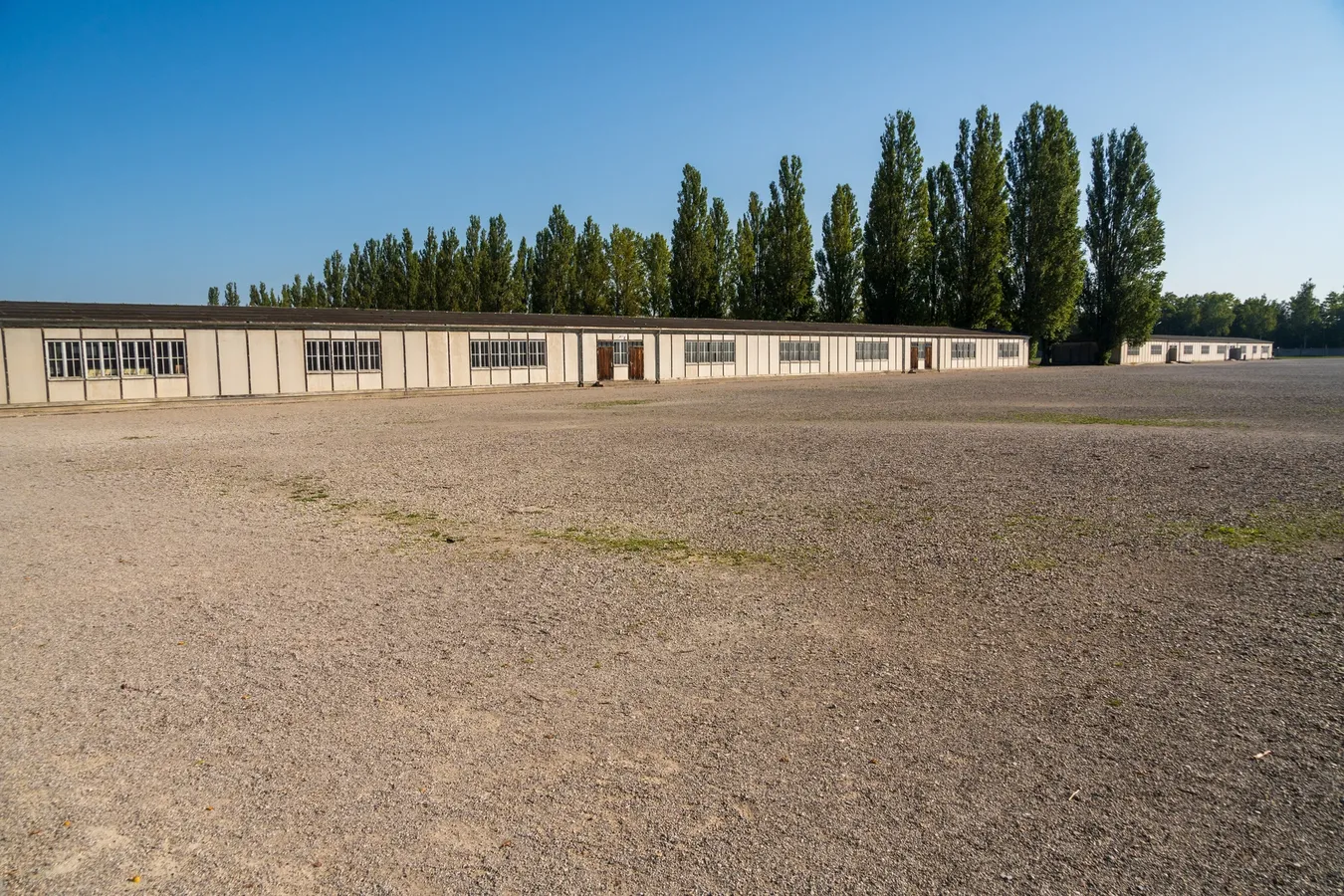
Barracks Area
This section contains reconstructed barracks that demonstrate the living conditions and overcrowding within the camp. Only two original foundations remain, providing a sense of the former footprint.
Walk the gravel paths between the rows of foundations.
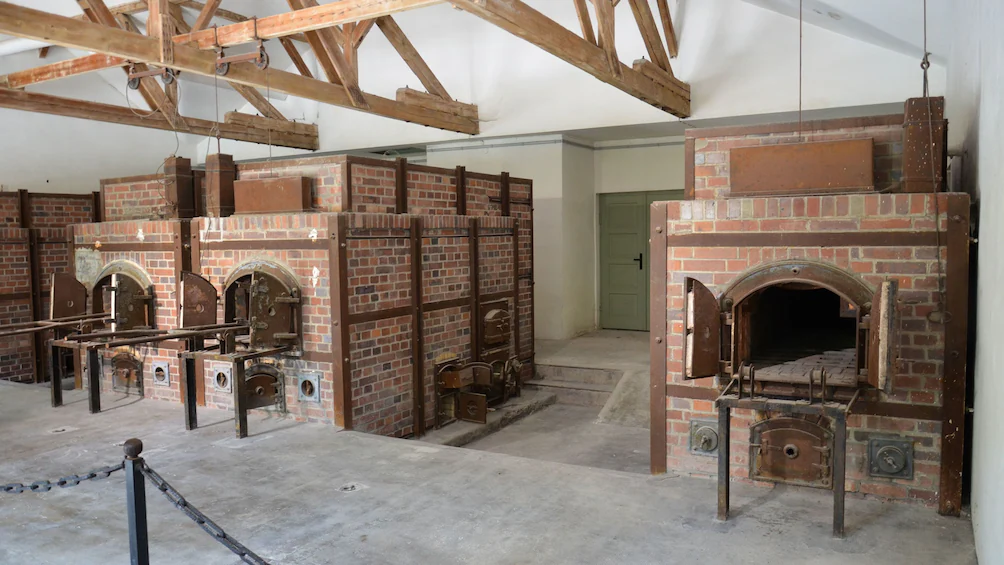
Crematorium Area
Located outside the main prisoner camp, this area includes Barrack X with its gas chamber and ovens. It is maintained as a place of quiet reflection.
Visit this area last as it is located away from the main camp.
Check availability
Common questions: is dachau worth visiting
Everything you need to know about is dachau worth visiting