5 hr
Dachau Memorial Site Half-Day Tour from Munich
- Expert local guide
- Small group
- Skip-the-line access
- Free cancellation
Dachau Concentration Camp Private Tour — Expert-Led Historical Visits
Personal historians guide you through preserved testimony, witness chambers in quiet reflection
Compare fares, pick the fit — all bookings are mobile-voucher and eligible for free cancellation where shown.
5 hr
5 hr
6 hr
Choosing a dachau concentration camp private tour or official public guided session helps provide historical depth to your visit to this important site. Whether you prefer the structure of a group experience or a flexible individual visit, the memorial offers distinct ways to engage with its history.
| Individual Visit Official Guided Tour | Self-guided exploration Educational group program | |
|---|---|---|
| Entrance fee | 0 EUR | 0 EUR |
| Access method | Walk-up (Free) | Visitors' Center tickets |
| Time required | 3–4 hours | 2.5 hours |
| Availability | Daily 09:00–17:00 | Daily (11:00, 13:00) |
| Included areas | Memorial grounds and exhibitions | Grounds, buildings, and exhibitions |
| Best for | Self-paced reflection | Structured historical learning |
Verdict: For most first-time visitors, the official guided dachau concentration camp private tour tickets provide essential context, though many also appreciate the independence of a self-guided visit with an audio guide.
Worth it for deeper historical understanding
The memorial site itself is free to enter, but a dachau concentration camp private tour delivers structured historical context that self-guided visitors often miss. These small-group or private experiences typically include round-trip transport from Munich, eliminating S-bahn transfers and the 726 bus connection that confuse first-timers. Expert historians guide you through the crematorium, barracks reconstructions, and exhibition halls with testimonies and archival detail that ground the scale of what happened here between 1933 and 1945. The pacing allows for questions and reflection without the rush of large coach groups that dominate midday hours. Half-day dachau concentration camp private tour tours run around four to five hours total, while full-day options add broader Third Reich context through Munich stops. Spanish-language departures serve non-English speakers who would otherwise rely on static signage. For visitors who want curated narrative depth rather than navigating alone through emotionally heavy exhibits, the investment pays off in comprehension and respect for the site's gravity.
Bottom line: If historical depth matters more than solo exploration, guided dachau concentration camp private tour tickets transform a difficult visit into an informed act of remembrance.
A private Dachau concentration camp private tour offers curated historical context, whereas independent exploration allows for personal reflection at your own pace.
|
Top pick Private Tour |
Self-Guided Visit | |
|---|---|---|
| Historical depth | Professional narration included | Exhibition panels only |
| Logistics | Organized transport provided | Visitor arranges travel |
| Pace | Guided schedule | Personalized tempo |
| Price | Varies by provider | 0 EUR (Free entry) |
| Duration | Structured 2.5–5.5 hours | Flexible half-day |
| Best arrival window | 09:00–11:00 | 09:00–11:00 |
| Atmosphere | Group-focused education | Quiet individual contemplation |
| Booking requirements | Pre-booking recommended | No reservation necessary |
| See tickets & prices |
Verdict: Those prioritizing deep historical narrative should book a dachau concentration camp private tour, while those who prefer independent research and quiet reflection will appreciate the freedom of a self-guided experience.
Hand-picked experiences loved by thousands of travelers
5 hours
Free Cancellation
Journey to this historic memorial with an expert guide for a profound exploration of its grounds and exhibits
5 hours
Free Cancellation
Explore the first Nazi camp with licensed guides. A profound historical journey 30 minutes from Munich.
6 hours
Free Cancellation
Beat the crowds with an 8:30 AM start at Germany's first concentration camp, followed by a walk through historic Dachau town
8 hours
Free Cancellation
Explore Munich's Nazi-era sites and visit Dachau Memorial with a licensed guide on this comprehensive 8-hour journey
6 hours
Free Cancellation
Private guided visit to Germany's first concentration camp with expert historian and car transfers
4.5 hours
Free Cancellation
Visit the first Nazi camp on this guided half-day excursion with personalized commentary and train travel
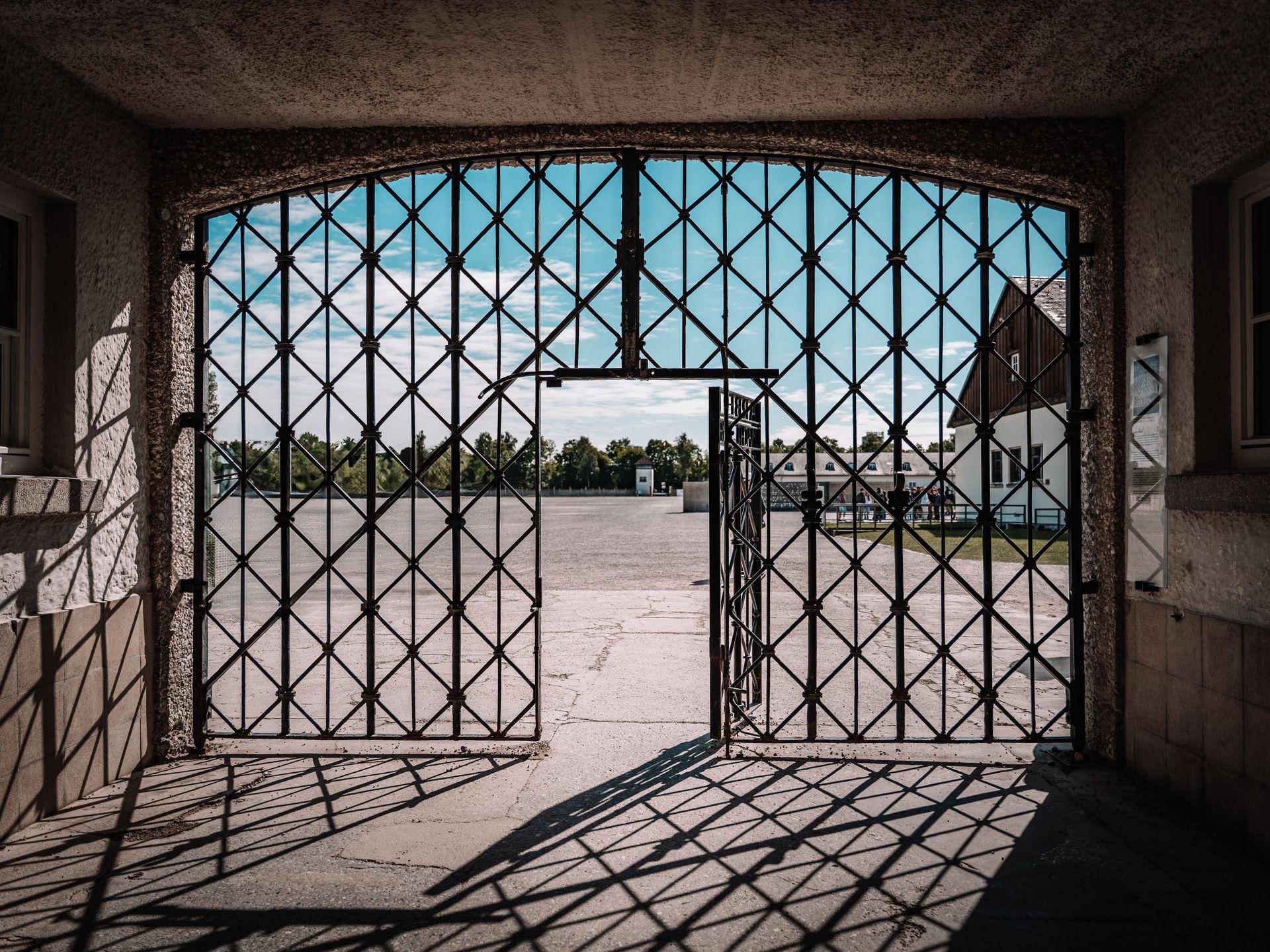
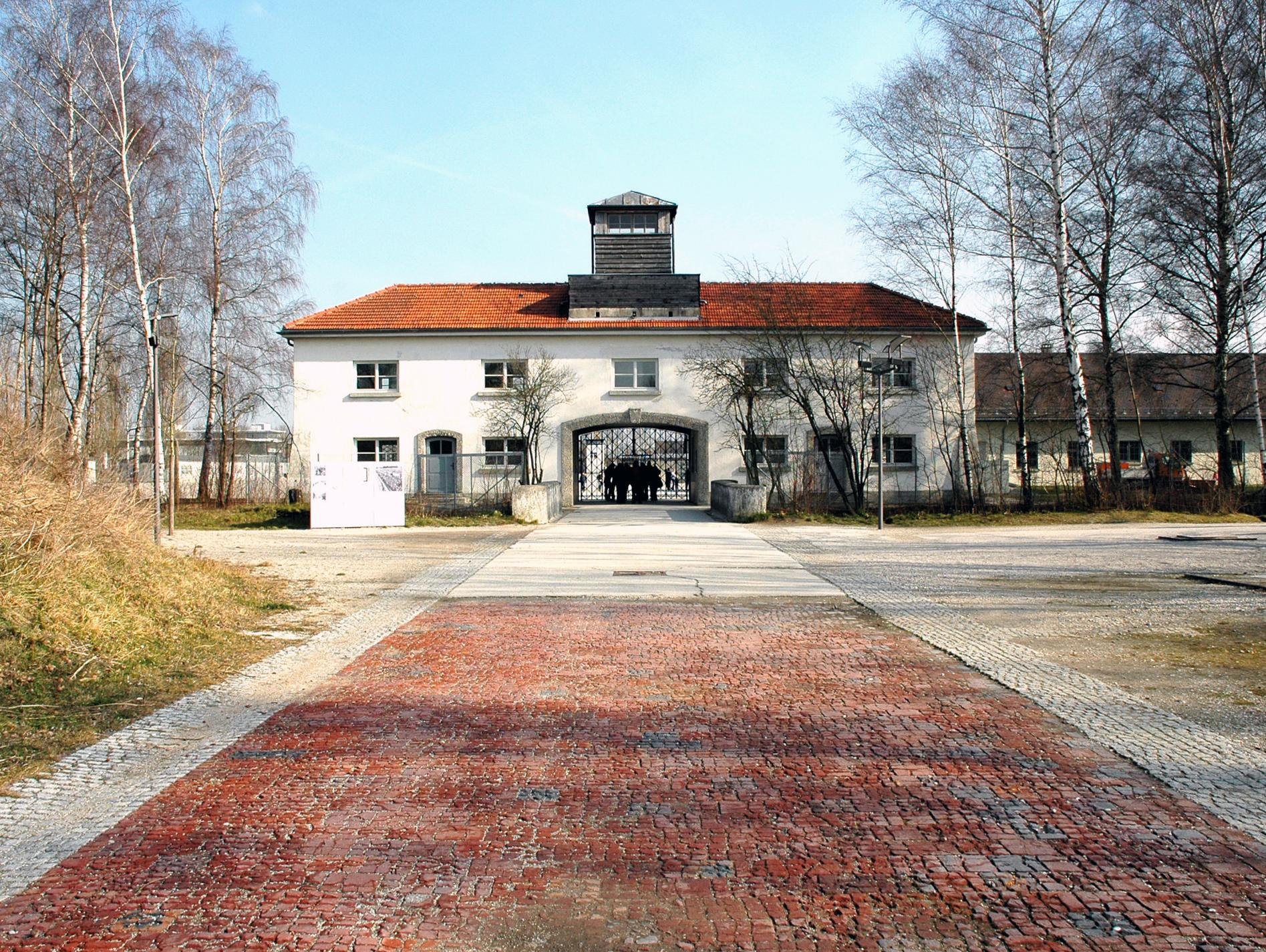
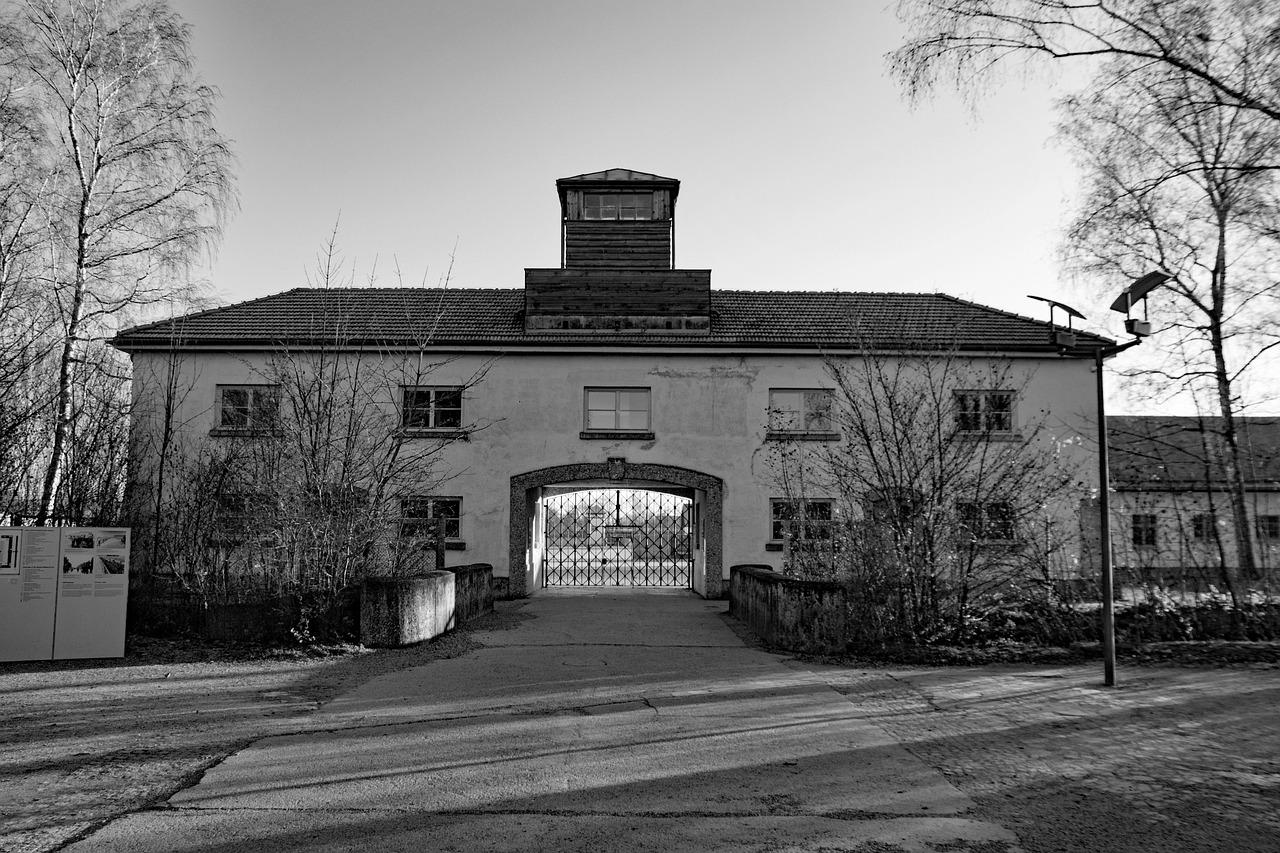
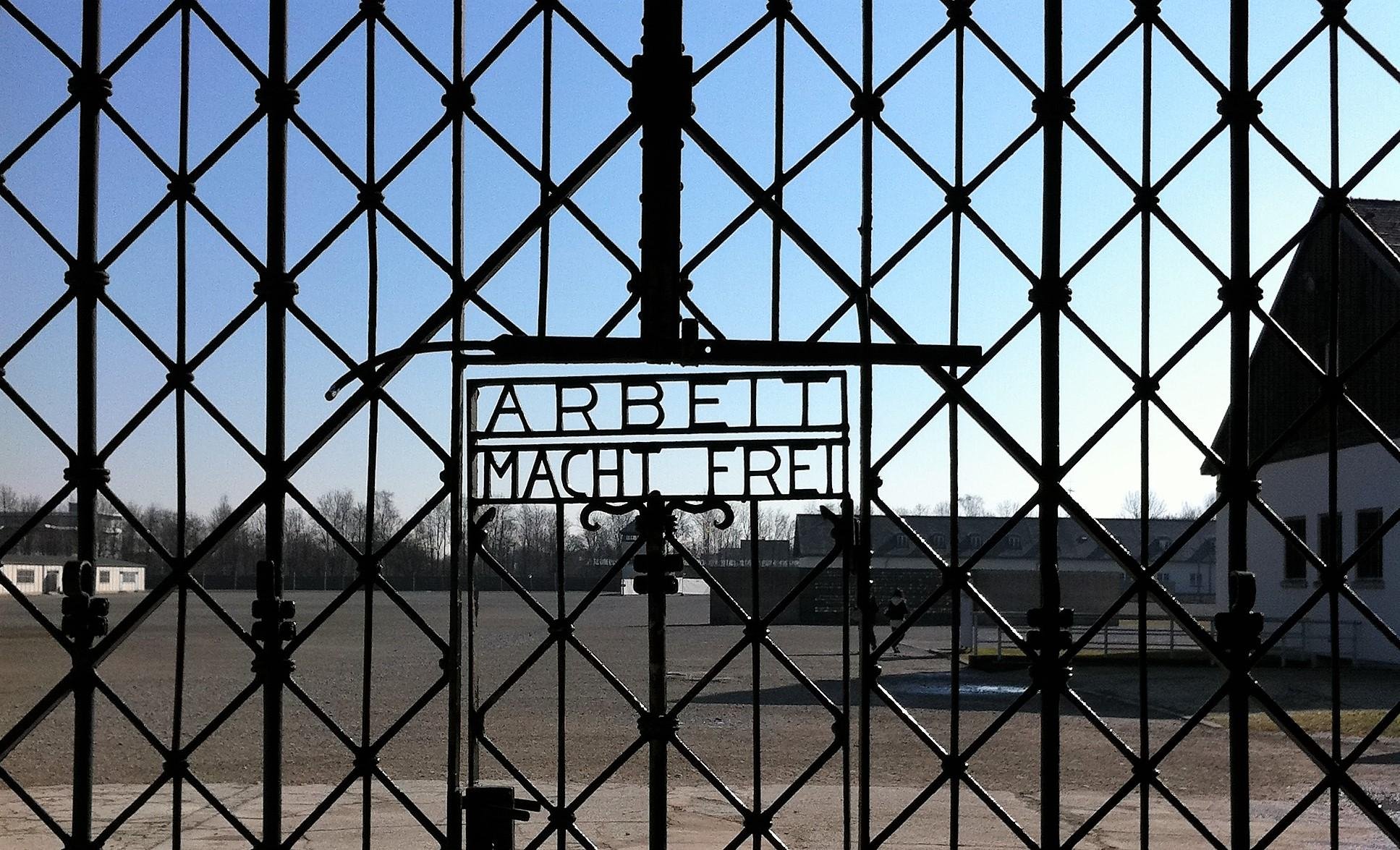
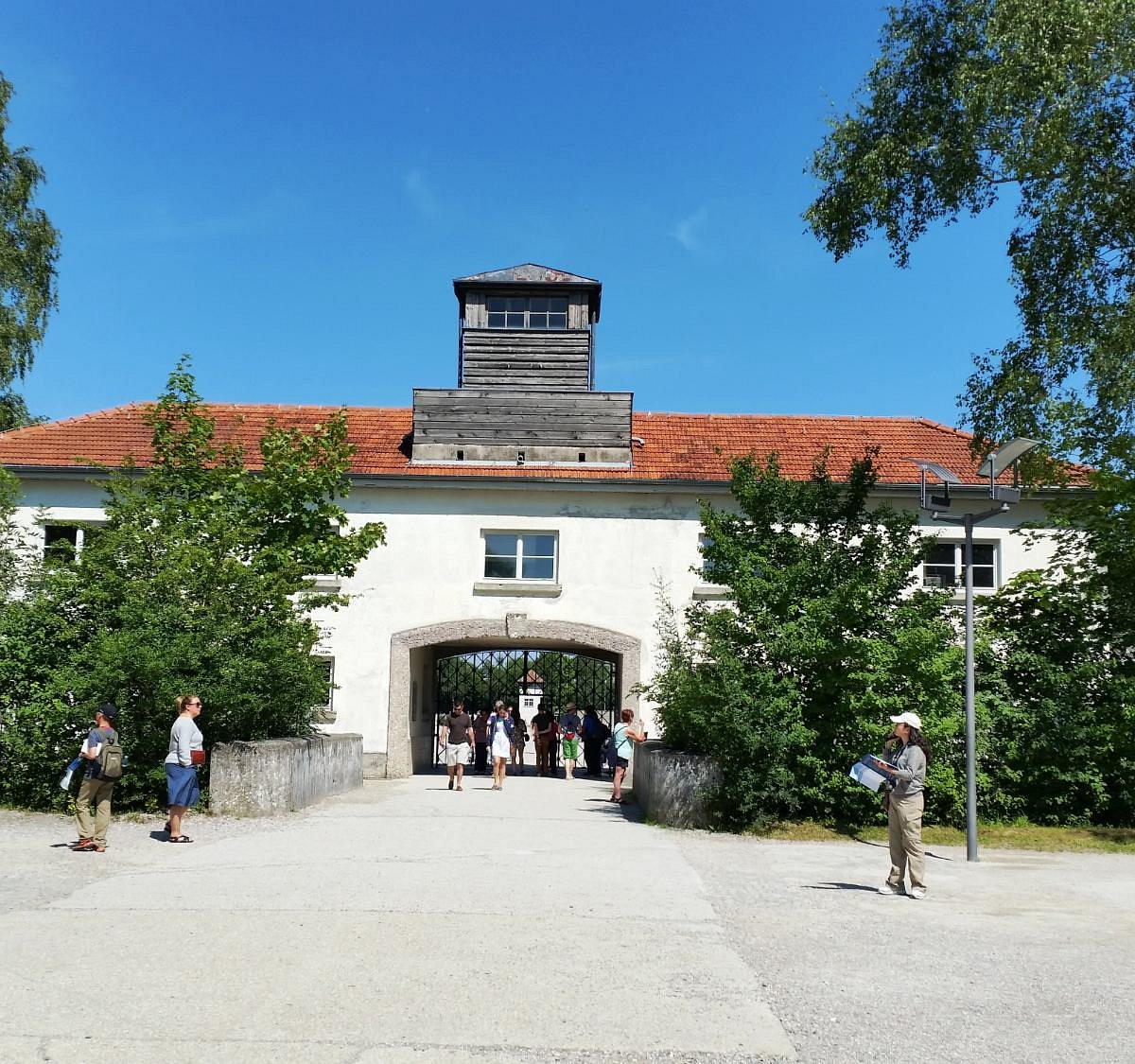
The main entrance building features the gate with the infamous inscription. It served as the gateway to the prisoner camp
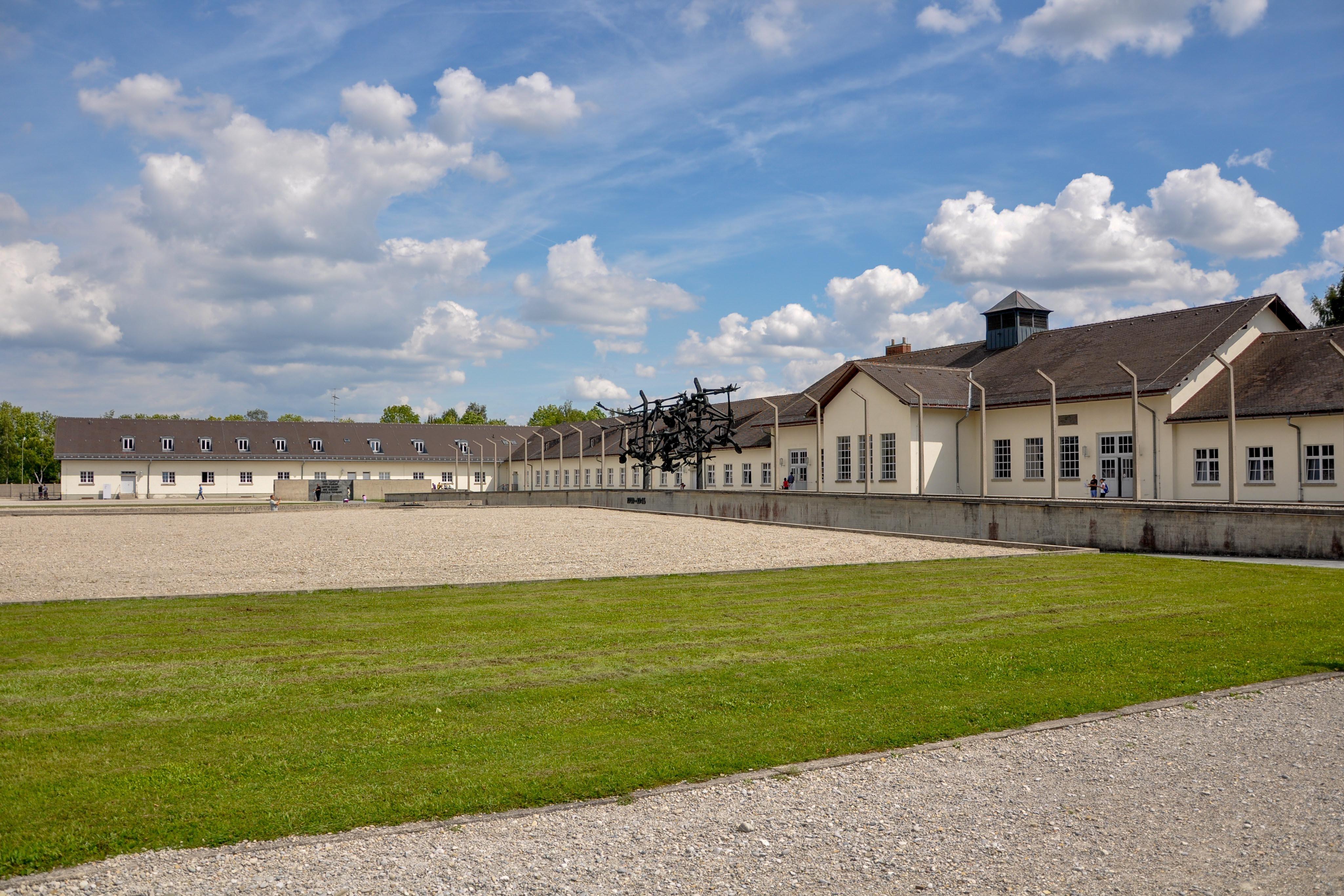
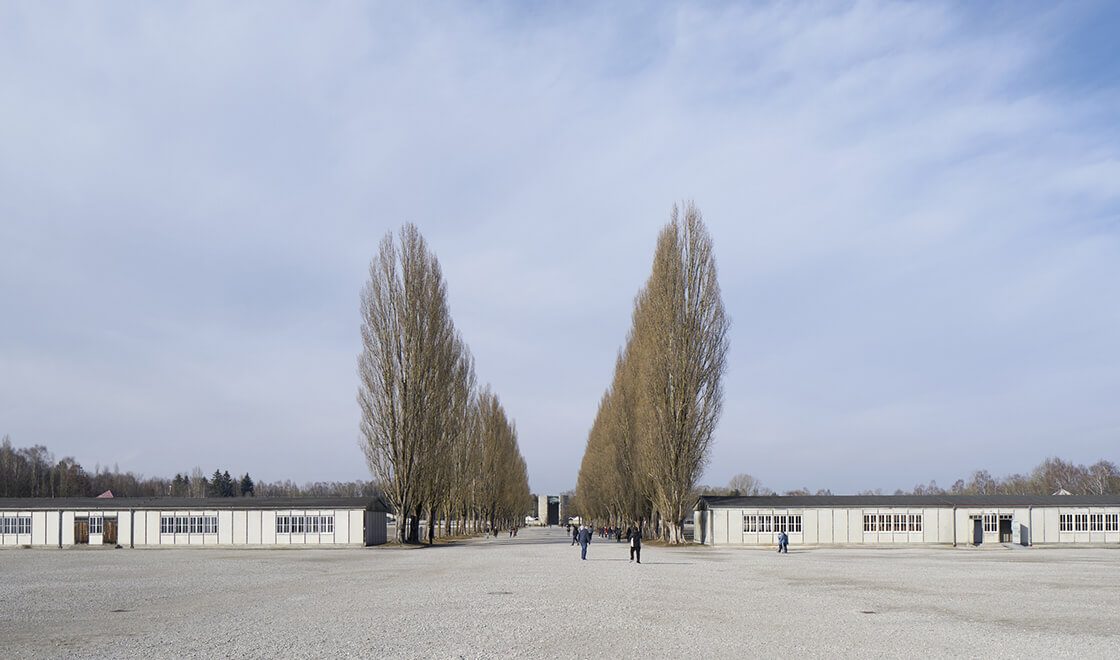
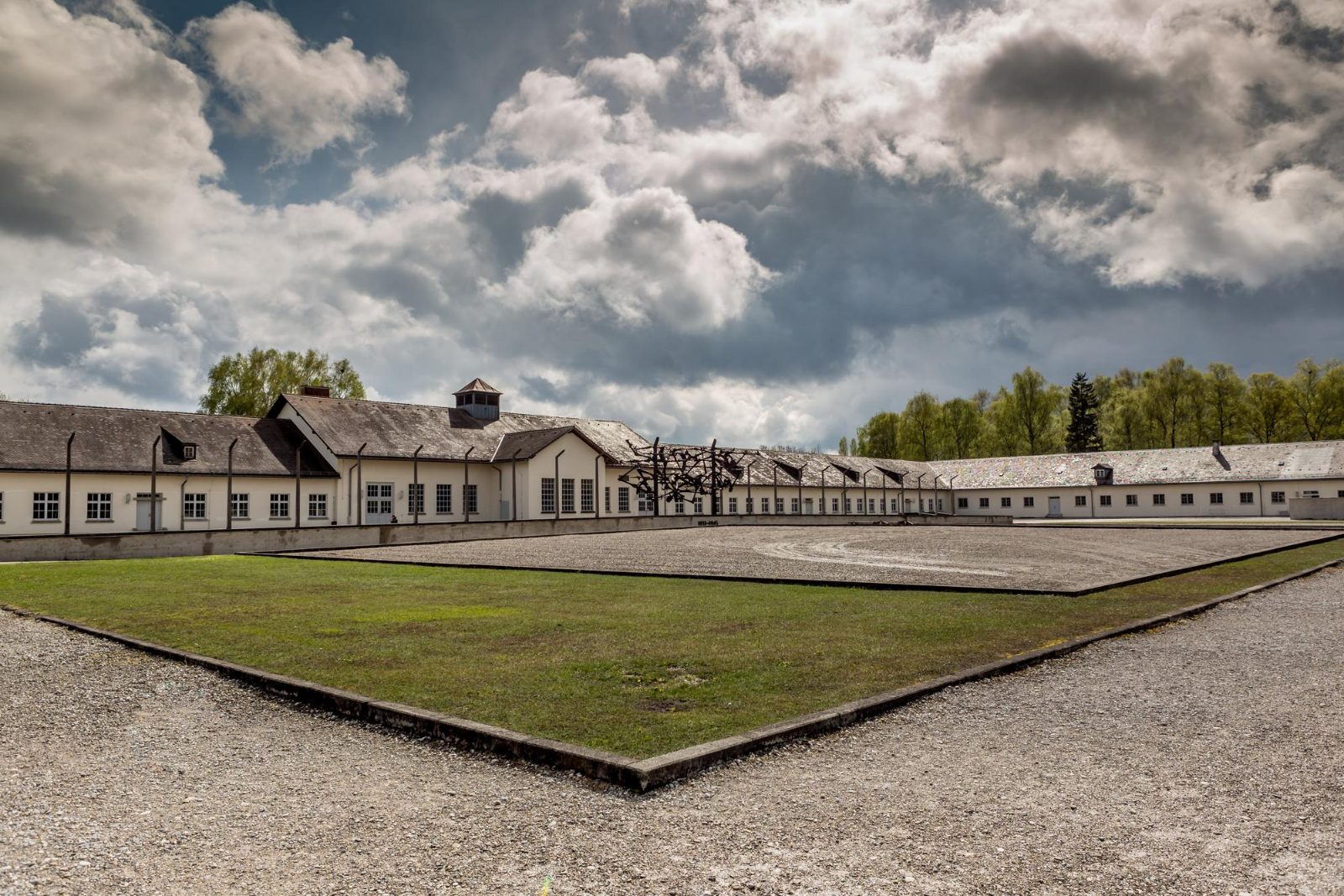
This expansive area was used for daily counts and punishments. Thousands of prisoners stood here for hours in all weather conditions
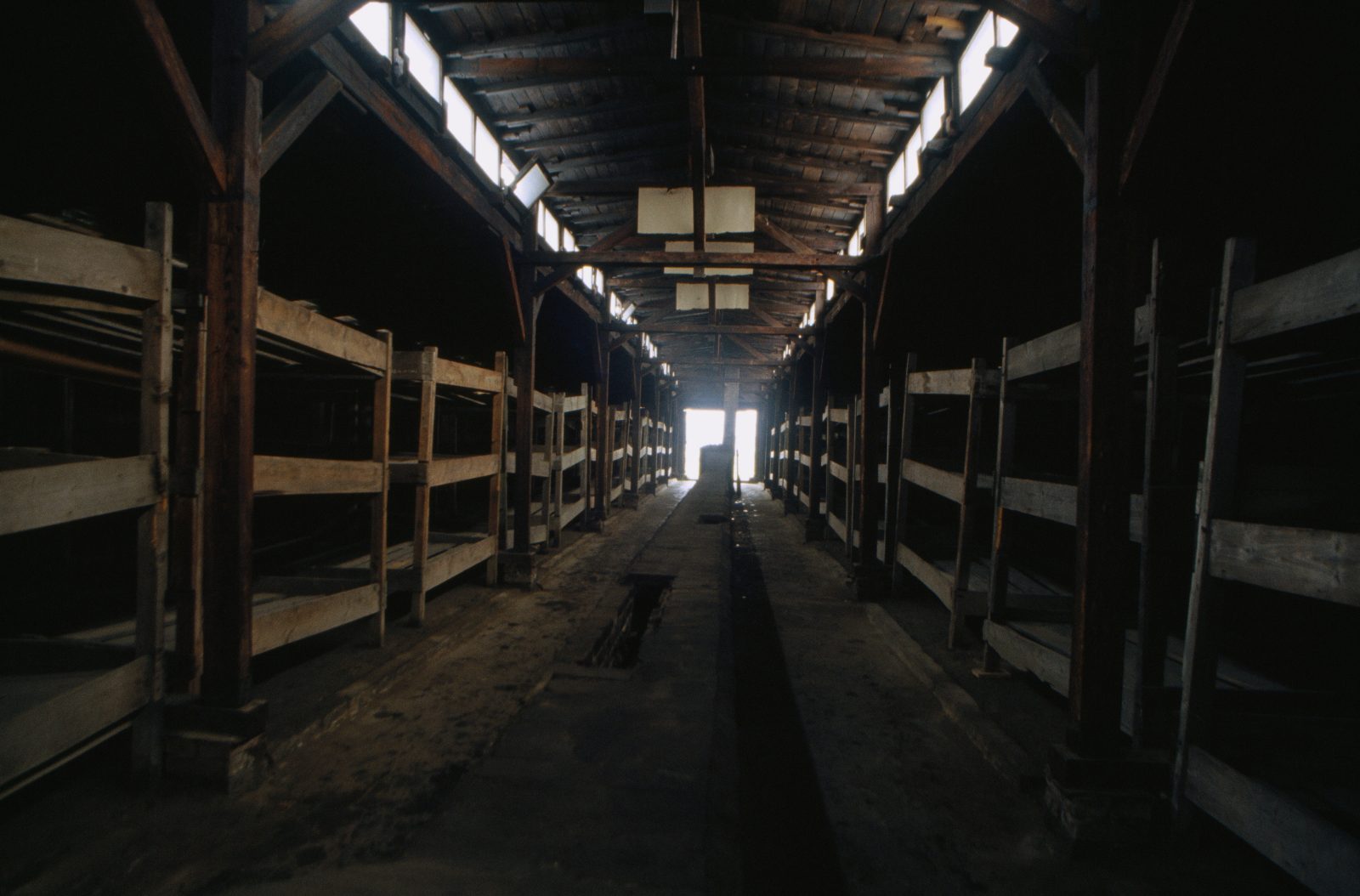
Two reconstructed barracks allow visitors to see the cramped living conditions. These structures highlight the daily survival struggle of inmates
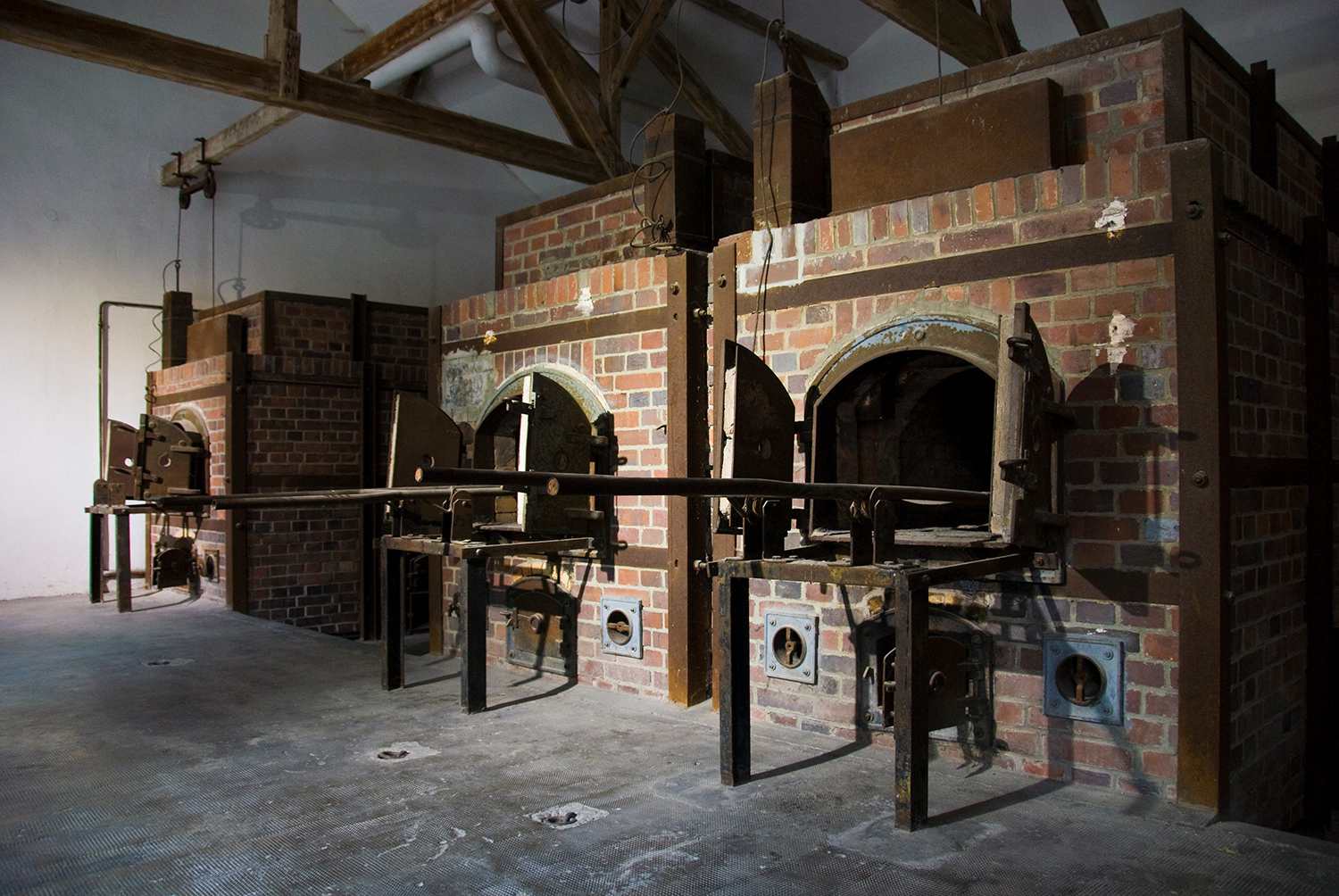
Located outside the prisoner camp, this site includes the gas chamber and ovens. It remains the most somber part of the memorial
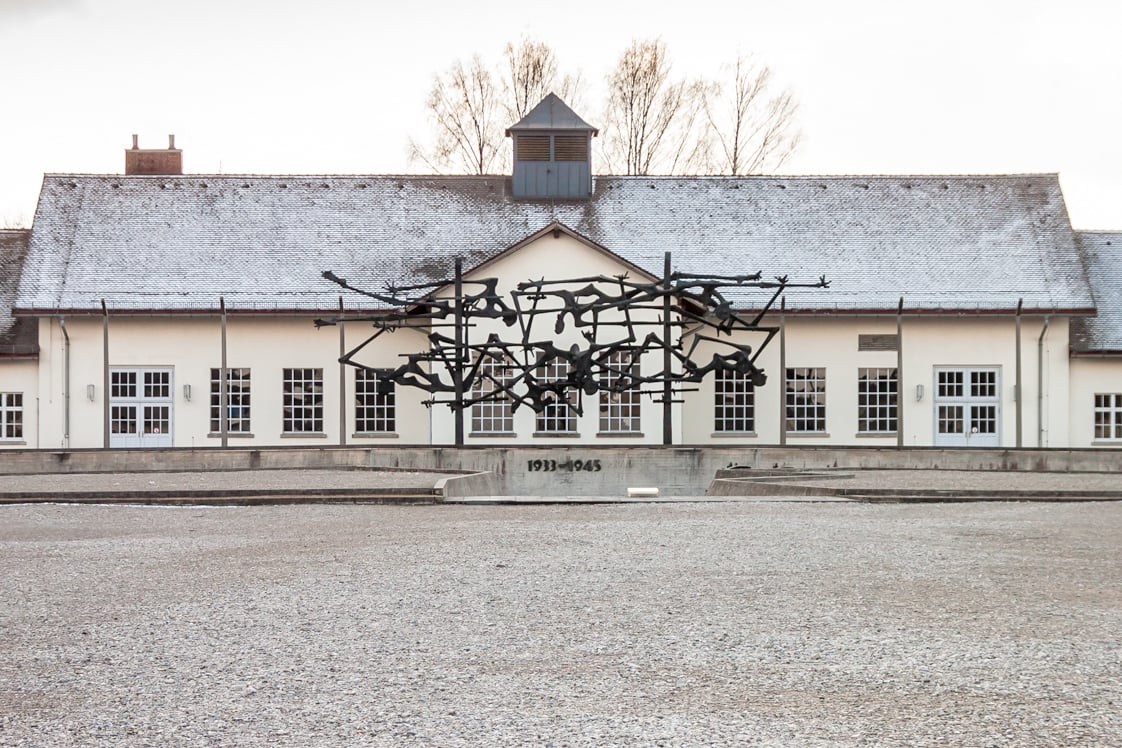
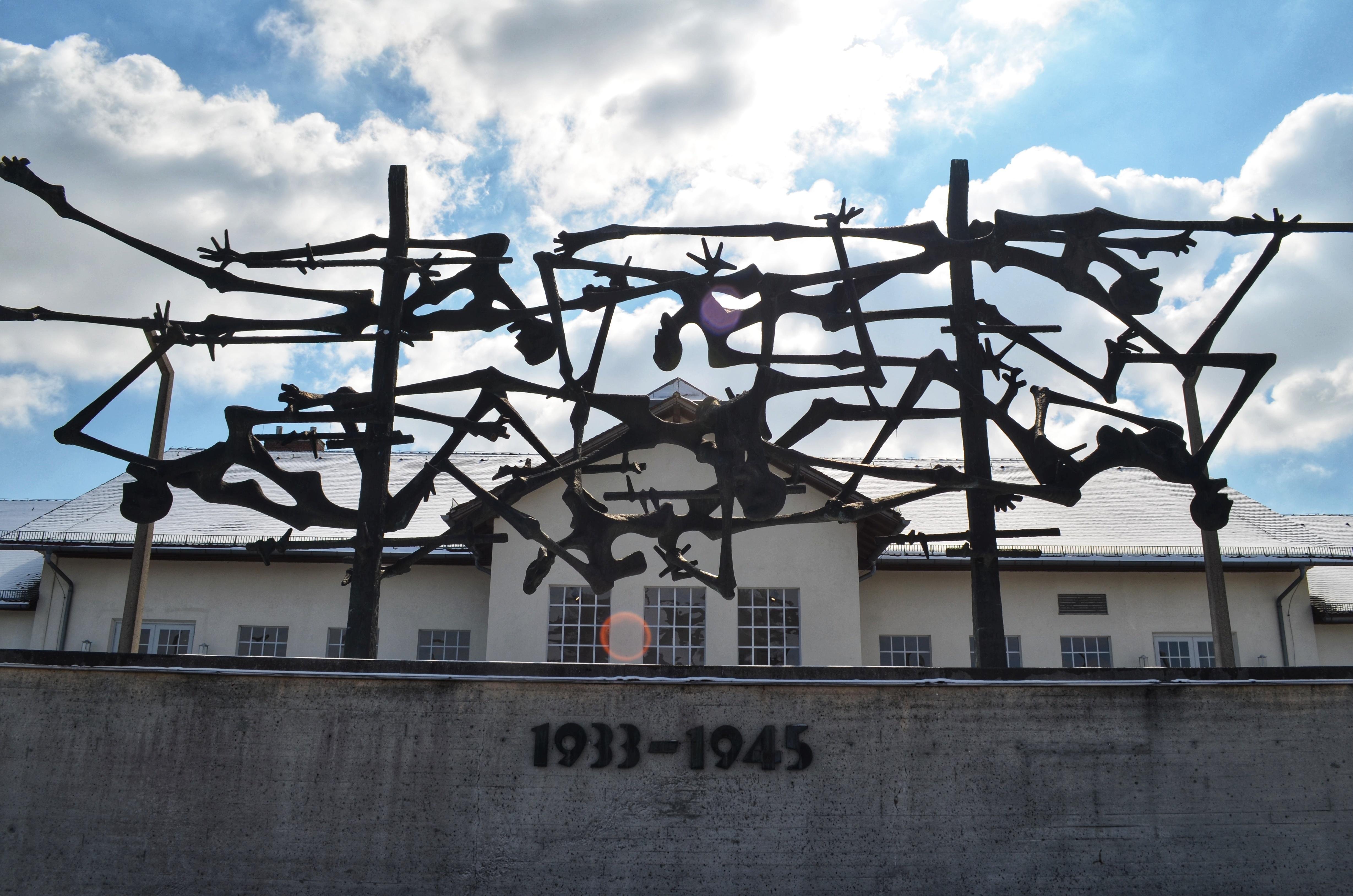
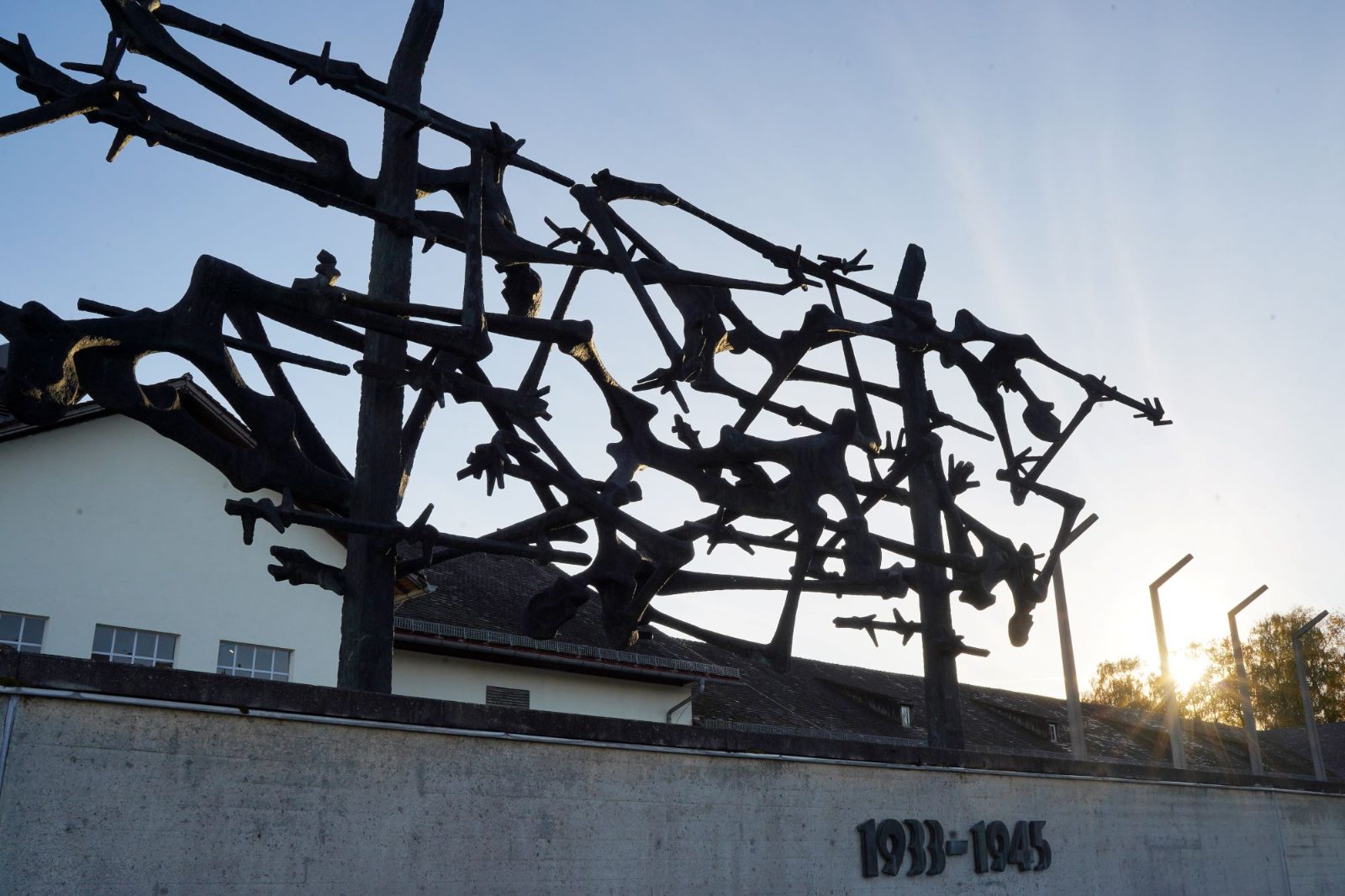
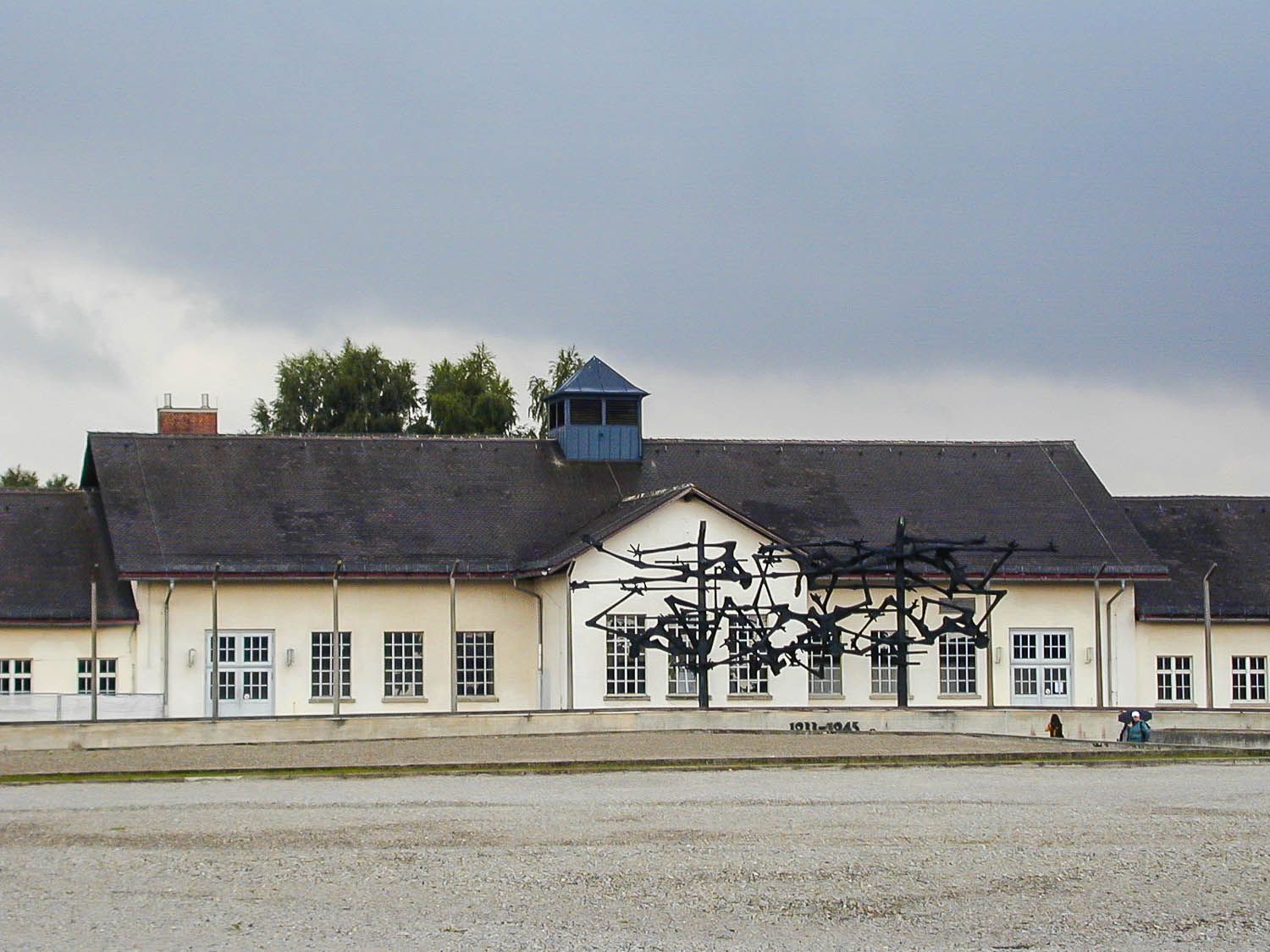
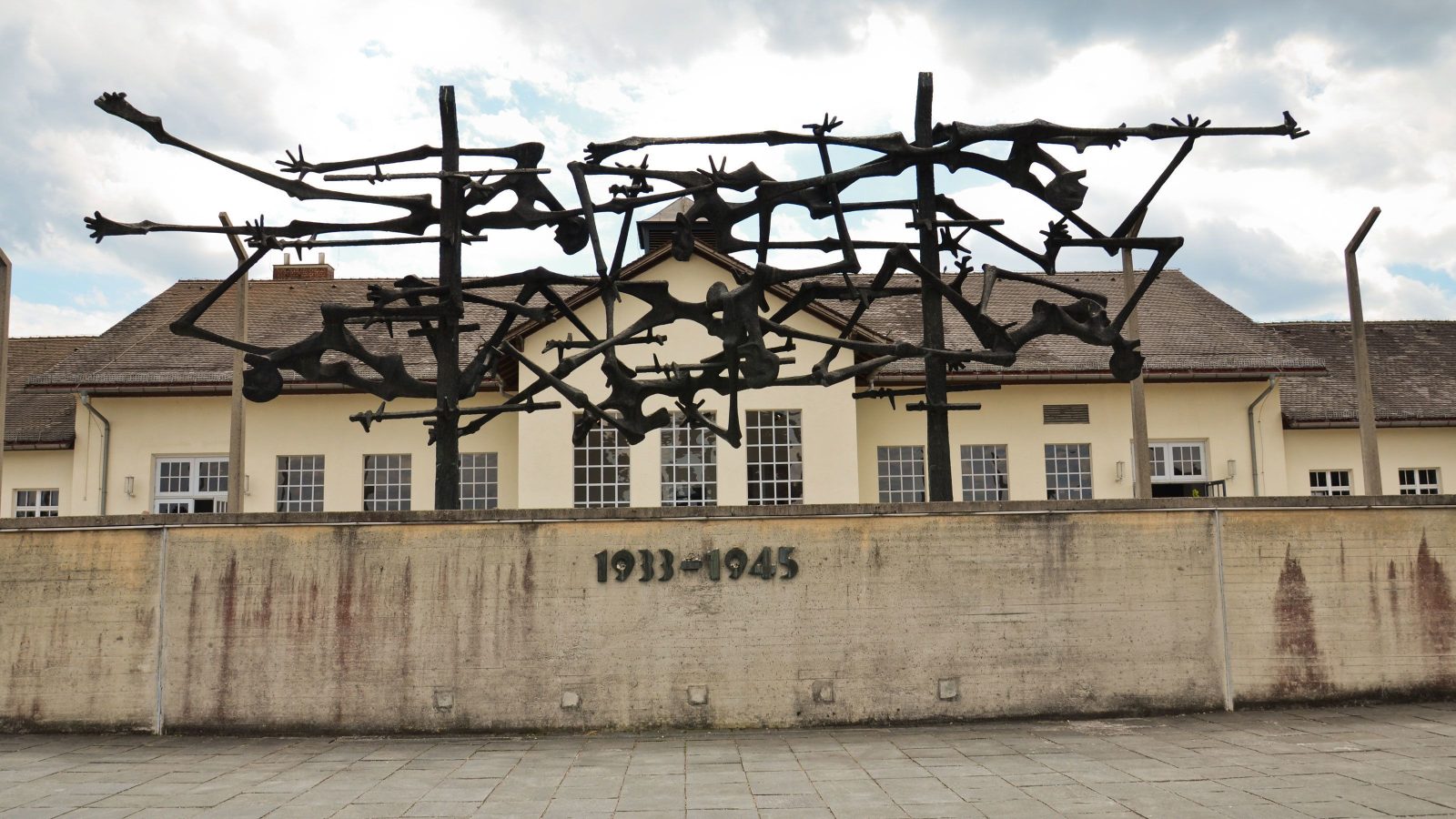
This moving sculpture symbolizes the suffering and survival of the victims. It stands as a focal point for remembrance
You depart central Munich mid-morning, traveling twenty-five minutes northwest by coach or train. Your historian meets you at the visitor center, a modern building set back from the historic compound.
You walk through the gatehouse together, pausing beneath the iron inscription to discuss its meaning in the camp's hierarchy of deception.
You cross the vast roll-call square, empty now but holding the memory of thousands standing in formation. Your guide explains the daily routine: wake at four, roll call at five-thirty, labor assignments, meager rations, evening count. You enter a reconstructed barracks. The wooden bunks rise in tiers. The washroom holds a row of metal basins. You stand in silence.
The museum rooms present photographs, uniforms, identity cards. Your guide identifies individual prisoners by name, traces their paths to Dachau, explains their fates. You move slowly through these galleries. Outside, you walk the perimeter path past national memorials. At the far end, the crematorium building stands apart. You choose whether to enter. Your guide waits. The return to Munich is quiet.
All the details about your upcoming adventure in one place
On March 22, 1933, barely fifty days after Adolf Hitler assumed power, the first transport of political prisoners arrived at a former munitions factory northwest of Munich.
Dachau became the prototype for the concentration camp system that would follow across occupied Europe, operating for twelve years until liberation by American forces on April 29, 1945. Over 200,000 prisoners from more than thirty nations passed through its gates. More than 41,500 died here.
The memorial site, established in 1965 on the initiative of survivors, preserves the camp's original gatehouse bearing the cynical inscription "Arbeit macht frei," the roll-call square where prisoners stood for hours in all weather, two reconstructed barracks showing the evolution from individual cells to triple-tiered wooden bunks that held eight men each, and the crematorium complex at the camp's western edge. The International Memorial in the former maintenance building displays prisoner art, correspondence, and identity documents. National memorials erected by survivor groups from seventeen countries line the perimeter.
A dachau concentration camp private tour with a trained historian provides necessary context for understanding the site's physical layout, the bureaucratic mechanisms of persecution, and individual acts of resistance documented in the archives. The gatehouse serves as the entry point. The museum occupies the former administrative buildings where SS officers managed the camp's operations. The bunker, or camp prison, held those accused of infractions or marked for interrogation. Beyond the reconstructed barracks, concrete foundations trace the locations of thirty additional barracks demolished after liberation. The path leads to the religious memorials—Catholic, Protestant, Jewish, Russian Orthodox—and finally to the crematorium, which visitors may choose to enter or bypass.
Guided experiences run as half-day departures from Munich or full-day immersions, with options in Spanish as well as English. The memorial site itself charges no entrance fee and opens daily from nine in the morning until five in the evening.

Over 200,000 prisoners from more than thirty nations passed through its gates between 1933 and 1945.
Visitors should dress respectfully for a memorial site. Ensure clothing is appropriate for an outdoor commemorative environment.
Large bags may be restricted due to security protocols at the Dachau Concentration Camp Memorial Site. Please carry only essentials during your visit.
Photography is permitted for personal, non-commercial use throughout the grounds. Respect the solemn nature of the site when capturing images.
The site is intended for mature audiences and those 14 years and older. Parental discretion is advised when bringing younger children to this historical memorial.
The Dachau Concentration Camp Memorial Site features paved paths suitable for wheelchairs. Accessible restrooms are located near the visitor center.
Food and drinks are not allowed inside the exhibition halls. Visitors may consume light snacks in designated areas outside the historical buildings.
Opening Hours
09:00–17:00
Address
Pater-Roth-Str. 2a, 85221 Dachau, Germany
Site Access
Wheelchair accessible pathways
Arrival
09:00–11:00 arrival window
Storage
Limited storage for large items
Site Map
Available at visitor center
Public transport · 45 min · Included in transport pass
Take S-Bahn line S2 to Dachau station then bus 726 to the memorial stop.
Car · 30 min · Parking fee applies
Follow signs for KZ-Gedenkstätte; parking is available on-site for a fee.
Full refunds are available for cancellations made within the designated window stipulated by your specific booking agreement. Entrance to the memorial site itself is 0 EUR (Free entry).
Recommended time
4-5 hours
A comprehensive dachau concentration camp private tour requires several hours to respectfully navigate the site, including the museum exhibitions, barracks, and the crematorium area. Arriving within the 09:00–11:00 window helps maintain a reflective pace before the afternoon crowds peak and the heat increases. Those seeking deeper engagement with the former prisoner camp should allow extra time to study the detailed archives and witness the various memorial markers in silence. Booking dachau concentration camp private tour tours provides expert context, though visitors should remain mindful that site congestion varies significantly throughout the day.
Crowd levels through the day
Weather · crowds · average price — dots go green to amber to red as each metric rises.
Mild temperatures make walking the grounds comfortable for a dachau concentration camp private tour.
Expect larger crowds and warmer weather, so plan your dachau concentration camp private tour for the 09:00–11:00 arrival window.
Cooler, crisp air provides a somber atmosphere suitable for reflecting during a dachau concentration camp private tour.
The site is quieter, though outdoor areas are very cold; dress in layers for your dachau concentration camp private tour.
Secure your dachau concentration camp private tour tickets well in advance to ensure availability.
The site is a place of mourning; maintain a quiet demeanor throughout your dachau concentration camp private tour.
Trains and buses are the most reliable way to reach the site for your dachau concentration camp private tour.
The memorial is mostly outdoors, so check weather forecasts before starting your dachau concentration camp private tour.
Take time to read the exhibition panels carefully during your dachau concentration camp private tour.
Pater-Roth-Str. 2a
Main gate for your dachau concentration camp private tour
Get directionsThe Dachau concentration camp opened on March 22, 1933, fewer than two months after Adolf Hitler became Chancellor. Established in the buildings of a disused munitions factory northwest of Munich, it served as the prototype for the entire concentration camp system. SS-Obergruppenführer Theodor Eicke became commandant in June 1933 and codified the regulations governing prisoner treatment, guard conduct, and punishment protocols that the regime replicated across occupied Europe. By 1937, the SS demolished the original factory structures and rebuilt the camp with purpose-designed barracks, administrative blocks, and a crematoria, creating the architectural model for later camps. Originally intended for political prisoners—communists, Social Democrats, trade unionists—Dachau's population expanded to include Jews, Roma, Jehovah's Witnesses, homosexual men, and so-called asocials after 1935. Following Kristallnacht in November 1938, more than 10,000 Jewish men arrived in a single wave. The camp became a training ground for SS Death's Head units and a center for medical experiments conducted without consent. Between 1933 and liberation on April 29, 1945, more than 200,000 prisoners passed through Dachau and its subcamps; at least 41,500 died from disease, malnutrition, executions, and forced labor. American troops of the 42nd and 45th Infantry Divisions found approximately 32,000 survivors. After the war, the U.S. Army used portions of the site to intern SS personnel and later as a refugee settlement. Bavarian authorities repurposed other sections for housing displaced persons and ethnic German expellees until 1965. Survivor organizations, led by the Comité International de Dachau, campaigned for a permanent memorial. On May 9, 1965, the Dachau Concentration Camp Memorial Site opened to the public with preserved structures including the gatehouse inscribed "Arbeit macht frei," the parade ground, two reconstructed barracks, and the crematoria. Today the memorial receives more than 900,000 visitors annually, serving as a pedagogical institution where those booking dachau concentration camp private tour tours confront primary evidence of Nazi terror. The site offers guided experiences in multiple languages, with documented dachau concentration camp private tour options emphasizing the historical narrative from imprisonment through liberation.
Dachau concentration camp opens as the first permanent camp of the Nazi regime.
SS rebuilds the camp with standardized barracks and crematoria, creating the architectural template for the system.
More than 10,000 Jewish men arrive following Kristallnacht pogroms.
Camp population swells to include prisoners from across occupied Europe; medical experiments conducted.
U.S. 42nd and 45th Infantry Divisions liberate Dachau, finding 32,000 survivors.
Site used by U.S. Army, then as refugee housing; survivor groups campaign for a memorial.
Dachau Concentration Camp Memorial Site officially opens to the public with preserved structures and exhibitions.
Stand directly in front of the wrought-iron gate at the main entrance to capture the infamous slogan from a low angle. This perspective emphasizes the historical weight of the structure against the sky.
Position yourself at the edge of the roll-call square to frame the vast, gravel-covered grounds leading toward the barracks. This vantage point provides a sense of the scale of the site during a dachau concentration camp private tour.
Capture the abstract bronze sculpture designed by Nandor Glid, focusing on the barbed wire motifs against the somber background. Use a wide-angle lens to include the surrounding plaza geometry in your dachau concentration camp private tour tour documentation.
Frame the long, symmetrical rows of the reconstructed housing blocks from the central path to highlight the repetitive architecture. This shot works best with natural lighting to capture the texture of the building facades as seen on many dachau concentration camp private tour tickets.
Focus on the solemn entrance to the barrack X area, ensuring the somber atmosphere of the memorial grounds is respected. This area requires careful composition to capture the quiet gravity of the site.
Planning a dachau concentration camp private tour requires careful consideration of the somber nature of this memorial site. It is important to prepare young visitors for the historical gravity they will encounter during their visit.
The memorial grounds are largely accessible for strollers, with paved paths throughout most of the site, though some areas have uneven gravel surfaces. You can request dachau concentration camp private tour tours that focus on accessibility to ensure a smoother experience for families with young children.
This site is most suitable for teenagers who have the maturity to process complex historical topics. We suggest reviewing the dachau concentration camp private tour tickets options to determine if your child is ready for the emotional content of this memorial.
Modern, clean baby-changing facilities are available in the visitor center near the entrance. Please ensure you have all necessary supplies, as the dachau concentration camp private tour tour itself does not offer these services once you move into the memorial areas.
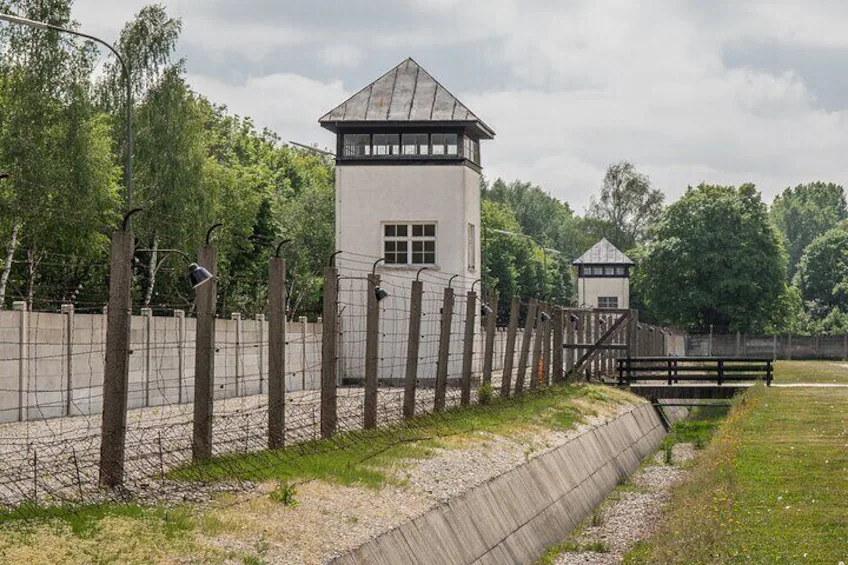
The grounds are expansive, requiring significant walking across the former prisoner camp and the main exhibition hall. We recommend planning a dachau concentration camp private tour to allow for frequent, quiet breaks to discuss the significance of the guard tower and the crematorium area with your children.
Visitors planning a dachau concentration camp private tour will find limited dining facilities within the memorial grounds, though the town of Dachau offers several quiet spots nearby. Since the site is a place of reflection, guests often prefer quick refreshments or simple meals before or after their Dachau landmarks visit.
Located directly within the memorial site, this kiosk provides basic snacks and beverages for a quick stop during your dachau concentration camp private tour tours.
A traditional Bavarian establishment situated a short distance away, ideal for a sit-down meal after finishing your dachau concentration camp private tour tour.
This local favorite in the town center is convenient for those who have secured their dachau concentration camp private tour tickets and need a light coffee or pastry beforehand.
Everything you need to know for your journey
The site is open daily from 09:00–17:00. These hours apply every day of the week.
Entrance to the Dachau Concentration Camp Memorial Site is 0 EUR, though a private tour service may carry its own booking fees.
Arrive between 09:00–11:00 to avoid mid-day heat and large crowds.
Large bags may be restricted; please check with your provider before starting your dachau concentration camp private tour.
Photography is permitted for personal use, provided you maintain respect for the memorial site.
The content is designed for ages 14 and up; parental discretion is recommended for your dachau concentration camp private tour.
You can reach the site via S-Bahn line S2 and bus 726.
Yes, the site features accessible pathways for visitors during their dachau concentration camp private tour.
Wear comfortable, modest clothing suitable for walking and the solemn nature of the memorial.
Book your dachau concentration camp private tour tickets through our official site or authorized booking portal.
Historic town center featuring traditional Bavarian architecture.
Former residence of Bavarian dukes with expansive gardens.
Historic church located in the heart of Dachau town.
Convenient lodging near the memorial grounds.
Wide selection of high-end hotels and suites.
Local family-run stays in the surrounding area.
Join thousands of happy travelers who have discovered this incredible experience
Book Your Experience Now